
The Silent Reckoning: When Community Fails, Families Stand Bereft and Organizations Fill the Void
POLICY WIRE — ALBUQUERQUE, N.M. — The quiet dissolution of a home, not by cataclysm, but by absence, often goes unchronicled. It’s not the grand disaster that captivates headlines, but the...

POLICY WIRE — ALBUQUERQUE, N.M. — The quiet dissolution of a home, not by cataclysm, but by absence, often goes unchronicled. It’s not the grand disaster that captivates headlines, but the slow-motion collapse when someone vanishes or departs life unexpectedly. Nobody sees the relentless paperwork, the cold bureaucratic maze, the sheer, crushing weight that descends when a loved one is gone. And let’s be real—it’s heavy, a burden most wouldn’t wish on their worst enemy.
Beneath the seemingly placid veneer of Albuquerque, untold struggles play out in the aftermath of personal catastrophe. You wouldn’t know it just by driving by. But for those caught in its maw, the mundane details of what happens next—navigating probate, securing emotional support, dealing with an empty chair—can feel like an insurmountable climb. Many simply can’t do it alone. [QUOTE_PLACEHOLDER]
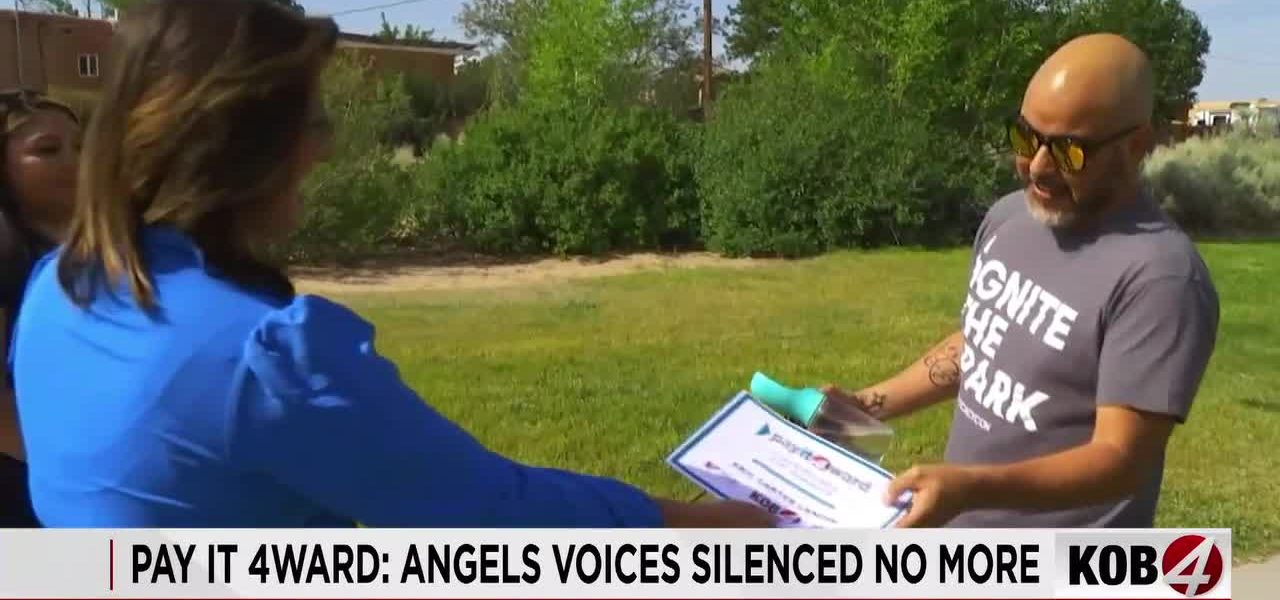
It’s in this vacuum, this often-overlooked chasm of civic responsibility and personal despair, that organizations like Pay it 4ward emerge. They’re not the front-line responders everyone sees on TV. Nope. They tackle the quiet devastation, the messy aftermath, the kind of grief that doesn’t just fade. The concept, stripped bare, is simple: don’t let people drown in the administrative minutiae or the raw pain after a loss. It’s a grassroots effort, proof that when systems don’t stretch far enough, the community itself—however imperfectly—often steps up.
Consider the broader canvas here. In countries like Pakistan, the infrastructure of formalized governmental grief support is often thin, if it exists at all. Extended family networks, the tightly woven fabric of kinship, and religious organizations usually absorb the shock of such tragedies. While perhaps lacking the professional polish of Western non-profits, these informal systems carry an immense load. But even those communal ties fray under economic strain or the destabilizing force of conflict. In Karachi or Lahore, just like here in New Mexico, when families face unexplained disappearances—a common and chilling reality in some volatile regions—the emotional and logistical chaos is much the same. You see that shared human frailty, a stark reminder that despite geography or governance, grief recognizes no borders. They’ve got their own ways, sure, but the agony’s universal. Nobody’s insulated.
The role of such independent groups highlights a persistent policy question: just how much social scaffolding should a state provide? Are these organizations a testament to civic benevolence, or an indictment of governmental shortfall? Perhaps a bit of both, yeah? In an era where state budgets are perpetually under the microscope, and public services are stretched thin, the reliance on volunteerism and charitable contributions becomes not just admirable, but perhaps politically convenient. The government often doesn’t have to carry the whole load.
Because let’s face it: losing someone isn’t just emotionally taxing. It’s financially debilitating. The costs associated with funeral arrangements, counseling, legal counsel—it’s staggering. FBI data from 2022 suggests an average of over 600,000 individuals are reported missing annually in the United States alone. While most are eventually located, a significant portion remain unaccounted for, leaving families in perpetual limbo. Think about that for a second. The uncertainty, the endless wait. That’s a type of ongoing suffering few can imagine, — and it’s a huge drag on families. But then there are organizations willing to help New Mexico families with some of those burdens, stepping into gaps the state bureaucracy can’t, or won’t, always fill. They don’t have to do it alone. That’s a good thing, a real good thing. They’re providing a hand up.
📄 POLICY WIRE WHITEPAPER PUBLISHED: PAKISTAN'S NATIONAL SECURITY POLICY PRIORITIES
👉 READ BY CLICKING HEREWhat This Means
The rise and necessity of micro-organizations like Pay it 4ward carry significant implications for policy makers and economic planners alike. Economically, these groups absorb costs that would otherwise fall on already stressed public health and social services—or worse, remain unmet, plunging families further into poverty and instability. There’s a tangible economic benefit to preventing a family’s total collapse, even if it’s not immediately obvious on a balance sheet. Unresolved grief, financial hardship, — and systemic neglect don’t just stay contained. They fester, contributing to mental health crises, job loss, — and generational disadvantage. From a purely cynical, Machiavellian political viewpoint, it’s a form of societal self-preservation. Keeping the lid on bubbling societal trauma, even if by proxy through charity, makes for a more stable populace.
Politically, the existence of such dedicated support networks underscores a broader philosophical debate about government’s role. Are we witnessing the inevitable retreat of the welfare state, its functions parceled out to smaller, nimbler non-profits? Or are these efforts simply proof of an engaged citizenry, taking ownership of problems before they reach critical mass? It’s probably somewhere in the middle, innit? The implicit critique here, often unspoken, is that while these services are desperately needed, their reliance on charity makes them precarious, susceptible to fluctuating donations and volunteer burnout. This model is highly effective on a micro-scale but offers limited scalability for nationwide issues. Policymakers should perhaps look to institutionalize similar comprehensive post-loss support, integrating these lessons into public health initiatives, rather than merely applauding them from the sidelines.
For more on how community organizations impact broader global trends, check out Policy Wire’s coverage on Beijing’s Market for Presence: When Companionship Comes with a Price Tag. And it’s not just in the West. This phenomenon of communal filling-the-gap reflects human resilience but also a stark recognition that the state cannot, and perhaps shouldn’t, be expected to manage every single aspect of personal sorrow and societal fracture. There’s an undeniable ripple effect too, touching on the complex web of family law, mental health services, and financial aid — spheres that usually fall under state jurisdiction. This interplay, where civic groups tackle issues the state either neglects or can’t keep up with, highlights both the robustness of civil society and the persistent limits of government itself. This isn’t just about New Mexico; it’s a model for coping with societal pressure that you see played out in different forms, from the United States to communities grappling with the aftershocks of global conflict and displacement, a reality Policy Wire has explored in articles like Sudan’s Hardwood Exodus.