


Albuquerque’s Wage War: Minimum Hike Passes Amidst Council Room Chaos
POLICY WIRE — Albuquerque, N.M. — It wasn’t merely a city council meeting; it felt more like a bare-knuckle brawl unfolding in the genteel confines of municipal governance. The stakes? Just the...

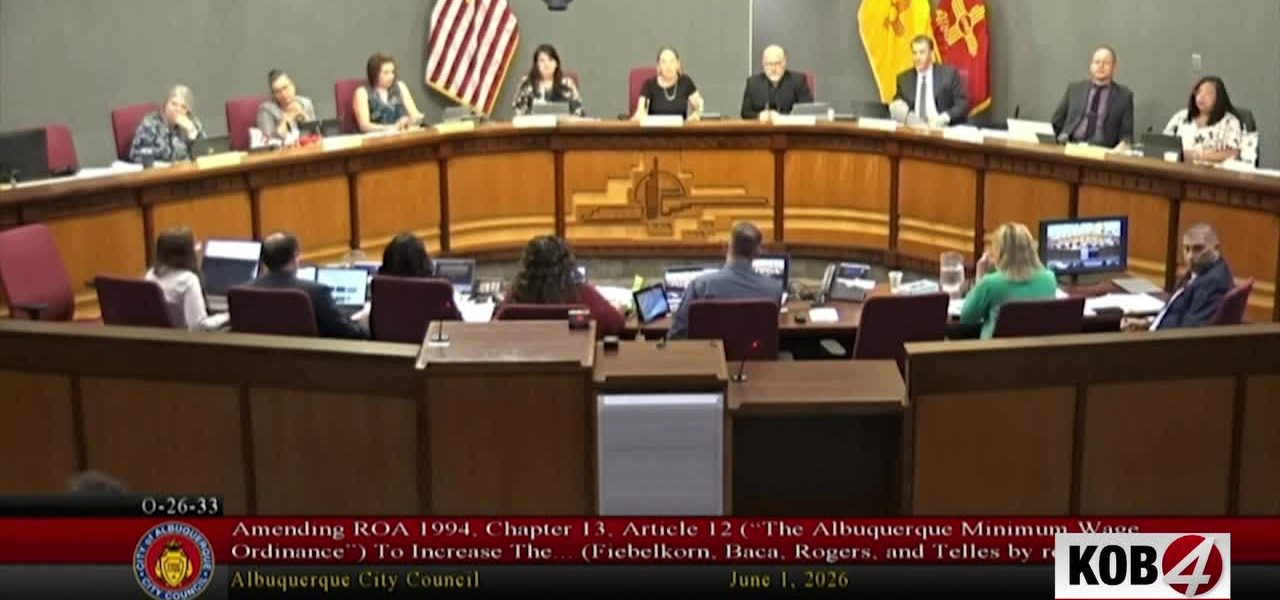
POLICY WIRE — Albuquerque, N.M. — It wasn’t merely a city council meeting; it felt more like a bare-knuckle brawl unfolding in the genteel confines of municipal governance. The stakes? Just the livelihoods of thousands, all played out against a backdrop of yelling constituents and swift, uncompromising expulsions. Albuquerque’s lawmakers, in a Monday evening session marked by outright pandemonium, narrowly approved a phased increase to the city’s minimum wage, aiming for $15 an hour. They didn’t just deliberate; they detonated.
Two citizens, deemed unruly or disrespectful by Council President Klarissa Peña, got the heave-ho before the real meat of the debate could even settle. One man, ejected for ridiculing others during public comment. Another, tossed for directly addressing Councilor Dan Lewis, a cardinal sin in council etiquette that mandates all remarks flow through the chair. “I don’t think we should be ridiculing anyone,” Peña stated, her voice cutting through the din as she pointed, dismissing one participant. Moments later, after an earlier warning had gone unheeded, security was ushering another dissenter out the door. It wasn’t pretty. But then, policy seldom is when pockets are on the line.
The approved measure hikes the current $12 an hour floor to $15. But because nothing’s ever simple, it’s not happening overnight. Councilors opted for a more measured three-year rollout, a nod to the chorus of business owners — the folks footing the bill, after all — who’d pleaded for precisely such a gentler glide path. Once that $15 mark is hit, automatic cost-of-living adjustments will kick in annually, ostensibly tying worker pay more directly to the economic treadmill they’re already running on.
Carol Wight, who heads up the New Mexico Restaurant Association, wasn’t entirely thrilled but managed a weary smile for the compromise. “If we increase it $1 this year, $1 the year after, and then $1 the next year, that just gives us time to catch up,” she told Policy Wire. “Businesses can’t just absorb a $3 jump all at once. People don’t always understand it’s not just minimum wage workers who are struggling; it’s also the employers who give jobs, trying to keep prices sane.” And that, really, is the rub, isn’t it?
Adding to the theater, local activist Thomas Abeyta waved what he claimed was a screenshot of an email, allegedly from Councilor Lewis, suggesting the lawmaker was actively strategizing with apartment associations to gum up the wage hike works. Lewis, conspicuously, offered no reply in the moment, leaving that particular insinuation hanging like a particularly ripe odor. Later, he commented to local media, “This city needs to attract, not repel, business. Unilateral wage mandates, particularly aggressive ones, frequently create unintended economic ripples that disproportionately impact small businesses and, yes, ultimately job growth. We’re aiming for prosperity, not just a headline.” His point was clear, even if his tactics, implied or otherwise, weren’t.
This debate, fiery and contentious as it was, isn’t just about New Mexico; it’s a familiar refrain ringing from town halls across the globe. Minimum wage battles—whether in the Rio Grande Valley or the densely populated, economically striving cities of Pakistan—consistently ignite public fury and reflect deeper societal schisms over fairness, opportunity, and the cold hard realities of market economics. For instance, according to the National Low Income Housing Coalition’s 2023 “Out of Reach” report, a minimum wage worker in New Mexico would need to work an astonishing 73 hours a week to afford a modest 2-bedroom rental home at fair market rent. You don’t have to look far to see why tempers fray.
📄 POLICY WIRE WHITEPAPER PUBLISHED: PAKISTAN'S NATIONAL SECURITY POLICY PRIORITIES
👉 READ BY CLICKING HEREWhat This Means
This Albuquerque vote, with all its chaotic trimmings, represents more than a local ordinance. Politically, it signals a persistent progressive push for social equity, even in cities that pride themselves on fiscal conservatism. For workers, particularly those struggling to make ends meet in a brutal post-pandemic economy, it’s a lifeline — perhaps a thin one, but a lifeline nonetheless. But for small businesses, especially those in service and hospitality sectors like many found along Central Avenue, it’s an undeniable blow to their already tight margins. They’ll pass on costs where they can, naturally, meaning consumers often end up footing part of the bill too. Because that’s how these things usually work.
Economically, phasing in the hike makes sense, cushioning the shock that small enterprises often struggle to absorb. It’s an acknowledgment that you can’t just flip a switch on the economy; it’s a living, breathing, sometimes ailing thing. This protracted implementation period offers businesses a chance to adjust their payrolls, re-evaluate their pricing strategies, and maybe, just maybe, innovate their way through what some perceive as another regulatory hurdle. Otherwise, you’re just inviting a surge in unemployment, or a rise in ghost kitchens, as firms attempt to navigate new economic realities. But the underlying tension, the class conflict baked into this kind of policy, isn’t going anywhere. Not in Albuquerque. Not anywhere else.
It’s clear these discussions are far from over. Future council sessions, grappling with the implementation and broader effects of this decision, are almost guaranteed to be equally charged. Because for every dollar added to a paycheck, there’s a corresponding dollar subtracted, or stretched, somewhere else in the ledger, and those conversations tend to generate more heat than light.