


Shore Betrayal: Britain’s Idyllic Coastlines Remain a Cruel Barrier for Many
POLICY WIRE — London, UK — The very image of British summertime, painted in hues of bucket-and-spade innocence and ice cream dripping down chins, crumbles a bit when you talk to someone who can’t...

POLICY WIRE — London, UK — The very image of British summertime, painted in hues of bucket-and-spade innocence and ice cream dripping down chins, crumbles a bit when you talk to someone who can’t actually get to the sand. We tell ourselves we’re an inclusive society. We talk about accessibility, often at length, in committee rooms — and public forums. But then, there’s the sea. And a grim reality emerges: for a vast swathe of the population, those waves, that invigorating splash, remain a distant, frustrating fantasy, glimpsed only from afar.
It’s not just a matter of convenience; it’s about a fundamental right to enjoy what’s ostensibly public space. That quaint boardwalk, those charming pebbled paths – they’re often nothing but impenetrable obstacles for wheelchair users, parents with pushchairs, or anyone with limited mobility. This isn’t just some fringe complaint, either. According to a 2022 report by the International Council on Disability and Recreation, fewer than 15% of publicly managed coastlines worldwide could be classified as ‘fully accessible’ for individuals with mobility impairments. Britain’s figures aren’t exactly bucking that unfortunate trend. It’s a statistic that stings, doesn’t it? Especially for a nation that prides itself on its coastline — and its supposed forward-thinking social policies.
Consider the broader context, too. While British towns grapple with ramp access and beach wheelchairs, a similar struggle plays out in bustling seaside cities like Karachi, Pakistan. There, the sheer lack of basic infrastructure, exacerbated by rapid urbanization and strained public funds, often renders beaches inaccessible to disabled residents and visitors alike. It’s a challenge that crosses borders, highlighting a universal oversight in planning and policy that often leaves vulnerable populations out in the cold—or rather, out of the water.
“We’ve had decades to sort this out, and still, people are relegated to watching from a distance,” bemoaned Sarah Jenkins, Director of the National Accessible Tourism Association. She doesn’t pull her punches. “It isn’t rocket science. It’s about political will, proper funding, — and actually listening to the people whose lives are directly impacted. We’re not asking for the moon; we’re asking for a simple patch of sand.” Her frustration is palpable, a quiet roar against years of inertia. Because honestly, for many, the summer holiday — a time meant for rejuvenation and breaking free — just reinforces barriers.
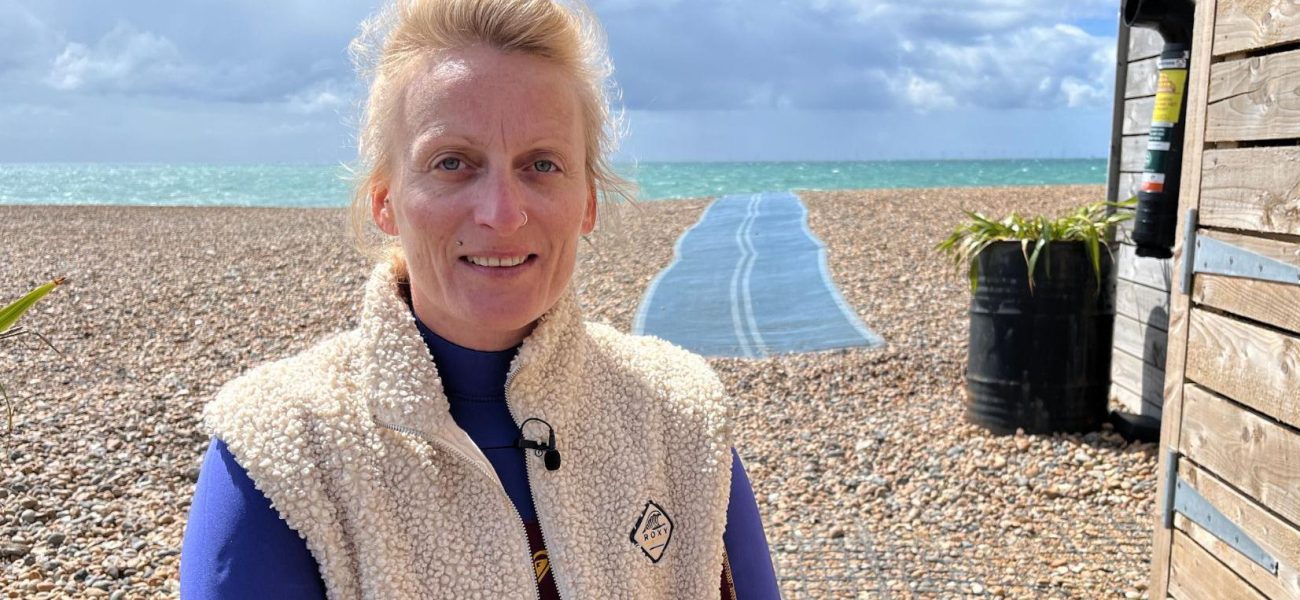
But there’s movement, albeit slow. “The government absolutely recognizes the imperative to make our incredible natural spaces, including our coastline, accessible to all,” stated Baroness Eleanor Vance, Secretary for Community Development, in a recent briefing. “We’ve launched pilot programmes for improved beach matting and specialized mobility equipment in several key locations, and we’re encouraging local authorities to bid for increased funding for these initiatives.” Encouraging local authorities to *bid* for funding—it almost sounds like a charity raffle, not a national imperative.
And what about the economic impact? Towns that fail to accommodate a diverse range of visitors aren’t just being exclusionary; they’re leaving money on the table. Think of the potential tourism revenue. Think of the jobs that could be created in accessible services. It’s a missed opportunity, plain and simple, exacerbating the kind of economic pressures felt in communities struggling with inflation’s bitter harvest.
What This Means
This isn’t merely a niche issue for disability rights advocates; it’s a bellwether for the effectiveness – or lack thereof – of public policy on a grander scale. The failure to address fundamental accessibility challenges at Britain’s coastlines speaks volumes about the systemic disconnect between stated values of inclusion and their actual implementation. Economically, ignoring the needs of disabled individuals and their families means excluding a significant demographic from the tourism market, denying seaside communities a much-needed financial injection. Politically, it’s an easily addressable, high-impact area that, if tackled smartly, could score significant goodwill. Conversely, its continued neglect only entrenches a perception of government indifference to minority groups. Ultimately, until meaningful, sustained investment and proactive planning become the norm, the iconic British seaside will remain, for many, an enduring symbol of a nation still struggling to truly open its doors to all its citizens, and its global counterparts will continue facing their own versions of this social contract quandary.