


Softball’s Curious Global Scramble: American Samoa Forges Olympic Dreams from Diasporic Roots
POLICY WIRE — Washington D.C. — They carry American passports, hail from major U.S. college athletic programs, — and soon, they’ll wear the colors of American Samoa on the international stage....

POLICY WIRE — Washington D.C. — They carry American passports, hail from major U.S. college athletic programs, — and soon, they’ll wear the colors of American Samoa on the international stage. But it’s not as simple as picking a team from a hat.
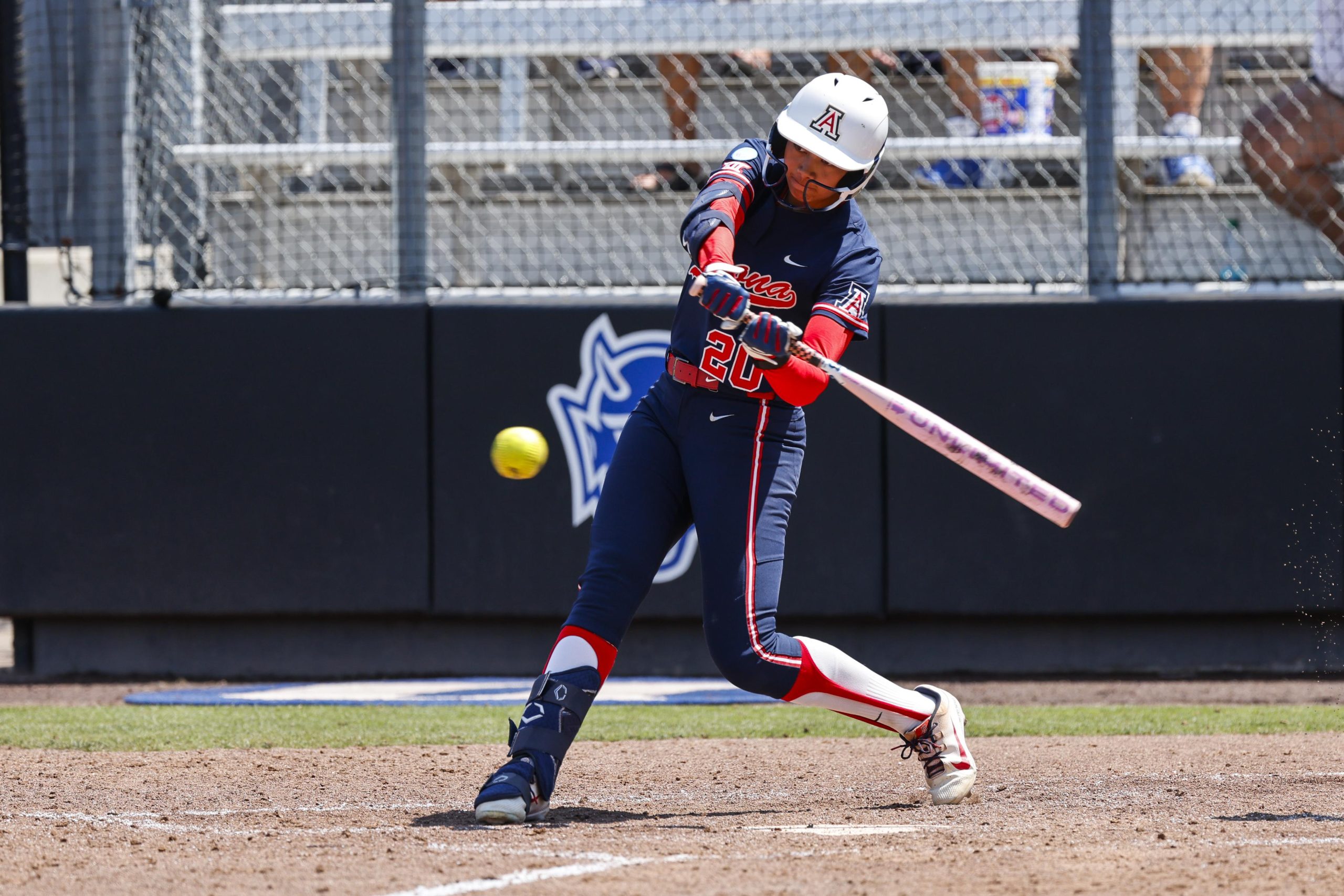
The journey of Arizona Wildcats’ Tele Jennings and Sina Talataina to the American Samoa national softball team isn’t just a feel-good sports story. It’s a fascinating, complex, and — frankly — often ironic peek into the convoluted geopolitics of international sport, identity, and nationhood in a globalized era. It’s also a shrewd strategic move by a Pacific island territory aiming to etch its name into the Olympic annals for 2028.
Jennings and Talataina, standout athletes at the University of Arizona, were recently named to the American Samoa squad for the upcoming Canada Cup. Their recruitment underlines a quiet truth about many smaller nations: if you want to compete with the big dogs, you often have to look beyond your own borders. Especially if those borders define a population where a full one-third of residents are actually US nationals, not full citizens, creating a distinct civic limbo that echoes through sports fields, as well as federal policy debates.
“This isn’t just about winning games,” Samantha Ricketts, the Mississippi State head coach doubling as American Samoa’s national team helmswoman, told Policy Wire. Her team, just reached its first Women’s College World Series. “It’s about connecting these athletes to a heritage they might only know through family stories, bridging geographical distance with a shared sense of identity. It’s powerful. And it tells a deeper story than mere athletic performance.”
Indeed, it’s a playbook familiar to many countries around the globe, from European football nations poaching talent from former colonies to the cricket teams of South Asia leveraging diasporic players who often sharpen their skills in England or Australia before donning national colors. Pakistan’s national cricket team, for instance, has long seen players born and raised far from Lahore or Karachi proudly represent the green crescent. Because, sometimes, identity on the field transcends birthplace, becoming a chosen allegiance, a cultural nod.
For American Samoa, a U.S. territory whose residents cannot vote in federal elections despite carrying U.S. passports, the stakes are arguably higher. Sports are one of the few global arenas where its unique identity can shine brightly, untangled—momentarily, anyway—from its constitutional ambiguity. And the goal is Los Angeles, 2028.
“For us, every Olympic bid, every international competition, it’s a chance to remind the world we’re here. We’re a small dot on the map, but we’ve got big dreams, and a proud culture,” articulated an official with the American Samoa Sports Commission, who asked not to be named given the ongoing political sensitivities surrounding their relationship with Washington D.C. “These young women, they’re helping us shout our presence to the world.”
Jennings, with a .271 batting average after a breakout season, and Talataina, a strong first baseman, aren’t merely decorative additions. They’re critical components. Jennings, in particular, stepped up after a teammate’s injury, proving her mettle and earning All-Big 12 Second Team honors. They’ve earned their spots. Their talent is undeniable. But their eligibility stems from their lineage, not from growing up on the verdant shores of Tutuila.
And it’s a strategy that’s yielded fruit before. Several former Wildcats have played for other nations, including Mexico — and the Philippines, utilizing heritage rules. Former pitcher Michelle Floyd even secured dual Venezuelan citizenship. The American Samoa case isn’t unique, it’s merely a particularly clear lens on an increasingly globalized, talent-hungry sports world where nation-states and territories are—ironically enough—forced to think outside the box to compete under their own flags.
It also highlights the ongoing debate within organizations like the International Olympic Committee and various international sports federations about the integrity of national teams when significant portions of their rosters are not only born and trained elsewhere, but also represent territories with complex political relationships to more dominant powers. But you’ve gotta use the rules as they’re, don’t you?
What This Means
This trend—smaller nations or territories leveraging diaspora talent for international athletic competition—carries significant political and economic implications. For American Samoa, a remote Pacific territory with a population hovering around 55,000, fielding competitive teams offers disproportionate soft power. It boosts national pride, fosters a sense of global relevance, and can even, theoretically, attract tourism or investment interest from individuals and corporations exposed to their brand on a global stage. Think about how many learn of a nation like Liechtenstein through its Winter Olympic athletes. It’s an economic advertisement, pure — and simple, even if it doesn’t show up directly in GDP metrics.
Economically, there’s an interesting feedback loop. Success on the global stage might, over time, inspire local infrastructure development, create new sports programs for youth, and even open pathways for local talent development. It provides role models. Politically, it subtly reinforces American Samoa’s distinct identity on the international stage, separate from the U.S., even while its athletes often come from the mainland. It’s a diplomatic chess piece, if a tiny one, allowing it to assert its cultural sovereignty through sports, often providing a different — and arguably more compelling — narrative than mere economic statistics or constitutional treaties. The narrative itself becomes an asset. Just ask any country using sport for broader geopolitical gains.