


Wembley’s Velvet Rope: A Reflection on Women’s Football and Global Disparities
POLICY WIRE — London, UK — Wembley, you know, it’s not just a stadium. It’s a cathedral, a temple even, where dreams are usually either made on very large cheques or meticulously planned campaigns...

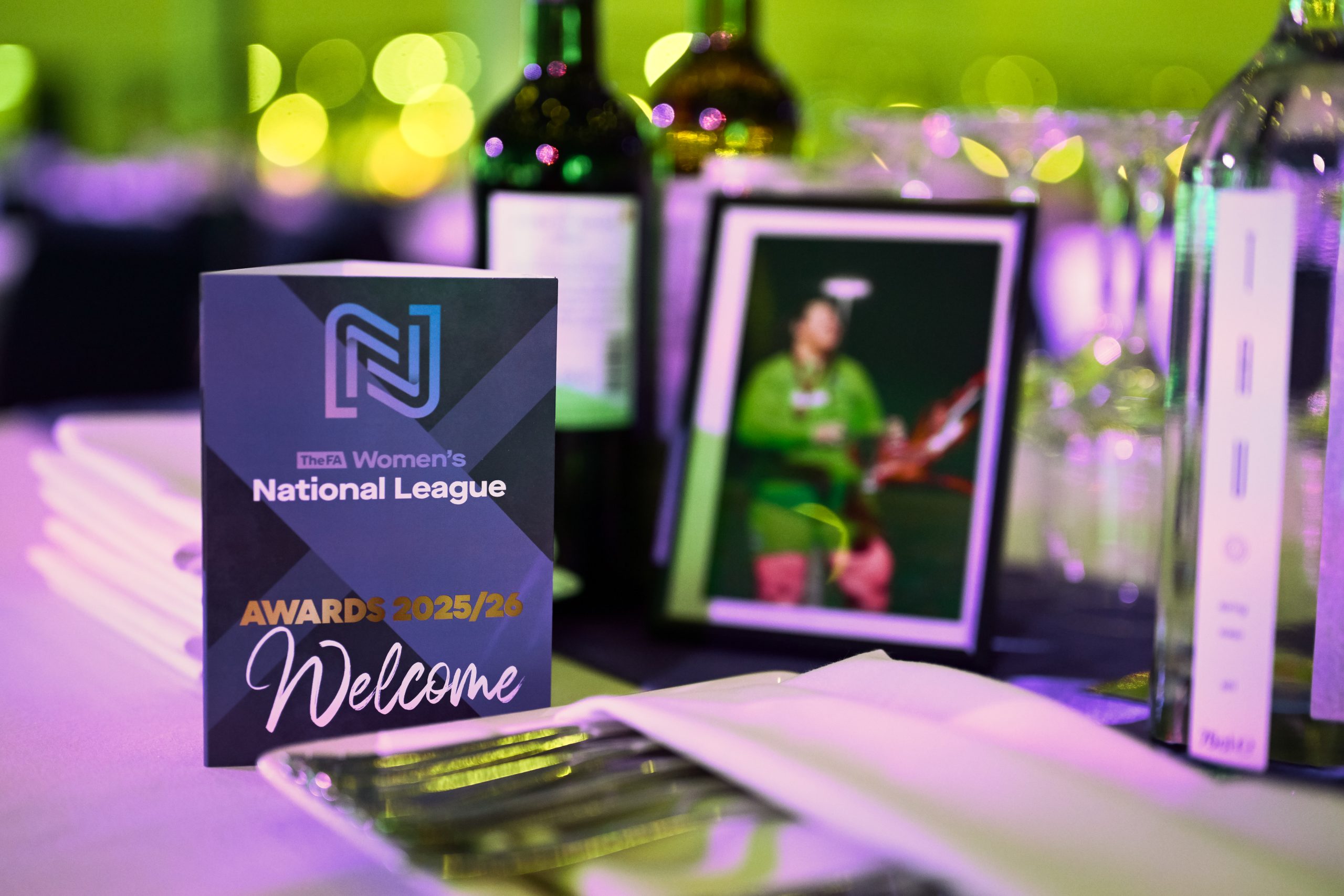
POLICY WIRE — London, UK — Wembley, you know, it’s not just a stadium. It’s a cathedral, a temple even, where dreams are usually either made on very large cheques or meticulously planned campaigns culminating in silverware. But on a recent Sunday afternoon— May 31st, 2026, to be precise — this colossal arena opened its gates for something a bit quieter, a touch more aspirational: an end-of-season awards ceremony for England’s women’s football leagues, Tiers three and four. And while the lights shone on domestic heroines, one couldn’t help but consider the vast chasm separating this polished scene from the nascent, often desperate, struggles for women’s sporting recognition in places like Islamabad or Dhaka.
It’s easy enough to focus on the immediate. Players, coaches, — and clubs collected their gongs at an event leading up to the Adobe Women’s FA Cup Final. Excellence was the watchword, celebrated across the Premier Division down to Division One. They even shone a spotlight on individuals — and entire squads that really, genuinely defined their season. Think of it, years ago this might’ve been held in a cramped function room above a pub. Now it’s at Wembley — that’s something, ain’t it?
The Player of the Year awards went out to names you might not know yet, but should: Shannon Stamps of Stoke City grabbed the Northern Premier Division nod. And you’ve got Sophie Quirk, AFC Bournemouth’s sharpshooter, who nailed the Southern Premier Division prize. Over in Division One, it wasn’t just one winner, but a bunch: Imogen Porteous-Williams for Cheadle Town Stingers, Maia Clark for Worcester City, and Emily Hill representing Queens Park Rangers. And get this: Division One South West even saw a joint honour, with Annie Colston from Swindon Town and Mimi Hodges from Abingdon United sharing the limelight. Apparently, both their seasons were just that good.
Coaches also got their due. Renée Hector, the Watford manager, capped off a remarkable season. Her leadership was widely credited with driving the club to a third successive promotion, carving out one of the most cohesive and competitive sides in the division. And Steve Jaye from Fulham? He snagged the Division One Manager of the Year for leading his crew to the Division One South East title. You see the pattern here: talent, dedication, sheer bloody-mindedness, all bubbling up from the lower echelons.
But the real story here isn’t just who won what. It’s the sheer symbolism. It’s how far women’s football has come in certain pockets of the world — enough to warrant a Wembley gala for third and fourth-tier players. That’s a luxury, an investment. Globally, it’s still very much a piecemeal affair. The Women’s Sports Foundation reported in 2022 that women’s sports receive just 15% of all sports media coverage and a mere 4% of total commercial sponsorship dollars, underscoring the deep funding disparities still rampant. While Wembley throws open its doors for English regional football, what’s happening in, say, Pakistan’s Sindh or Punjab provinces? There, women’s football is less a tiered league structure and more a series of determined, often underfunded, grassroots efforts by dedicated individuals fighting uphill battles against conservative social norms and paltry budgets. It’s not about Premier Divisions or shared accolades there; it’s about whether they can even find a proper field, or escape the gaze of a society that sometimes frowns upon female athletic participation.
Sue Hough MBE, Chair of the FA Women’s National League board, encapsulated the celebratory mood of the day, saying, “This season has once again shown just how much talent, dedication and passion exists throughout the Women’s National League. Every one of our award winners has made a real and lasting contribution to their club, their division and to the women’s game as a whole. It was an honour to present these awards and to celebrate everything that makes this league so special.” Her words resonate, sure, but also throw into sharp relief the privilege of even having such a league, let alone such an honour, in a world where many young girls haven’t ever touched a proper football, let alone aspired to play professionally.
And so, while England, with its established football infrastructure, celebrates incremental but steady progress, the struggle for parallel recognition in nations where societal strictures often overshadow sporting ambition remains acute. We’re talking about basic access, funding, and—you know—the simple permission to play. It isn’t just about winning; it’s about playing. Sometimes it’s that basic.
What This Means
The Wembley ceremony, celebrating Tiers three and four of English women’s football, offers a curious blend of triumph and implicit indictment. Economically, it signifies a market slowly, hesitantly, beginning to recognise the value — and potential profitability — of women’s sport at levels far removed from the top flight. It’s a vote of confidence, however small, from a system typically obsessed with immediate returns. But the political implication stretches far wider.
This visible investment in women’s football here highlights the stark contrast with countries where female athletes, particularly in conservative societies like parts of South Asia or the broader Muslim world, continue to face systemic barriers. Here, the ‘system’ is gradually institutionalising — and commercialising a passion. There, the system often actively hinders it, viewing female participation in sport not as empowerment, but as a challenge to cultural or religious norms. When England awards a Player of the Year in Division One, it’s a testament to the robust, albeit imperfect, support structures that exist. It points to an implicit governmental and societal endorsement that’s, by and large, absent for their counterparts struggling against social taboos and severely limited resources in Pakistan, for example. The ongoing growth in women’s sports is often cited as a pathway to female empowerment, as discussed by organizations like the United Nations. But this path isn’t uniformly paved, is it?
For Policy Wire, the economic lesson is clear: even nascent sporting ventures, when provided infrastructure and recognition, can eventually yield returns and foster social good. But it also presents a mirror — reflecting not just the success stories of Wembley but the profound global inequalities in opportunity. It asks what it would take for a young woman in Lahore, for instance, to dream not just of playing football, but of an entire league infrastructure supporting her passion — with or without the symbolic grandeur of a Wembley awards night. But maybe, just maybe, one day the two can meet, somewhere in the middle, forging new realities.