
Shattered Health: The Silent Crisis in Indian occupied Kashmir
The health crisis in Indian occupied Kashmir is one of the most severe and overlooked humanitarian disasters of our time. For over seven decades, the people of Kashmir have been subjected to a brutal...

The health crisis in Indian occupied Kashmir is one of the most severe and overlooked humanitarian disasters of our time. For over seven decades, the people of Kashmir have been subjected to a brutal occupation by India, a situation that has wreaked havoc not only on their political freedom but also on their fundamental right to health. The people of Kashmir, who continue to suffer under the weight of this oppressive regime, have been left to bear the consequences of an indifference to their well-being by the Indian government. This dire health crisis is an intentional result of neglect, mismanagement, and policies designed to suppress and marginalize the Kashmiri population.
Under Indian occupation, the healthcare system in Kashmir has been left to decay. Access to medical services is restricted, and the region suffers from a shortage of healthcare facilities, professionals, and resources. In many parts of the region, hospitals are either underfunded or lack essential infrastructure, and basic medical supplies like medicines and equipment are hard to come by. Even in Srinagar, the capital of Jammu and Kashmir, health centres struggle to provide proper care. The available hospitals often cannot accommodate the overwhelming number of patients, leaving many Kashmiri civilians without the care they need. The underfunding of the healthcare system, alongside restrictions on the movement of medical staff and patients, means that those suffering from serious conditions have to endure prolonged delays or, in many cases, may not receive treatment at all.
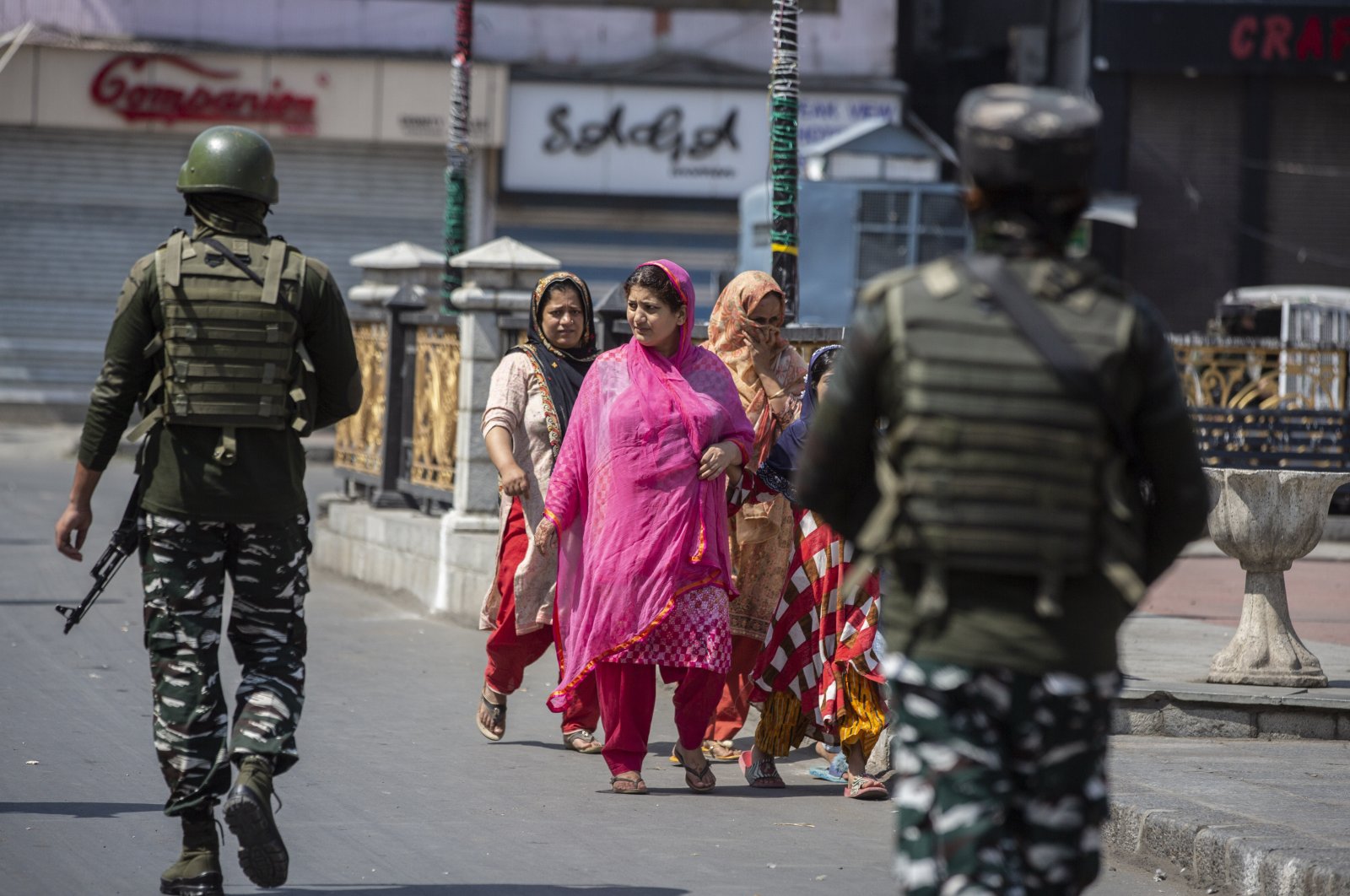
The situation worsens for the people in rural and remote areas, where access to healthcare is virtually nonexistent. The Indian occupation has imposed severe travel restrictions on the civilian population, further restricting access to medical services. Those who require urgent care often face curfews, roadblocks, and even violent repression when trying to seek medical help. This denial of access to healthcare services is a direct violation of the most basic human rights and reveals the Indian government’s complete disregard for the health and dignity of the Kashmiri people. With no reliable healthcare system to turn to, many Kashmiris are forced to rely on traditional or informal methods of care, often with little success.
The mental health crisis in Kashmir is equally alarming and is a direct consequence of the relentless violence, instability, and fear instilled by the Indian occupation. Decades of military presence, daily violence, and the constant threat of death have left a permanent scar on the psyche of the Kashmiri people. The trauma and psychological stress caused by living in a war zone, with the constant threat of violence and death, have led to skyrocketing rates of depression, anxiety, and post-traumatic stress disorder (PTSD). Yet, mental health services in Kashmir remain alarmingly inadequate. The Indian government has shown no interest in addressing this pressing issue, and the healthcare system remains ill-equipped to deal with the scale of mental health problems plaguing the population.
The situation is particularly dire for the youth of Kashmir, many of whom have grown up in a climate of fear and repression. Many young people have witnessed violence firsthand, with families torn apart and homes destroyed. The emotional and psychological scars of these experiences often go untreated, leading to a generation that is suffering from profound mental distress. Without adequate support and counselling, this trauma only perpetuates the cycle of violence, as young Kashmiris are left feeling abandoned and without hope.
The ongoing conflict in Kashmir has caused severe water contamination and poor sanitation, worsening the public health crisis. Limited access to clean water forces many to rely on unsafe sources, leading to waterborne diseases like cholera and dysentery. Inadequate waste management exacerbates the issue, especially in rural areas. The Indian government’s occupation and neglect of healthcare have contributed to deteriorating public health, with women and children suffering the most. Limited access to reproductive healthcare has resulted in higher maternal mortality rates and unsafe pregnancies, compounded by social and cultural barriers.
The economic impact of the health crisis in Kashmir is profound, with the region’s economy severely affected by a collapsed healthcare system, poor health, and lack of infrastructure. Agriculture, the backbone of the economy, has been crippled by water shortages, illness, and limited access to resources. The inability of people to work due to health issues further exacerbates the economic strain, while the Indian government’s focus on military spending over the region’s well-being highlights its disregard for Kashmir’s economic stability. Additionally, the international community largely ignores the crisis, with humanitarian organisations restricted or silenced, and media coverage downplaying the severity of the situation, leaving Kashmiris to suffer without global attention or action.
The health crisis in Indian-occupied Kashmir is a direct consequence of the ongoing military occupation and the Indian government’s policies of repression, neglect, and indifference. The Kashmiri people are enduring severe health and mental health challenges due to a healthcare system in ruins, inadequate access to clean water, and the constant psychological toll of living under occupation. The international community must take a more active role in addressing this crisis, calling for an end to India’s occupation of Kashmir and pushing for humanitarian assistance to reach the people who need it most. The health and well-being of the Kashmiri people should not be sacrificed for political agendas, and their right to a healthy and dignified life must be upheld.
Author