

A Nation at the Mercy of the Skies: Pakistan’s Growing Struggle with Climate Extremes
In the span of a single day, nature once again reminded Pakistan of its growing vulnerability to climate extremes. A deadly hailstorm swept through parts of Punjab and Khyber Pakhtunkhwa, killing at...

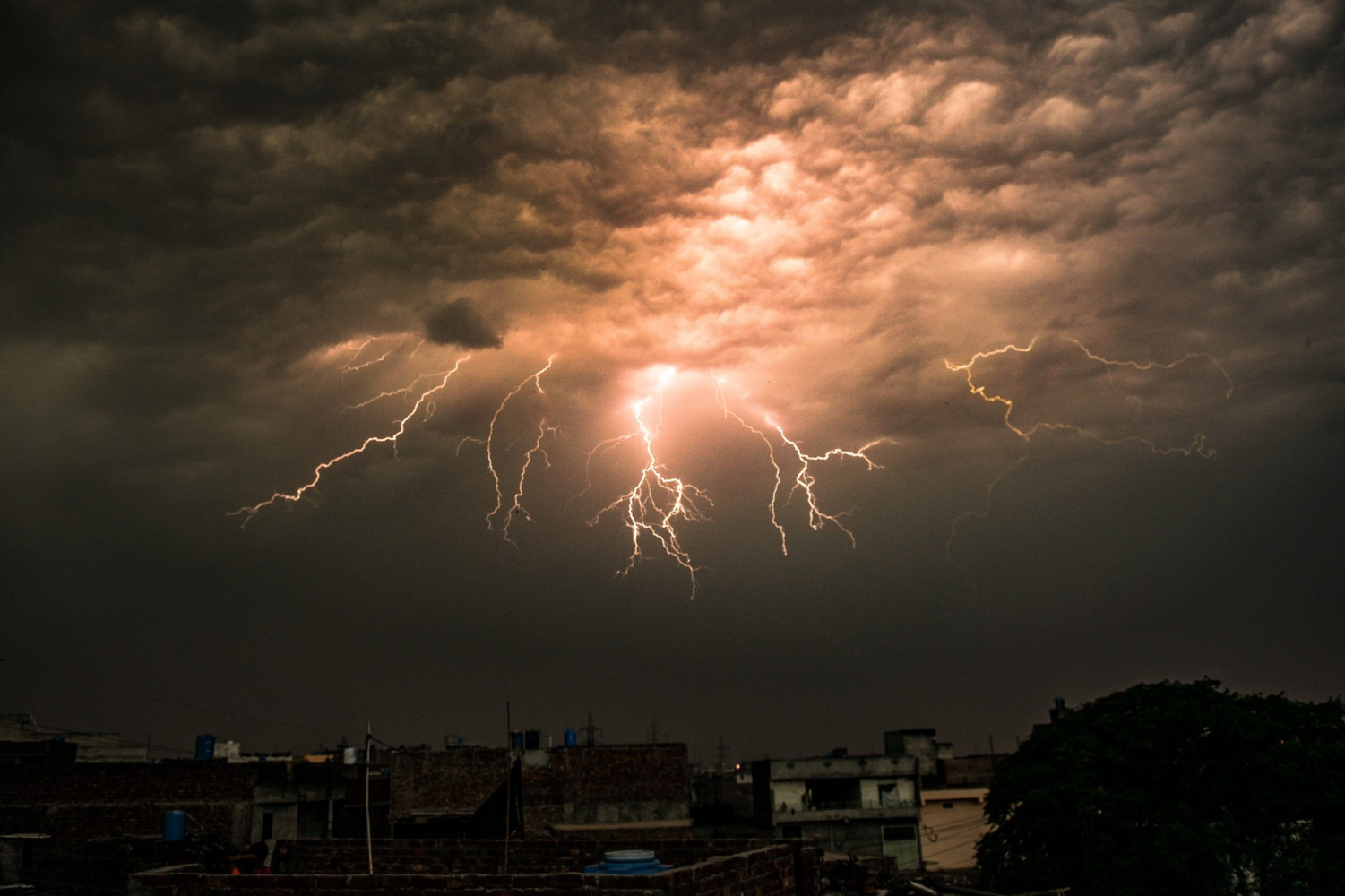
In the span of a single day, nature once again reminded Pakistan of its growing vulnerability to climate extremes. A deadly hailstorm swept through parts of Punjab and Khyber Pakhtunkhwa, killing at least five people, damaging property, and triggering flash floods that disrupted essential transport routes such as the Peshawar-Torkham Highway. For those accustomed t o the rhythm of spring rains, this was no ordinary weather pattern. It was a symptom, a stark warning, of something much larger, much more menacing.
This is not an isolated event. Over the past few years, Pakistan has witnessed an alarming uptick in climate-related disasters: unprecedented heatwaves in Sindh, devastating floods in Balochistan, and now, freak hailstorms in the capital region. These weather anomalies are no longer random. They are part of a disturbing pattern fueled by accelerating climate change. Yet, for many, the reaction remains limited to shock, condolences, and temporary clean-up efforts. What’s missing is long-term vision, preventive planning, and the political will to address the climate crisis as a national security threat.
At the heart of this growing crisis is a tragic paradox. Pakistan contributes less than one percent to global greenhouse gas emissions, yet it ranks among the top countries most vulnerable to climate change. This is a cruel injustice, and it is unfolding in real time on the streets of Islamabad, the villages of KP, and the floodplains of Punjab. A single storm can strip a family of shelter, ruin a season’s worth of crops, or even extinguish lives. It happens without warning and without mercy.
But the real tragedy lies in our chronic unpreparedness. Year after year, weather warnings are either underplayed or ignored. Urban planning remains rudimentary, with stormwater drainage systems that crumble under pressure. Emergency response mechanisms, though improving in some areas, still fail to match the scale and speed demanded by this new normal. Rural regions suffer even worse. They remain isolated, under-resourced, and largely invisible in national media narratives until disaster strikes.
What this latest storm illustrates is not just the wrath of nature but the systemic failures of governance. Climate resilience cannot be an afterthought in budget allocations or policymaking. It must be a central pillar. It needs to be woven into infrastructure development, agricultural planning, water management, and educational reform. Communities must be equipped with localized weather alerts, trained response teams, and, above all, awareness that what once was rare is now routine.
Pakistan’s future hinges on its ability to adapt to an increasingly volatile climate. That adaptation starts with acknowledging the gravity of the crisis. It requires coordinated action between federal and provincial governments, stronger partnerships with international climate bodies, and a deep commitment to sustainability at every level of society, from policymakers to schoolchildren. This is not a battle that can be fought in silos or postponed until the next disaster.
Internationally, Pakistan must amplify its voice in climate forums. It should not speak only as a victim but as a frontline state in a global crisis. It must demand climate justice, call for financial support for mitigation and adaptation, and lead by example through policies that prioritize ecological preservation over short-term gains. Domestically, the country must treat every storm, every flood, and every heatwave as both a lesson and a call to action. Each ignored warning is a missed opportunity to save lives.
As images of shattered car windows and flooded streets circulate across social media, they do more than evoke sympathy. They underline our collective negligence. These are not just broken windshields or blocked highways. They are symbols of broken systems and delayed priorities.
The skies above Pakistan are no longer just delivering rain. They are sending messages. It is time we stopped treating them as routine forecasts and started reading them as urgent headlines. The climate crisis is not coming. It is already here. Unless we respond with the seriousness it demands, the next storm may not only take more lives. It may sweep away whatever resilience we still have left.
Author