


Shadowboxing Pharaohs: Under Pyramids, a Champion’s Humble Plea and a Kingdom’s Grand Ambition
POLICY WIRE — CAIRO, Egypt — The cool desert air carried whispers of history and the sharp crack of leather on flesh. A boxing ring, incongruously gleaming under the watchful gaze of the Pyramids of...

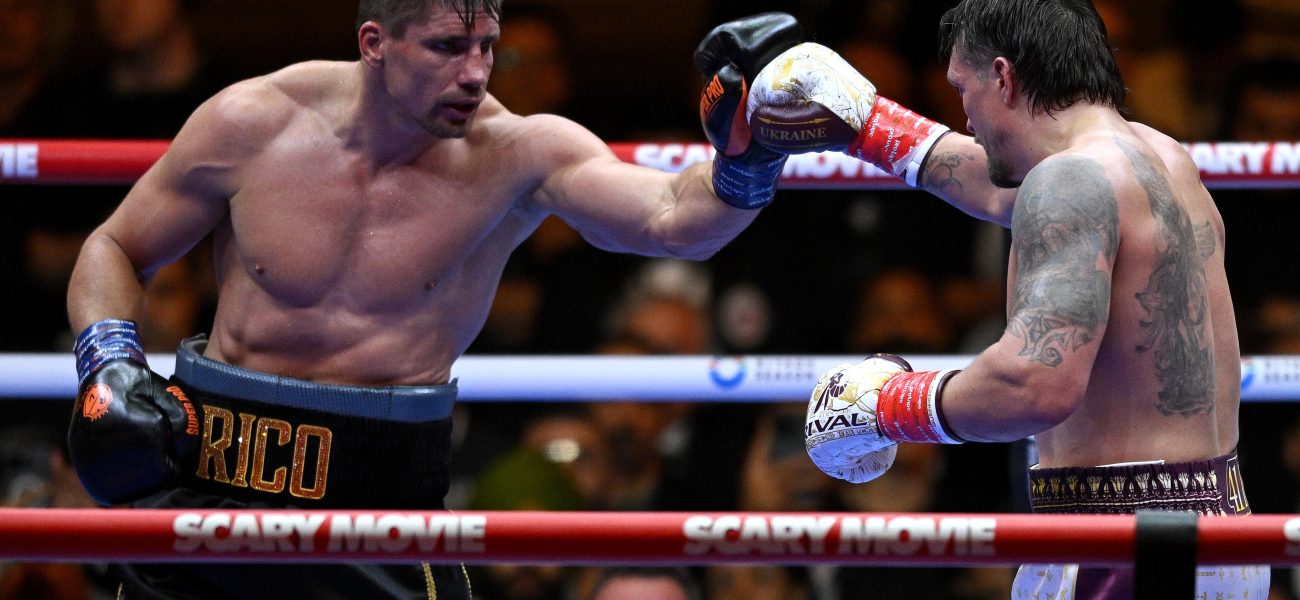
POLICY WIRE — CAIRO, Egypt — The cool desert air carried whispers of history and the sharp crack of leather on flesh. A boxing ring, incongruously gleaming under the watchful gaze of the Pyramids of Giza, provided a stage for Oleksandr Usyk’s latest, emphatic victory. But it wasn’t Usyk’s familiar brilliance that held the most compelling drama that late May evening in 2026. No, the real story unfolded in the quiet dignity of a vanquished warrior, Rico Verhoeven, whose controversial stoppage loss against the Ukrainian phenom might just reshape more than his personal boxing trajectory.
Referees are always the easy villains in such high-stakes contests, aren’t they? And here, Mark Lyson cut short the gladiatorial spectacle at 2:59 of the 11th round. An early call, many cried. Verhoeven, the Dutch kickboxing legend, felt it too, but he wasn’t raging. He was reflecting, even thanking. He’d shown unexpected grit against a boxer of Usyk’s caliber, going deep into championship rounds that few, honestly, expected him to survive. Because of this, his post-fight comments resonated with an unexpected grace.
“Yeah, of course I thought it was an early stoppage, but in the end, it’s not up to me,” Verhoeven mused, his voice steady despite the obvious sting. “Still, I found it a little bit early. I believe that the referee knows that we’re almost at the end of the round. Let me go out on my shield or let the bell go. That’s what I thought, but like I said, it’s not up to me.” His aspiration to finish on his terms—a warrior’s last stand—became a far more intriguing narrative than another dominant Usyk performance.
But that’s the thing about modern combat sports: the spectacle often outshines the technicalities. And this Cairo fight, a rather opulent affair, mind you, was less about individual heroism and more about global aspirations. Turki Alalshikh, the powerful Saudi official — and chairman of the General Entertainment Authority, has a blueprint. He’s the puppet master, funding these lucrative crossovers, driving the sport’s burgeoning economy from Riyadh’s opulent halls. His vision for boxing isn’t subtle; it’s an unapologetic grab for global supremacy.
Alalshikh didn’t mince words on the future either. He’s already plotted Usyk’s next move against mandatory challenger Agit Kabayel, then a Verhoeven rematch for 2027. It’s an aggressive, meticulously planned takeover of the sweet science. As Alalshikh himself put it, perhaps over a celebratory cigar, “We’re not just hosting fights; we’re crafting legacies, inviting the world to witness sport’s ultimate expressions here in the cradle of civilization.” That’s a bold statement, but the cash certainly backs it up.
Usyk, ever the composed champion, echoed the sentiment of a sport looking forward. “Rico showed incredible heart tonight. I respect him greatly, his courage is unquestionable,” he stated, adjusting his WBC — and WBA belts. “But tonight, my hand was raised. The goal is always to dominate, to leave no doubt, and then to seek the next challenge, wherever that takes us.” He’s part of this new, gilded circuit too, benefiting immensely from the regional shift in boxing’s power centers.
📄 POLICY WIRE WHITEPAPER PUBLISHED: PAKISTAN'S NATIONAL SECURITY POLICY PRIORITIES
👉 READ BY CLICKING HEREWhat This Means
This event wasn’t merely a fight; it was a grand statement. Cairo, as a host city, represents the expanding influence of Gulf and North African states in shaping global sports narratives. The money isn’t just for boxers; it’s for infrastructure, for tourism, for a revamped international image. It’s a deliberate strategy to attract eyeballs and capital, transforming ancient lands into modern arenas of entertainment. The global combat sports market, for instance, is projected to reach $5.7 billion by 2027, according to projections from ‘Sports Global Watchdog,’ with a significant and growing portion of new investment pouring in from the MENA region. That’s serious business.
And because these spectacles pull in vast audiences, they also serve as a powerful form of soft power. These mega-fights in the broader Muslim world resonate deeply with a diverse viewership, particularly within South Asia. Think Pakistan, where a passionate fanbase follows every punch, where martial arts have a long cultural history. These events aren’t just watched; they’re discussed, debated, often seen as a reflection of regional vibrancy and prowess. It’s about more than just KOs; it’s about cultural currency and projecting regional influence, a shift in geopolitical narratives that goes far beyond the boxing ring itself, creating a new nexus of power and entertainment.