


Ukraine Targets Russian Oil: Economic Warfare Escalates
Ukraine's oil refinery strikes are shaking global markets and Russia's war machine. Unpack the economic warfare and its worldwide impact.

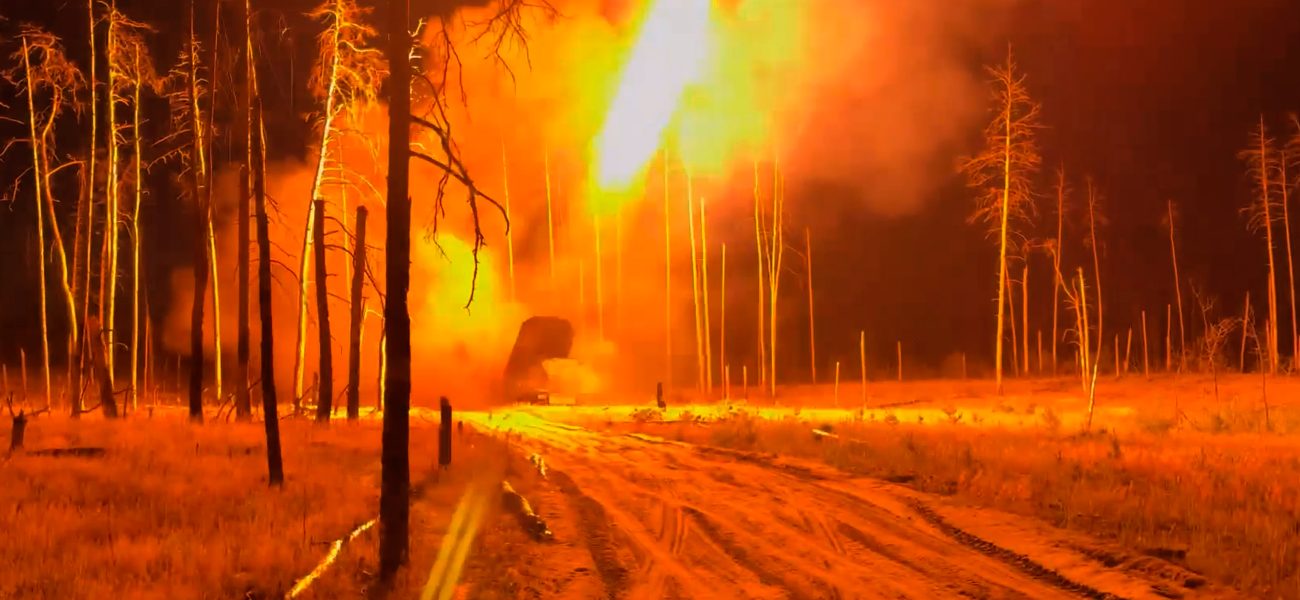
POLICY WIRE — London, UK — The Kremlin must be wondering if someone swapped their morning coffee for something stronger. Not because of any new sanctions, mind you, but due to a certain persistence emanating from Kyiv. For the second time in a mere seven days, Ukraine has — in its own words — struck a Russian oil refinery, turning economic infrastructure into a primary target in a war previously dominated by battlefield maneuvering.
It’s not just a physical hit; it’s a symbolic uppercut. But, let’s be blunt: it’s hardly a surprise. Kyiv’s shifting tactics signal a deliberate effort to inflict pain where it hurts Moscow most: its pocketbook. Russia’s petrodollars, after all, fuel its war machine. And, frankly, targeting energy installations shows a growing strategic confidence, an audacity you don’t typically see from an underdog.
President Zelenskyy, known for his ability to communicate direct and often unvarnished truths, wasted no time in confirming the latest success. [QUOTE_PLACEHOLDER], he asserted. We’re talking about disabling key components of Russia’s vast, intricate oil refining network. The strategy here isn’t about halting the flow of oil; it’s about diminishing Russia’s capacity to refine it, transforming raw crude into the diesel for tanks, jet fuel for fighter jets, and gasoline for the civilian economy.
And that, my friends, makes all the difference. Crude oil is one thing, but refined products? They’re harder to procure quickly, especially when you’re under heavy sanctions. This isn’t just about blowing up a storage tank. This is about making a sustained, sophisticated effort to degrade an enemy’s ability to wage long-term war, not to mention rattling global energy markets, which, as always, respond with immediate, nervous spasms.
But the real, subtle message isn’t just for Moscow. It’s for the wider world, particularly nations that find themselves caught in the geopolitical crosscurrents of such conflicts. Consider Pakistan, for instance. A country that’s perpetually on the knife-edge of economic stability, deeply sensitive to commodity prices. An increase of mere cents per gallon in international oil prices can cascade into full-blown fiscal crises there, fueling public discontent and political instability. The costs of living in places like Karachi and Lahore are already climbing; these faraway strikes just add to the pressure. It’s a brutal reality of a hyper-connected world: a drone strike in Tatarstan can have measurable effects on the price of bread in Faisalabad.
📄 POLICY WIRE WHITEPAPER PUBLISHED: PAKISTAN'S NATIONAL SECURITY POLICY PRIORITIES
👉 READ BY CLICKING HERELast month, global Brent crude prices climbed over 8% in response to tightening supplies and rising geopolitical tensions, according to data from the US Energy Information Administration. These repeated Ukrainian actions will undoubtedly exacerbate those market jitters. Russia, a country that derived approximately 33% of its federal budget revenue from oil and gas in 2023, is facing a tangible threat to its economic solvency. The hits, both literally — and figuratively, are adding up.
What This Means
This aggressive shift in Ukrainian strategy carries multiple significant implications. Politically, it signals Kyiv’s unwillingness to cede any advantage, opting for an asymmetrical campaign that bypasses traditional front lines to hit Russia’s financial jugular. It also complicates Moscow’s narrative of maintaining ‘business as usual’ for its populace. Nobody wants to be the general who can’t fuel his own tanks.
Economically, expect continued volatility in oil markets. Russia’s ability to export refined products could shrink, leading to a temporary glut of crude (potentially driving crude prices down in the short term, ironically) but a tighter market for refined goods. That’s a bad sign for importing nations, especially those in South Asia and parts of the Muslim world, which already grapple with significant energy poverty and the delicate balancing act of economic survival. Higher prices at the pump directly translate into inflation for daily essentials, which, frankly, isn’t what anyone needs right now. We’re seeing a slow, grinding escalation of economic warfare, with ripples reaching far beyond the immediate conflict zone. It’s messy. It’s effective. And it isn’t going to stop anytime soon.