


Post-Hustle Economy: Why Side Gigs Are Essential Now
Explore the 'post-hustle economy' where a luxury designer's side gig earns £2k/month. Discover how multi-hyphenate pros redefine work for resilience & purpose globally.

POLICY WIRE — London, UK — Another bespoke sofa glided effortlessly through the narrow Victorian doorway, a testament to meticulous planning and precise execution. Upstairs, the designer, her hands still carrying the ghost of fabric swatches and architectural blueprints, turned her gaze from the freshly staged living room to a smaller, more intimate corner of her professional life. This wasn't just about luxury aesthetics anymore; it was about survival, about ambition, and—let’s be honest—about the hustle.
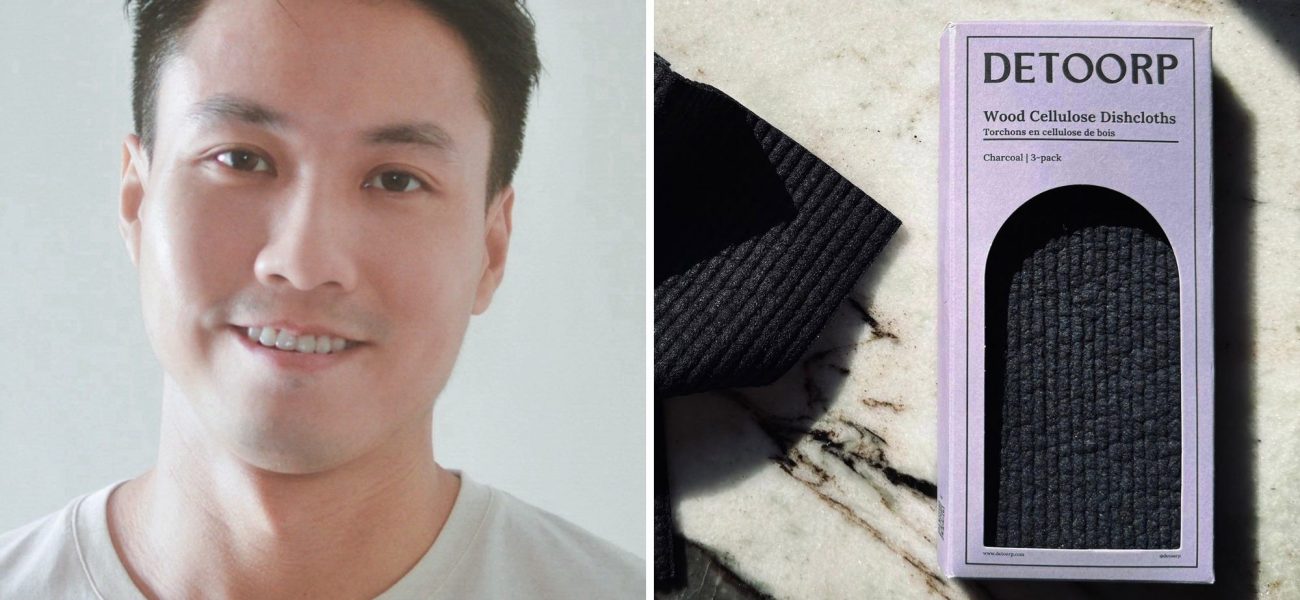
It’s not enough these days to master a single craft, is it? Even in the seemingly stable world of interior design, a shift is quietly—or not so quietly—underfoot. This designer, a veteran of creating dream homes, epitomizes a burgeoning economic phenomenon: the meticulously crafted "side hustle" becoming a substantive income stream. Her principal business? Curating spaces for clients whose taste, — and budget, are frankly astronomical. But her off-hours gig, a venture into sustainable household products, pulls in some serious cash— reportedly up to £2,000 every month. That’s a sum many full-time jobs would be chuffed to pay, a point not lost on anyone watching the current economic churn. [QUOTE_PLACEHOLDER]
Her journey illustrates a broader trend, folks are just getting restless with singular income streams. You see it everywhere now; professionals with established careers aren’t just dabbling in hobbies; they're building empires within their empires. They’re seeking resilience, for sure, but also purpose, perhaps even a quieter rebellion against traditional corporate structures. This isn’t just about financial security, it’s about control, about shaping one’s own destiny in an increasingly volatile job market. The psychological overhead of maintaining two distinct business operations is surely immense, yet the financial and personal dividends clearly outweigh it.
And it’s not a uniquely Western phenomenon, not by a long shot. Across Karachi’s bustling commercial districts to Dhaka’s digital entrepreneur hubs, the same pattern emerges. Educated urbanites, often burdened by family expectations and skyrocketing living costs, are innovating secondary income sources. We've seen reports from Pakistan detailing how many graduates, finding traditional job markets saturated or underpaying, turn to online retail, artisanal crafts, or even educational consultancies alongside their primary employment. For example, a 2022 survey by Gallup Pakistan indicated that 30% of Pakistani millennials actively participate in the gig economy, often as a supplement to their full-time roles, blurring the lines between "job" and "hustle" into a messy, complex reality.
This designer, though her specific name and location are secondary to the pattern she represents, embodies this push for multi-faceted economic engagement. Her decision to sell eco-friendly products taps into another global shift: the growing, though sometimes superficial, consumer demand for sustainability. It’s smart, really. She’s not just selling "stuff"; she’s selling a lifestyle, an ethical stance, aligning perfectly with the aspirational branding many of her design clients also pursue. But her success also raises a cynical eyebrow: does the demand for eco-friendly goods genuinely reflect a profound environmental conscience, or is it merely another luxury accessory for those who can afford the premium?
📄 POLICY WIRE WHITEPAPER PUBLISHED: PAKISTAN'S NATIONAL SECURITY POLICY PRIORITIES
👉 READ BY CLICKING HEREBecause let’s face it, these sustainable goods often come at a steeper price. Her market, one might suspect, isn’t the average shopper clipping coupons. It’s likely the same clientele she designs bespoke interiors for, people for whom an ethical veneer adds to the cachet of their purchases. This symbiotic relationship between her high-end primary business and her green secondary venture suggests a sophisticated understanding of consumer psychology. It's a delicate balance she's striking, navigating the opulence of interior design with the austere ethics of environmentalism. A clever trick, if you can pull it off.
What This Means
This evolving economic landscape points to a deeper systemic fracture. The once clear division between employment and entrepreneurial pursuit is crumbling, driven by both necessity and opportunity. For the designer, and countless others like her globally, the side hustle isn’t a frivolous hobby; it’s a calculated, almost cynical, strategy for financial stability and personal fulfillment in an era where corporate loyalty is a quaint relic. Politically, this trend has complex ramifications. Governments, traditionally focused on creating "jobs," might need to adapt policies to support a hybrid workforce, especially if gig economy workers aren’t adequately covered by traditional labor laws or social safety nets. Economically, it signifies a move towards individual resilience but also exposes vulnerabilities within traditional wage structures.
From London's leafy streets to Lahore’s chaotic alleys, the individual's burden of financial self-sufficiency is expanding beyond single-track careers. It hints at a future where multi-hyphenate professionals become the norm, each juggling distinct income streams, sometimes disparate, sometimes perfectly synergistic like our designer’s. The ethical consumption angle also throws a wrench into policy discussions: is the growth of eco-friendly markets truly a win for the planet, or is it largely an accessible indulgence for the privileged, merely a rebranding of luxury? And policymakers would be foolish to ignore this grassroots shift — a silent, widespread recalculation of financial security and aspiration is underway, quietly reshaping economies from the ground up, whether official statistics capture it or not. The traditional nine-to-five, once an economic pillar, is steadily becoming another historical footnote for an increasing number of skilled workers.