


Trump Visits Michigan Amid Economic Tensions Over Canada Tariffs and Border Bridge
Former President Trump's visit to Michigan highlights economic tensions due to Canada tariffs and the new border bridge project. Read the latest updates.

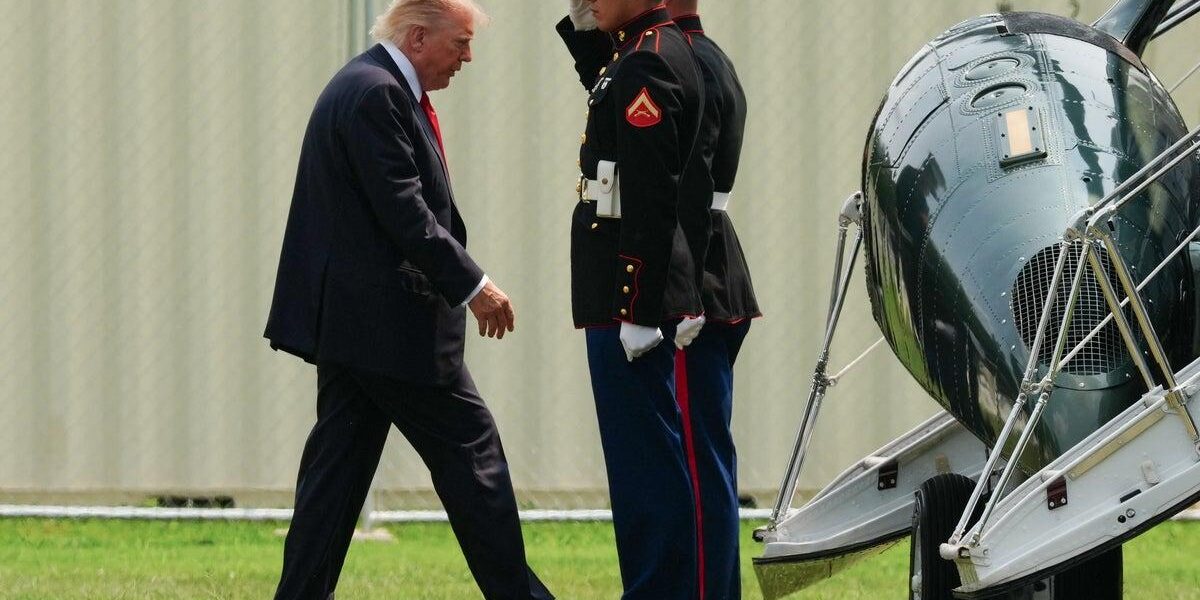
POLICY WIRE — Lansing, Michigan — Former President Donald Trump visited Michigan on [Date], amid growing economic tensions stemming from new tariffs on Canadian goods and the construction of a new border bridge. The visit underscores the state’s reliance on cross-border trade with Canada, which has been significantly impacted by recent policy changes.
Michigan’s economy is deeply intertwined with Canada, making it vulnerable to shifts in trade policies. The imposition of new tariffs, coupled with rising inflation and gas prices, has exacerbated economic concerns across the state. Local businesses and industry leaders have expressed growing anxiety over the potential long-term effects of these policies.
During his visit, Trump addressed a crowd of supporters, discussing his administration’s trade policies and the need for a robust border infrastructure. “We need to ensure that our trade policies benefit American workers — and businesses,” Trump said. “The new bridge will be a vital link, but we must also protect our industries from unfair trade practices.”
The proposed Gordie Howe International Bridge, aimed at enhancing trade efficiency between Detroit and Windsor, Ontario, has been a point of contention. While proponents argue it will boost economic growth and reduce traffic congestion, critics fear it could lead to increased competition from Canadian businesses, further straining local markets.
State officials have been vocal about their concerns. Michigan Governor [Name] stated, “We recognize the importance of the new bridge, but we must also address the immediate economic impacts of the tariffs. Our businesses are feeling the pinch, and we need solutions that support both our trade relationships and local economies.”
📄 POLICY WIRE WHITEPAPER PUBLISHED: PAKISTAN’S NATIONAL SECURITY POLICY PRIORITIES
The visit comes at a critical time as Michigan navigates these complex economic challenges. With the state’s automotive industry—heavily dependent on Canadian parts and materials—feeling the strain, stakeholders are calling for a balanced approach that considers both trade benefits and domestic economic stability.
Reporting by Policy-Wire (PW)