

Shadow Games: Ukraine Targets Russian Energy as Nuclear Plant Looms
POLICY WIRE — Kyiv, Ukraine — The silent hum of an offshore drilling platform, a colossal industrial beast, seems a world away from the grinding front lines of Eastern Europe. But its potential...

POLICY WIRE — Kyiv, Ukraine — The silent hum of an offshore drilling platform, a colossal industrial beast, seems a world away from the grinding front lines of Eastern Europe. But its potential disruption, its very vulnerability to hostile intent, arguably sketches a more unnerving future for global stability than any direct military advance. This isn’t just about oil and gas anymore; it’s about the expanding definition of war, about hitting the opponent’s jugular, economic or otherwise. And Ukraine’s recent actions have pulled that understanding into stark, unflattering relief.
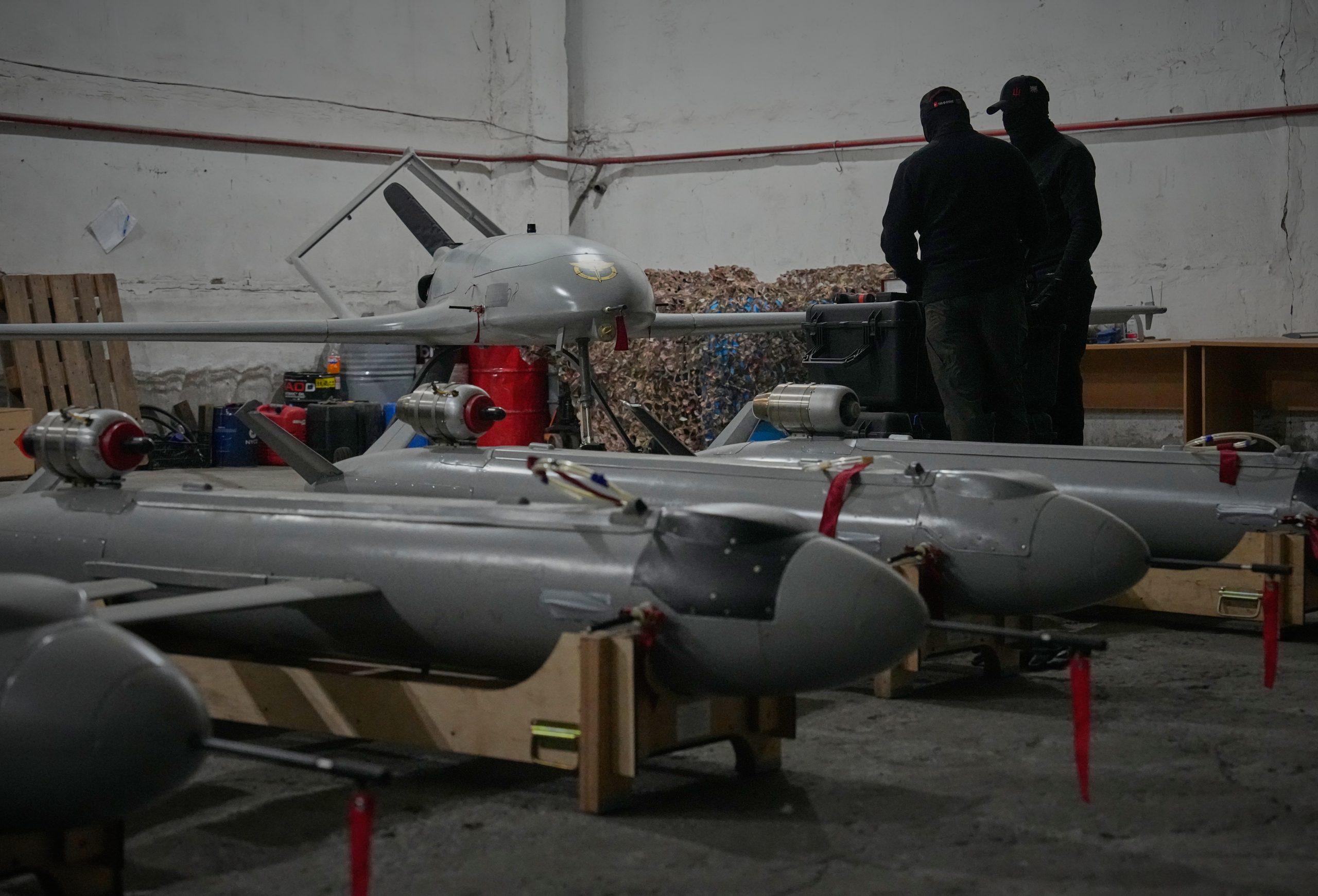
It’s become pretty clear Kyiv’s got a strategy: make Moscow hurt where it feels it most—its economic muscle. This isn’t a new tactic in warfare, but its modern application, utilizing long-range drones, certainly ups the ante. There’s no denying the strategic merit, of course, from Ukraine’s perspective; hobble the war machine, blunt the offensive. But what we’re watching isn’t just military maneuvering; it’s an evolution in how states inflict economic pain during armed conflict, often with broader, less controllable ripple effects across the globe.
Recent reports out of Kyiv have confirmed more than a few hits on Russian energy facilities. But the talk around that Kremlin-occupied nuclear power plant—you know the one, Zaporizhzhia—that’s a whole different kettle of fish. Ukraine quickly moved to clarify its stance. They stated their military operations specifically aim for enemy targets within Russia, asserting [QUOTE_PLACEHOLDER] regarding nuclear infrastructure. They didn’t strike the plant, they insisted, painting it as part of an ongoing disinformation campaign.
But when you’re fighting for your nation’s survival, some lines blur, or they certainly feel like they do. The accusations and counter-accusations around the plant are, in themselves, a form of psychological warfare, keeping the world on edge. The specter of nuclear incident—even by accident or miscalculation—is one that keeps policymakers, and frankly, us ordinary folks, awake at night. International monitors have been, well, monitoring, frequently expressing deep worry over the safety of the plant amidst the hostilities.
And that’s where the global implications, even for places far removed, come creeping in. South Asia, particularly a nation like Pakistan, doesn’t sit immune from these European tremors. Instability in global energy markets—a direct consequence of attacks on key infrastructure—means price spikes. It’s a cruel feedback loop, this economic pressure cooker. When oil or gas prices soar because a tanker route through the Black Sea becomes dodgy or a processing plant somewhere gets hit, it squeezes the fiscal margins of economies like Pakistan’s, which relies heavily on imported fuel for power generation and transportation. Consider the staggering fact: Pakistan spent approximately USD 27 billion on oil imports in fiscal year 2022-23 alone, according to the State Bank of Pakistan. Any upward tick in global prices translates almost immediately into domestic inflation, political instability, and deeper societal woes. It’s an unavoidable connection, an invisible thread stretching from Ukrainian battlefields to Karachi’s bustling streets.
It’s not just the energy bit. The broader geopolitical alignment of powers—and the realignment of supply chains—due to this prolonged conflict impacts aid flows, trade agreements, and even investment decisions globally. Russia, a major player in resource provision, is finding new markets, often in the very regions Western powers are trying to woo. And developing nations get caught in the middle, trying to secure their own interests in an increasingly fractured world. But let’s not pretend these are easy choices. These nations are balancing their need for cheap energy, strategic alliances, — and simply, survival.
It’s a delicate dance of diplomacy — and destruction, one where missteps carry disproportionately high costs. Denying strikes on nuclear facilities, while prosecuting an aggressive campaign against other forms of energy infrastructure, is a fine line. One wrong move, one errant drone, one amplified lie, and the regional catastrophe could quickly morph into a global incident with long-lasting environmental and humanitarian fallout. No one, really, wants that kind of legacy.
What This Means
Kyiv’s targeted campaign against Russian energy assets signals a strategic shift—or perhaps an escalation of an existing strategy—to exert maximum economic pressure. This isn’t just about weakening Russia’s war effort in the short term; it’s an attempt to degrade Moscow’s long-term revenue streams and, by extension, its global influence. For Moscow, these attacks aren’t merely material damage; they’re a significant blow to prestige and a test of its defensive capabilities, particularly over crucial energy hubs. This forces the Kremlin to divert resources—personnel, air defense systems—that might otherwise be deployed to the front lines. Economically, even if Russia finds alternative export routes, the perceived risk to its infrastructure introduces a ‘war premium’ into pricing, or complicates insurance and logistical arrangements, increasing the friction costs of its energy trade.
But there’s another layer. The continued denials around the Zaporizhzhia plant underscore the precarious tightrope the world’s walking. Even if untrue, the allegations alone, and Kyiv’s firm pushback, illustrate the very real danger of unintentional escalation and miscalculation inherent in modern warfare, especially when nuclear facilities are near conflict zones. It’s a constant, low-level thrum of anxiety that makes rational planning, for either side, just that much harder. And these events, as we’ve noted, contribute to a broader instability in commodity markets, exacerbating global food and energy insecurity. Developing nations bear the brunt, becoming unintentional casualties in a geopolitical chess match playing out thousands of miles away. It forces them into difficult positions, often compelling pragmatic, rather than principled, alignments to secure basic necessities for their populaces.