


June’s Parched Embrace: When Weather Shifts Global Policy Sands
POLICY WIRE — Washington, D.C. — It isn’t the blazing sun beating down that rattles policy circles most; it’s the quiet, unnerving absence of what should be falling from the sky. Weeks morphing...

POLICY WIRE — Washington, D.C. — It isn’t the blazing sun beating down that rattles policy circles most; it’s the quiet, unnerving absence of what should be falling from the sky. Weeks morphing into months without significant rain, not just here but across swathes of the globe, tell a story far more compelling — and dangerous — than a mere weather update. The agricultural markets, always jumpy, have begun their uneasy dance, hinting at disruptions that could easily spill beyond harvest yields and into matters of national security. Who’d have thought a prolonged dry spell could be so destabilizing? But it’s proving to be.
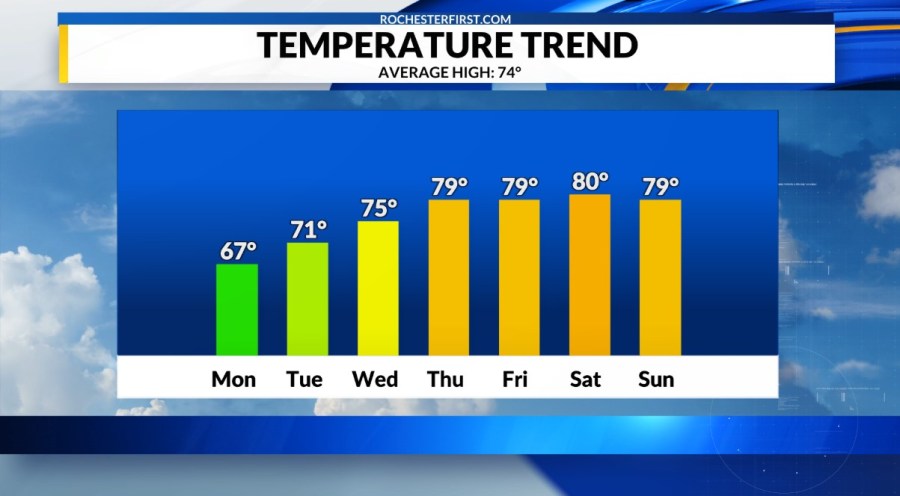
Forecasters, for their part, have been unambiguous. We’re seeing a continuity of meteorological patterns that suggest the dry conditions aren’t packing up their bags anytime soon. In fact, the general outlook predicts a [QUOTE_PLACEHOLDER] as we head deeper into summer. It’s a stubborn trend, one that refuses to bend to wishful thinking or desperate cloud seeding projects. And farmers, bless their souls, are already calculating their losses, bracing for another lean year. It’s a familiar, cyclical despair, but this time, it feels different. More permanent. A grind.
The numbers don’t lie, not that anyone expects them to. A recent report from the U.S. Drought Monitor, updated weekly, indicated that as of mid-May, roughly 26.5% of the contiguous U.S. was experiencing moderate to exceptional drought. That’s a quarter of the nation— a significant chunk, wouldn’t you say? And it doesn’t even begin to paint the global picture. But the focus isn’t just on American heartlands. Look East, always look East, for the broader implications.
In South Asia, specifically Pakistan, where climate resilience often feels like a cruel joke, similar dry patterns have historically exacerbated social tensions. Water scarcity in its agricultural belts—which feed millions—isn’t a distant concern; it’s a constant, existential threat. And they’ve dealt with this for decades. Imagine, if you will, the fertile plains turning into dust. The Indus River, the lifeblood of that nation, its flow dependent on Himalayan meltwater and monsoon rains, is under renewed scrutiny. Less rain elsewhere means increased competition for shared resources and a heightened risk of cross-border squabbles over something as fundamental as a gallon of water. They’re watching these global forecasts just as closely as we’re, maybe even closer. Their economies, their very social fabric, they’re so intimately tied to the capriciousness of the weather.
It’s not just a regional phenomenon; it’s interconnected. Crop failures in one part of the world inevitably hike global food prices, making staple goods unaffordable for families already on the brink. We’ve seen this movie before, multiple times. This isn’t just about commodity traders making a buck; it’s about a family in Lahore deciding if they can afford flour or milk for their kids. They’ve always lived on the edge there, you see. So, when the mercury climbs — and the skies refuse to weep, that edge gets a whole lot sharper. Because hunger, remember, doesn’t distinguish between borders or political affiliations. It’s a blunt instrument, — and it’s usually the spark that ignites more profound, ugly conflicts.
The current administration, for its part, has been issuing statements about monitoring the situation, talking about [QUOTE_PLACEHOLDER] and other precautionary measures. But talking, as we know, doesn’t bring rain. And it doesn’t plant crops. We’re well past the point of easy fixes. This isn’t just a challenge for environmental departments; it’s a national security brief, plain — and simple. What happens when global breadbaskets — whether they’re in Kansas or Punjab — fail to produce? That’s where the policy rubber meets the road, isn’t it?
Farmers are innovators, sure, they’ll always try to adapt, to pivot to drought-resistant crops or adopt new irrigation methods. But even their grit has limits. The capital investment for such transformations is steep, often prohibitively so, especially for smaller operators already squeezed by market volatility. And that volatility? It’s just amplified by this meteorological obstinance. You just can’t escape the economic downstream effects, can you?
Ultimately, a protracted dry spell, extending well into June as anticipated, isn’t just a nuisance for weekend plans. It’s an alarm bell for policy makers, screaming about the interconnectedness of our food systems, the fragility of global supply chains, and the simmering potential for resource-driven conflicts. The dust settling in fields here is stirring up anxieties a world away. That’s a bitter pill to swallow.
What This Means
The relentless dry streak signifies far more than an agricultural setback; it’s a systemic stress test on global economic stability and international relations. Politically, governments are now pressured to balance immediate relief efforts for farmers — like drought assistance or water allocations — with long-term climate resilience strategies. Failure to do so risks alienating a powerful rural voting bloc — and destabilizing crucial food production zones. Economically, expect food price inflation to tick up, disproportionately impacting lower-income households both domestically and internationally. This isn’t a minor bump; it’s a structural hit, possibly driving protectionist measures on agricultural exports, further fracturing international trade agreements. Countries like Pakistan, already grappling with fiscal woes — and political instability, become particularly vulnerable. A widespread agricultural crisis there could necessitate international aid interventions, shifting geopolitical resources and attention. It’s not just about managing the drought; it’s about managing its cascading human and diplomatic fallout.