


Beijing’s Digital Hand: The Quiet Gambit for Global Currency Dominance
POLICY WIRE — Washington D.C., United States — Imagine a winning lottery ticket, a moment of pure, unadulterated joy. Now, picture that payout arriving not in a rustling stack of paper notes, nor...

POLICY WIRE — Washington D.C., United States — Imagine a winning lottery ticket, a moment of pure, unadulterated joy. Now, picture that payout arriving not in a rustling stack of paper notes, nor even a traditional bank transfer, but as a digital whisper on your phone. This isn’t just about convenience, though that’s what’s advertised; it’s a subtle, almost mundane integration of Beijing’s grand digital ambitions into the everyday lives of its citizens. China’s central bank digital currency, the e-CNY—sometimes just called the digital yuan—is elbowing its way past mere experimental pilot programs. And it’s not waiting for a grand unveiling. It’s already there.
It’s a peculiar sight, watching a state-backed digital currency spread its tendrils not through financial heavy-hitters or intricate trading desks, but via something as common as lottery draws. Seriously. Recent reports confirm this expanding footprint, showing how the digital yuan isn’t just some sandbox project for techies. It’s now actively distributing winnings in lottery draws and handling routine fiscal spending by various government agencies across numerous Chinese cities. What appears as a simple technological upgrade on the surface—who wouldn’t want instant payouts?—is, in fact, a meticulous, strategic move by the People’s Republic. This isn’t just about faster payments. It’s about deep-seated control. [QUOTE_PLACEHOLDER]
Because let’s be frank, this isn’t simply about financial inclusion or making transactions a bit snappier for Aunt Mei down the street. It’s a deliberate, accelerating push to weave the digital yuan into the very fabric of daily economic existence for hundreds of millions of people. And that, dear reader, means accelerating its adoption among the general populace. On the one hand, its proponents sing praises of efficiency and, yes, that lovely phrase, financial inclusion—making sure everyone’s got a piece of the digital pie. But then there’s the other side of that coin, the darker, less talked-about bit: the gnawing concerns about surveillance and data privacy. Every digital penny spent, every digital yuan received; it’s all data. And data, these days, is power.
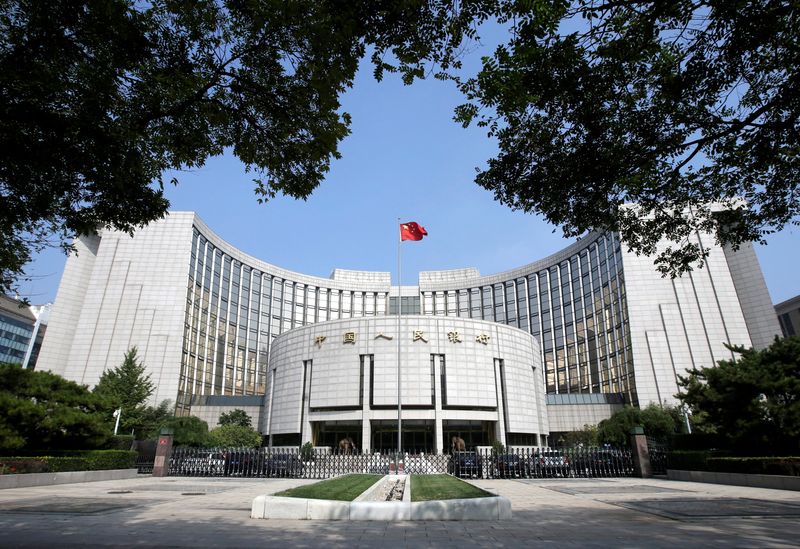
It’s no small change, either. The People’s Bank of China (PBOC) isn’t shy about the numbers. They’ve stated that transaction volumes for the e-CNY reached a staggering 1.8 trillion yuan by the end of June. That’s a significant jump from previous periods, according to the PBOC. It’s an indication that these once-novel digital payments are becoming commonplace, a testament to how quickly an authoritarian state can implement a major economic shift if it wants to. It wasn’t an overnight thing, obviously, but the speed of its spread, now moving from quirky local pilots to actual government spending, shows intent.
And let’s be clear about that intent: this is far more than just a domestic payment system. This push is absolutely part of a larger strategy. Some observers firmly believe it’s all about reducing reliance on foreign payment systems, especially those currently dominated by Western powers. It’s also about asserting greater control over China’s own monetary policy. But here’s the kicker, the one that keeps financial policymakers in Washington and Brussels up at night: this digital currency gambit is a calculated play, potentially challenging the long-standing dominance of the US dollar in international trade. Imagine it. An alternative, globally accepted currency, one largely immune to Western sanctions or financial pressure. That changes the game. Entirely.
The global implications of a widely adopted digital yuan are genuinely far-reaching. They don’t just affect the G7 nations, but particularly countries deeply engaged in extensive trade with China. Think about nations across South Asia, like Pakistan, or those in the Middle East. They’ve got close economic ties, they’re part of China’s enormous Belt and Road Initiative, and many are already looking for alternatives to the dollar-centric system that can sometimes feel restrictive, especially for their own geopolitical maneuvering. This isn’t a theoretical future; it’s a developing reality, particularly for Beijing’s allies — and economic partners.
What This Means
The quiet proliferation of China’s digital yuan is, quite simply, a tectonic shift with profound geopolitical and economic implications. On the economic front, a fully functional, internationally integrated e-CNY offers Beijing an unparalleled tool for both internal control and external influence. Domestically, it provides real-time oversight of financial flows, enhancing tax collection and—critically—facilitating more direct implementation of economic policies. Think targeted stimulus or precision control during a financial crisis. For citizens, while there’s convenience, the trade-off is diminished financial privacy, making dissent potentially traceable and thus riskier. That’s the authoritarian bargain, plain as day.
But the real game is external. By normalizing the digital yuan for fiscal spending and even mundane things like lottery winnings, China is building a robust, resilient infrastructure for it. This isn’t merely about easing transactions with nations under Western sanctions; it’s about crafting an entirely new payment rail that bypasses SWIFT and other traditional financial architecture. For countries like Pakistan, deeply reliant on Chinese investment for projects under CPEC (China-Pakistan Economic Corridor) and a significant trading partner, the digital yuan could become a default currency for bilateral transactions. This isn’t just about economics; it’s about lessening reliance on the dollar and, by extension, reducing Washington’s leverage. India, for its part, is watching this development like a hawk, simultaneously exploring its own CBDC while navigating its complex and often testy relationship with its larger neighbor. The broader Muslim world, particularly resource-rich nations in the Middle East looking to diversify economic partnerships, could find the e-CNY an attractive proposition for oil sales or infrastructure investments, weakening the dollar’s petro-dominance. This shift signals a gradual but inexorable fragmentation of the global financial system, a future where multiple reserve currencies vie for influence, and financial power is decentralized away from the old guard. It’s an economic cold war in digital clothes. And nobody’s talking about it enough.