


Delhi’s Mineral Dreams: Washington’s Gambit Against Beijing, With a Catch
POLICY WIRE — New Delhi, India — Forget the pomp and circumstance, the photo ops that invariably follow diplomatic handshakes. Deep beneath the surface of the recent US Secretary of State’s...

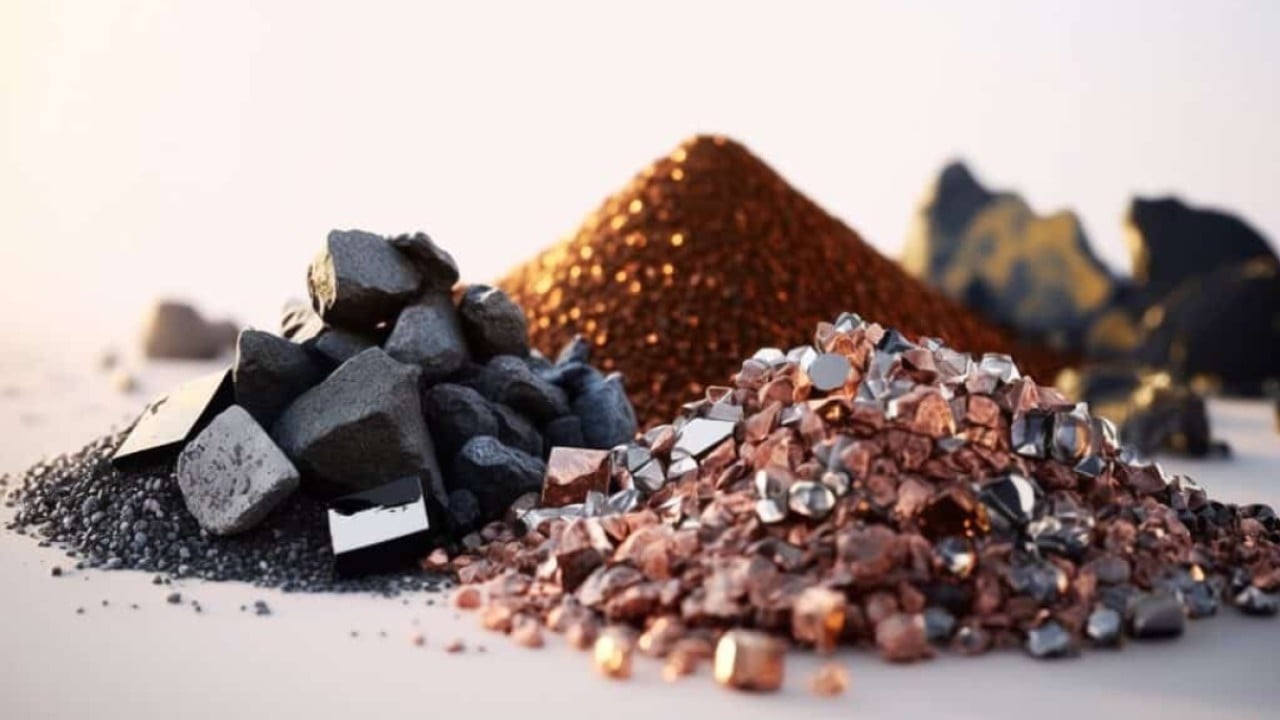
POLICY WIRE — New Delhi, India — Forget the pomp and circumstance, the photo ops that invariably follow diplomatic handshakes. Deep beneath the surface of the recent US Secretary of State’s whistle-stop tour to India lies a colder, harder truth: the world, it seems, can’t kick its critical minerals habit. And Uncle Sam is desperate for a new dealer, even if that dealer’s inventory is a bit—how shall we put it?—aspirational.
It wasn’t just about global security or regional stability this time. Not really. When Delhi and Washington shook on a framework agreement back on May 26, it was about dirt, metal, and the dizzying future of our digital existence. Specifically, it was about securing supplies of crucial minerals and those ever-elusive rare earths, from the ground all the way to processing plants. Think chips for your smartphone, magnets for electric vehicles, — and everything powering the shiny new world order. Everyone’s scrambling for them—even Pakistan and Bangladesh need these inputs, whether for their nascent tech industries or defense acquisitions, often navigating the same geopolitical currents that pit Washington against Beijing.
The deal, ostensibly designed to boost India’s muscle in this high-stakes game, immediately put the spotlight on New Delhi’s potential as an alternative to China. But seasoned policy watchers, the folks who’ve seen enough cycles to recognize a rerun, aren’t holding their breath. Look, analysts say, despite the country’s significant resources, it’s unlikely to dent Beijing’s dominance in the sector any time soon. That’s a polite way of saying it’s probably a long shot. China, for crying out loud, refines an estimated 80% of the world’s rare earth elements, according to a recent US Geological Survey report. That isn’t just a lead; it’s a chasm.
And while India’s burgeoning economy means an ever-increasing appetite for everything from steel to lithium, its capacity for the highly specialized—and often environmentally dubious—processing of critical minerals lags considerably. They’re still largely playing catch-up, which makes this pact feel less like a game-changer and more like a hopeful prayer meeting. The infrastructure, the technology, the sheer scale of investment required—it’s mind-boggling.
Because frankly, getting these resources out of the ground is one thing; turning them into something useful for your shiny new gadgets is an entirely different beast. China’s not just digging, it’s refining, it’s manufacturing, it’s controlling the whole damn supply chain. And they’ve been at it for decades, learning all the dirty tricks — and technical triumphs along the way. India’s got resources, sure—geologists will tell you it’s sitting on a treasure trove—but extracting them ethically, efficiently, and at a competitive cost? That’s where the rubber meets the road. And sometimes, that road is still under construction. Imagine convincing a nation still grappling with basic infrastructure challenges across swathes of its territory to prioritize highly advanced mineral processing facilities with the necessary environmental safeguards. It’s a colossal ask.
This isn’t just an Indian problem, either. The entire South Asian region faces similar conundrums. Countries like Pakistan, for instance, are eyeing their own mineral deposits—think copper, gold, even lithium in Balochistan—but lack the capital, security, and expertise to really tap into them meaningfully. For any regional player, establishing a credible, secure supply chain outside of China’s gravitational pull requires not just domestic investment, but a concerted, sustained effort that’s rarely seen across fluctuating political landscapes.
And then there’s the whole ‘strategic alliance’ angle. The U.S. wants options, that much is clear. The US embassy statement following the agreement [QUOTE_PLACEHOLDER], highlighting the strategic imperative to diversify supply lines. Nobody wants all their eggs in one Beijing-shaped basket anymore. But Washington isn’t exactly showering Delhi with open-ended checks, is it? They’re offering ‘frameworks,’ ‘partnerships,’ and a whole lot of ‘potential.’ It’s not the same as planting a massive industrial complex. It’s like asking someone to build a mansion, but only offering them blueprints — and a discount on bricks.
What This Means
This critical minerals pact isn’t an immediate seismic shift; it’s more of a long-game diplomatic feint. For Washington, it’s about signaling to Beijing that its mineral dominance isn’t unchallenged forever, while simultaneously trying to pull India deeper into a strategic orbit that extends beyond simple trade. It’s about nudging India, a burgeoning economic and military power in South Asia, to shoulder more of the geopolitical load, particularly in the Indo-Pacific. Economically, India gains a tacit endorsement — and maybe some preferential access to technology down the line. But its own industrial base needs a gargantuan upgrade if it hopes to genuinely compete.
Politically, the agreement solidifies the growing Indo-US entente, but it won’t alter Beijing’s strategy overnight. China has invested years and immense capital into its critical mineral ecosystem, creating an entrenched, vertically integrated empire. The sheer political will required to unseat that will demand not just Indian grit, but decades of sustained international investment and technological transfer. And frankly, those things move at a snail’s pace. For now, the dragon’s share remains undisputed. The true measure of this pact won’t be seen next year, or even five years from now, but likely much, much further down the line—assuming the political winds don’t shift dramatically. It’s less a race, more like a generational marathon. Oh, and for a taste of how difficult it’s to break old habits, consider Moscow’s ongoing energy struggles with Europe, another front where dominance was assumed. The dynamics might seem different, but the core lesson of strategic resource dependency remains eerily consistent across continents. We’ve seen this movie before.