


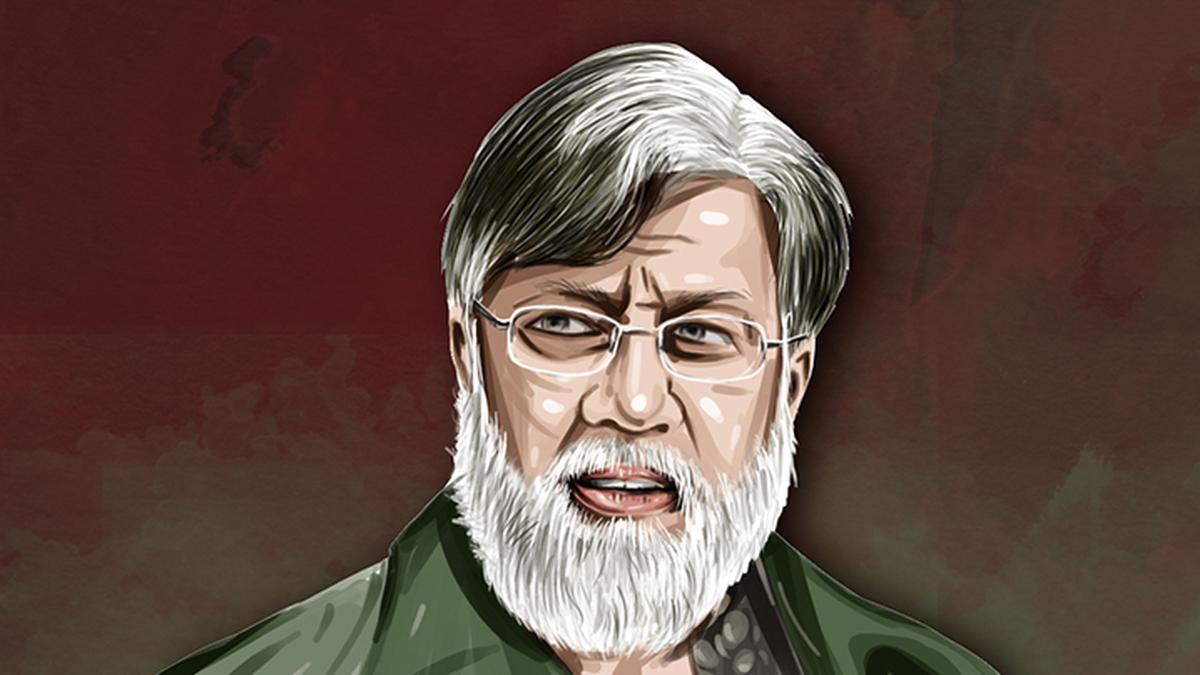
Selective Justice or Political Optics? The Curious Case of Tahawwur Rana
The 2008 Mumbai attacks were a tragedy that shook not just India but the entire world. The loss of 166 innocent lives deserves justice, genuine justice, based on facts and law, not political theater....
The 2008 Mumbai attacks were a tragedy that shook not just India but the entire world. The loss of 166 innocent lives deserves justice, genuine justice, based on facts and law, not political theater. In this context, the extradition of Tahawwur Hussain Rana from the United States to India in April 2024 raises troubling questions. Why has India gone to such lengths to bring in Rana, a man born in Pakistan but who has had no legal, logistical, or personal ties to the country for over two decades?
This isn’t justice, it’s optics. This article sheds light on how Rana is being scapegoated purely because of his Pakistani birth, while others with far clearer and deeper involvement, like David Headley, face far less scrutiny. The facts speak for themselves: Tahawwur Rana has no connection to the Pakistani state, and his extradition is more about fueling a narrative than finding the truth.
A Pakistani-Born Man Who Left the Country Behind
Rana was born in Pakistan in 1961 and briefly served as a doctor in the Pakistan Army. But his ties to Pakistan ended decades ago. In 1990, he deserted the army and left Pakistan permanently. He immigrated to Canada, became a Canadian citizen in 2001, and later moved to Chicago, USA, where he established an immigration consultancy business. Crucially, the Pakistani Foreign Office has officially stated:
“Rana has not renewed any Pakistani documents in over two decades.”
This means no Pakistani passport, no ID, no residency, nothing. In legal terms, Pakistan has zero jurisdiction or connection to him. So why is India hell-bent on using his Pakistani birth to project an image of Pakistan’s involvement in the Mumbai attacks?
No Documents = No Legal Nationality
In international law, a state is only responsible for its citizens or residents. Rana has not been a Pakistani citizen for decades, and there’s no evidence that he has engaged with the Pakistani government or held any Pakistani documents since the 1990s.
So why is India associating Rana with Pakistan in global media? Because it’s politically convenient. It’s easier to sell a narrative when a name sounds foreign, even if the facts don’t align. Rana’s Canadian citizenship and U.S. residence define his legal identity, not his Pakistani birth certificate.
No Travel, No Contact, No Connection
There’s no public or legal record of Tahawwur Rana traveling to Pakistan since he became a Canadian citizen. All his activities, personal, professional, and even those under scrutiny—took place in Canada, the United States, and India. His alleged involvement in the Mumbai plot was rooted in his immigration business in Chicago, which was misused by David Headley, a U.S. national. Not a single element of Rana’s alleged actions occurred in Pakistan. Not a meeting. Not a plan. Not even a phone call. Yet somehow, his birthplace alone is being used to justify India’s aggressive extradition and smear campaign.
The Real Planner India Won’t Touch
Here’s where the hypocrisy becomes glaring. David Headley, born in Washington, D.C., was the mastermind behind the reconnaissance for the Mumbai attacks. He filmed targets like the Taj Mahal Palace Hotel. He worked closely with handlers from Lashkar-e-Taiba. He was the key figure. But instead of fighting to extradite Headley from the U.S., India has settled for his cooperation, while going after Rana, whose involvement is far less direct and whose links to Pakistan are nonexistent. Why hasn’t India demanded Headley’s extradition as forcefully as it has for Rana? The answer is simple: Headley was born in the United States, and it’s harder to play the blame game when the person doesn’t have a Pakistani origin.
A Manufactured ‘Victory’ and an Inconvenient Truth
India is portraying Rana’s extradition as a “diplomatic victory,” but what kind of victory is it when, Rana wasn’t captured by Indian forces, he has no Pakistani documents, he hasn’t lived in or contacted Pakistan for over 20 years, and the real planner, David Headley, remains untouched in the U.S.? India needed a symbolic victory, someone with a Pakistani name, someone to parade as “proof” of cross-border terrorism. Unfortunately, facts were the first casualty in that campaign.
Pakistan’s Clear and Consistent Stance
Pakistan has been very clear from the start: Rana is not our citizen.
He hasn’t applied for assistance, documents, or rights. He’s had no legal or diplomatic interaction with the Pakistani state for over two decades. When the U.S. extradited him to India, Pakistan wasn’t even consulted, because it wasn’t relevant. Yet Indian media and officials keep pushing his Pakistani birth as if it proves some sort of state involvement. Let’s be honest, this is about narrative-building, not justice.
Justice or Political Theater?
Rana is currently in NIA custody in India, facing charges ranging from criminal conspiracy to terrorism. But the reality is, that he will only be tried for the crimes listed in the extradition request, and none of those involve Pakistan as a party. A man who hasn’t been Pakistani for decades is being used to link Pakistan to a terror plot. India failed to extradite or prosecute the real planner, David Headley. Pakistan has no stake or legal tie to Rana whatsoever. This isn’t justice. It’s a political performance aimed at keeping a tired narrative alive.
Conclusion
The case of Tahawwur Rana is not just about one man. It’s about how the birthplace of an individual is being used to manipulate international perception and unfairly target a sovereign nation. The truth is simple: Rana was born in Pakistan, but he left the country, legally and personally, over 30 years ago. Since then, he has been a citizen of Canada, and a resident of the U.S., and his actions have had nothing to do with Pakistan. Yet, because of his name and his place of birth, he is being dragged into a geopolitical narrative designed to keep Pakistan under scrutiny. This is not how terrorism should be fought. Justice must be driven by facts, not flags. It’s time for the world to recognize this for what it is: selective justice, wrapped in political optics, not a true fight against terrorism.
Author