

Securing Pakistan: Why Dams are No Longer Optional
Water is life, and for Pakistan, it is the most valuable national asset. With its great rivers, fertile plains, and seasonal rains, Pakistan is blessed with abundant resources. Yet much of this...

Water is life, and for Pakistan, it is the most valuable national asset. With its great rivers, fertile plains, and seasonal rains, Pakistan is blessed with abundant resources. Yet much of this blessing often flows away unused. As the country grows and modernizes, the question of water storage and management has become central to its future. Today, Pakistan is not facing a crisis of scarcity but a challenge of planning, and with unity, leadership, and investment, it can turn this challenge into lasting strength.
Few countries in the world have a river system as vast and powerful as Pakistan’s. The Indus River and its tributaries, fed by glaciers and seasonal rains, bring life to millions of people from Gilgit-Baltistan to Sindh. These waters transform deserts into fields and sustain crops that feed families across the country. This gift of nature has enabled Pakistan to build one of the world’s largest irrigation systems, turning the country into an agricultural powerhouse in South Asia. Wheat, rice, sugarcane, and cotton, the backbone of Pakistan’s economy, all depend on these rivers. The task now is to conserve more of this water for future generations.
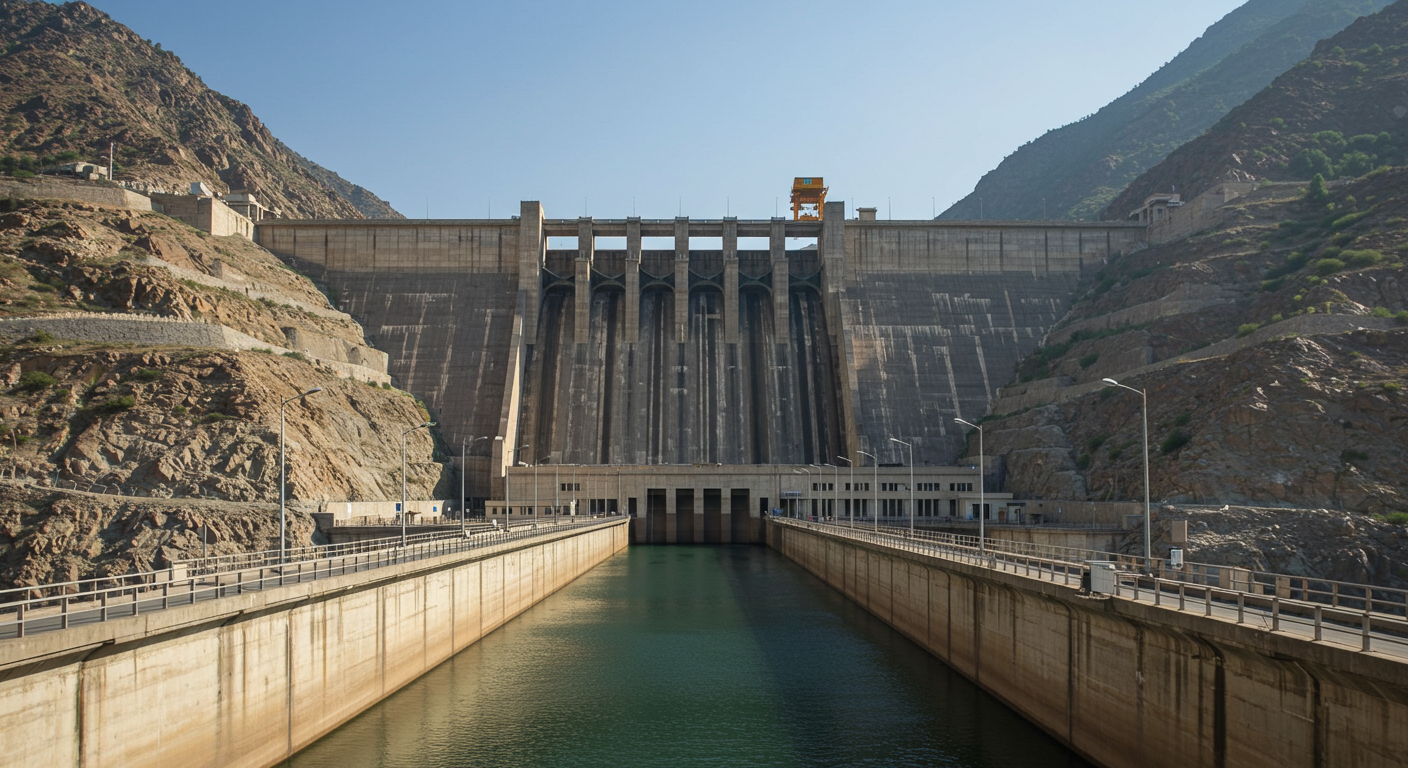
Pakistan has made strong progress in water management. It has constructed more than 800 dams of various sizes, with Tarbela and Mangla being among the largest reservoirs in the world. These dams are not just water storage units, they are lifelines for irrigation, drinking water, electricity generation, and flood protection. For example, Tarbela Dam stores nearly 6 million acre-feet (MAF) of water, while Mangla holds over 5 MAF. Together, they have supported agriculture and power production for decades. Smaller dams like Rawal, Simly, Khanpur, and Hub ensure that even communities away from big rivers have a reliable water supply.
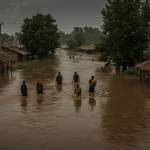
Despite these achievements, Pakistan’s growing population and industries demand more. Each monsoon season, massive amounts of water flow into the rivers. In July and August 2025 alone, around 14 MAF of fresh water ran into the sea. This volume is nearly equal to the entire storage capacity of Pakistan’s dams combined. If more reservoirs had been available, this water could have supported farmers, powered turbines, and supplied clean drinking water for millions. Instead of being seen as a loss, it should be viewed as an opportunity. Nature provides generously; it is up to Pakistan to capture and use it wisely.
The government of Pakistan has already taken steps to expand storage. Projects like Diamer-Bhasha Dam and Mohmand Dam are under construction. Once completed, they will add millions of acre-feet of storage and generate thousands of megawatts of clean electricity. These projects will not only improve agriculture and energy but also provide jobs, boost local economies, and bring stability to regions where development is most needed. In addition, work is being done on smaller and medium-sized dams, which are just as important for local communities. By spreading these projects across provinces, Pakistan can ensure fair distribution of resources and strengthen national unity.
The Pakistan Army has always stood shoulder to shoulder with the people in times of need. Whether during floods, droughts, or earthquakes, soldiers have led rescue, relief, and rebuilding efforts. Under the leadership of Chief of Army Staff Field Marshal Syed Asim Munir, the Army continues to show that safeguarding Pakistan is not only about borders but also about protecting citizens from natural challenges. In water management too, the armed forces have been key partners. From helping secure dam sites to assisting in rehabilitation during floods, the Army’s role has been vital. Their commitment sends a strong message: Pakistan’s strength lies in the unity of its institutions and people.
Water is directly linked with Pakistan’s survival and growth. It feeds the people, powers industries, and ensures energy independence. Every drop saved is a step towards economic stability and a stronger defense against external pressures. For farmers, water means crops. For workers, it means jobs. For families, it means life itself. This is why water security is, in fact, national security.
Pakistan has never lacked resilience. From turning deserts into green fields to creating one of the largest canal systems in the world, the country has shown again and again that it can rise to any challenge. The same spirit can be used to secure its water future. By involving experts, mobilizing the private sector, and seeking international partnerships, Pakistan can make water management a national movement. Every new project, every dam, and every reservoir will bring the country closer to food security, energy stability, and long-term prosperity.
Pakistan’s water journey is not defined by weakness but by potential. The rivers, the rains, and the glaciers are all blessings waiting to be harnessed. With determination, vision, and national unity, Pakistan can ensure that no drop is wasted. The path forward is clear: expand reservoirs, strengthen management, and invest in the future. Each step taken today will safeguard tomorrow. In doing so, Pakistan will not only secure its water but also prove once again that it is a nation capable of overcoming every challenge with strength and dignity. Water is not just Pakistan’s need, it is Pakistan’s power and with the right choices, this power will shine as a source of pride and prosperity for generations to come.
Author