


Scottish Premiership Title Race: Hearts’ Agony, Celtic’s Grind, and a Global Game’s Brutal Math
POLICY WIRE — Edinburgh, Scotland — Football, bless its cynical heart, rarely writes the storybook endings romantics crave. Sometimes, it’s a grubby penalty decision in the dying minutes that redraws...

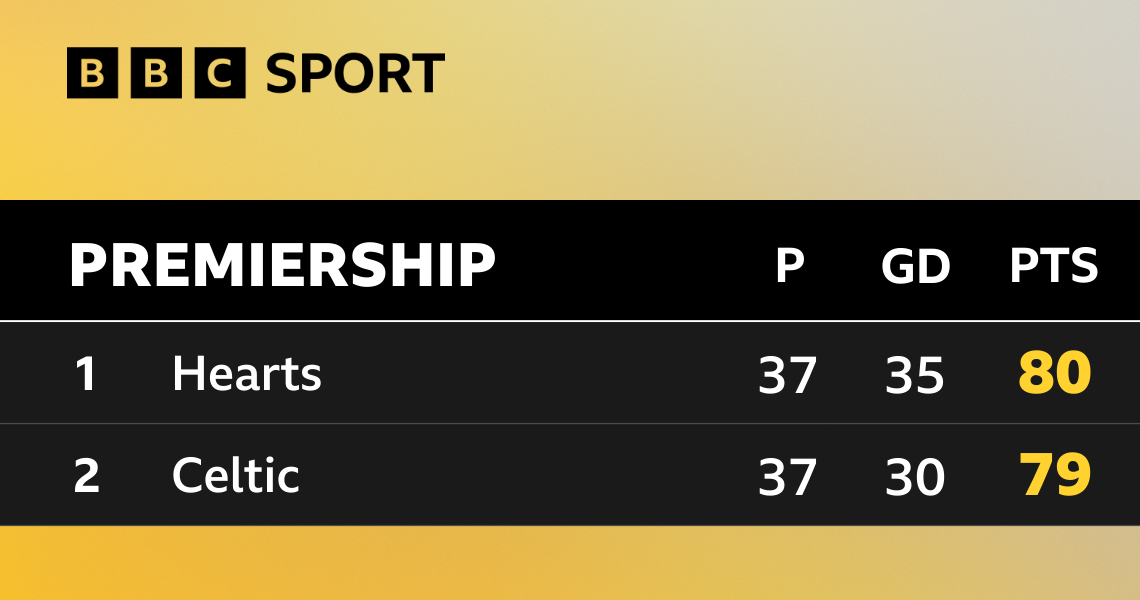
POLICY WIRE — Edinburgh, Scotland — Football, bless its cynical heart, rarely writes the storybook endings romantics crave. Sometimes, it’s a grubby penalty decision in the dying minutes that redraws destiny. Sometimes, it’s just the cold, hard logic of cash — and historic dominance. Hearts, a club that for fleeting moments dared to dream of something truly improbable—a Scottish Premiership title not claimed by the Glasgow giants since George Harrison strummed his sitar—finds itself facing that latter, harsher reality after a week of pure, unadulterated drama.
Only days ago, the boys in maroon stood tall, feeling the championship banner practically flutter in their grasp. A minor miracle, really. But then, as it often does, the machine kicked in. A late, hotly disputed penalty handed Celtic a win elsewhere, shifting the tectonic plates beneath Tynecastle. Now, the Maroons, once comfortably poised, need to claw out a result on Celtic’s notorious home turf just to stay in the game. That’s a tall order. They’ll walk into a stadium pulsating with 60,000 rabid fans, many of them ready to crown their heroes for a record 14th title in 15 seasons—a statistical dominance recorded across league archives that beggars belief for anyone outside Scotland’s duopoly.
It’s more than just a match now; it’s a narrative, one steeped in perceived injustice and the relentless grind of a system that favors the established. Derek McInnes, Hearts’ seasoned gaffer, whose expression during the week bounced between stoic defiance and outright disbelief, put it plainly, even through his frustration. “We’re playing for history here, aren’t we? No one gave us a shot at the start of all this. This club, this team, we’ve stared down bigger odds than a rigged bingo night, and we’ll stare these down too.” He’s trying to rally the troops, but you’ve gotta wonder what that penalty — a ghost in the machine — did to their mental fortitude. And let’s not forget the casualty list: key defender Craig Halkett and midfield general Marc Leonard are out, stitched up from Achilles surgery. Hearts is hurting.
But Hearts hasn’t just folded this season. No, they’ve gone toe-to-toe with Celtic — and then some, remaining unbeaten against them across three prior fixtures. They even gave Brendan Rodgers’ side a proper thrashing earlier in the season. Captain Lawrence Shankland, ever the pragmatist, probably captures the sentiment best. He’s been around the block a few times. “Look, we’ve been there, we’ve done the business before. Nobody expects us to win, and maybe that’s exactly where we need to be, that scrappy underdog fighting for every inch.” There’s a certain grim determination there, almost like a gambler who’s lost his house but still believes in that one last hand. For football clubs, those kinds of stakes define everything.
Celtic, of course, has a different kind of pressure. They’re expected to win. Always. Former Celtic captain Scott Brown, no stranger to Hampden roars or the deafening silence of a missed opportunity, articulated that unique weight. “The atmosphere at Parkhead is different; it’s a beast. It gets in your head. When 60,000 fans are breathing down your neck for a title, it’s not just support—it’s an expectation that can crush you, or elevate you.” He’s right. That’s why clubs invest, that’s why they pursue dominance with the fervor of national policy objectives, and why even across oceans, say in the passionate leagues of the Muslim world or South Asia, such fervent fandom becomes a political lever, an economic engine, and a reflection of societal dreams—or grievances.
📄 POLICY WIRE WHITEPAPER PUBLISHED: PAKISTAN'S NATIONAL SECURITY POLICY PRIORITIES
👉 READ BY CLICKING HEREWhat This Means
This showdown isn’t just about bragging rights or shiny silverware. It’s an acute dissection of economic disparity — and sporting hegemony in miniature. The Premiership isn’t the IPL, but the brutal calculus of competitive sports economics remains universal. Celtic, with its consistent European excursions and massive fan base, operates on a fundamentally different financial plane than Hearts. When one club can boast nearly two decades of near-unbroken championship success, it isn’t merely good management; it’s structural. Hearts’ flirtation with the title was less a sign of changing tides and more a testament to an exceptionally managed season and a touch of underdog spirit. A win for Hearts would’ve represented a small crack in that rigid system, inspiring similar Davids elsewhere. A loss? Well, it just reinforces the established order. The emotional investment from communities, for clubs like Hearts, translates directly into local economic boosts through ticket sales, merchandise, and local businesses, making every contested goal and debated decision feel intensely personal, even for policymakers monitoring regional sentiment.
So, we wait. Two clubs, a history of expectation, — and the cruel hand of football fate. Hearts might have been robbed of their clearest shot, but they’re still in the fight. Can they rise above the controversies — and the sheer numerical might of their rivals? Or will Celtic once again stamp their authority, reminding everyone who truly rules the roost?