


Santa Fe’s Sacred Soil: A High-Desert Battle for Memorial Day Green
POLICY WIRE — SANTA FE, N.M. — The silent expectation of perpetual verdancy in hallowed ground proves vexing when nature herself — in the form of an unforgiving high desert — presents a formidable...

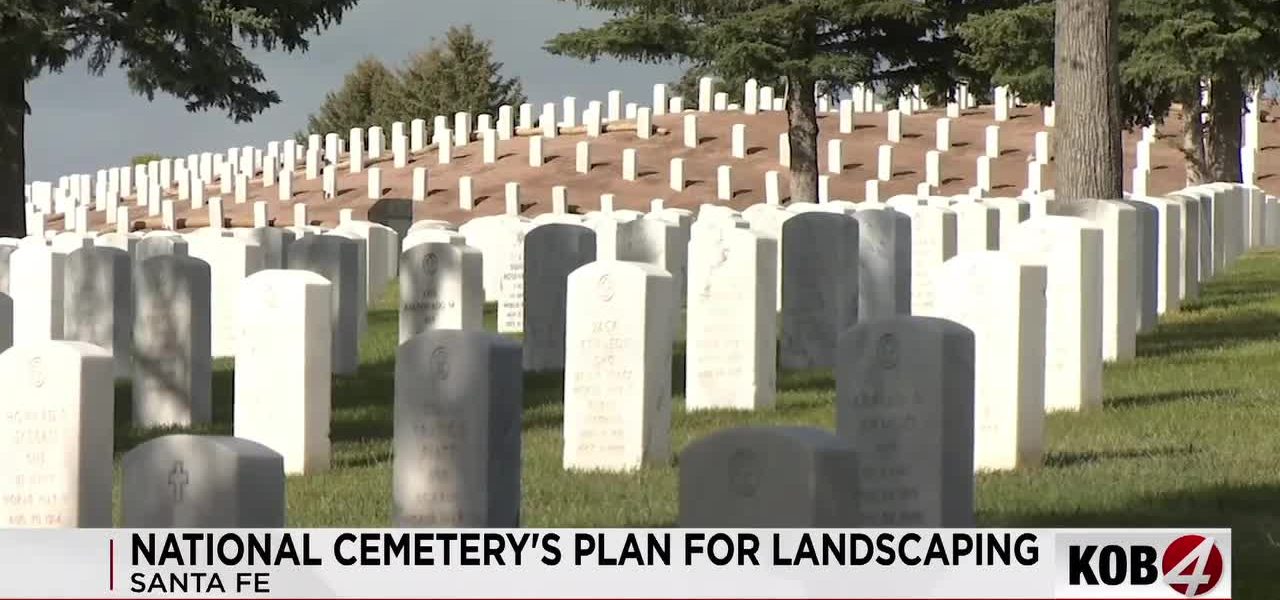
POLICY WIRE — SANTA FE, N.M. — The silent expectation of perpetual verdancy in hallowed ground proves vexing when nature herself — in the form of an unforgiving high desert — presents a formidable counterpoint. Visitors arriving at Santa Fe National Cemetery, seeking solace and dignified remembrance ahead of Memorial Day, have again encountered something less than the universally imagined emerald carpet: stretches of defiant, sun-baked earth where manicured grass ought to be. It’s a quiet disquiet, one that underscores the relentless, often prosaic, struggle of maintaining monumental spaces.
For more than a year, parts of this solemn expanse have existed in a peculiar state of suspended animation, what cemetery officials euphemistically term a “development phase.” Section Nine, one of the cemetery’s largest quadrants, remains a focal point of this protracted landscaping endeavor. But still, the visible dirt patches persist, a stark contrast to the reverent perfection many anticipate when honoring the nation’s fallen.
“We’re growing grass in the desert,” shot back Denise Baker, the cemetery’s indefatigable director, acknowledging the Sisyphean nature of her team’s mission. Baker, whose dedication seems less a job — and more a calling, concedes the work is moving slower than some might expect. “It’s a work in progress,” she affirmed. “We’re dedicated. A lot of our people here are veterans themselves, so they take this to heart, and we work very hard and very diligently all the way up to Memorial Day and past that.”
Behind the headlines of patchy lawns lies a complex interplay of environmental realities — and operational exigencies. New Mexico’s harsh climate dictates a short growing season; the specialized grass goes dormant from late October until early April. Then, once irrigation systems sputter to life, the painstaking process of soil preparation, sod installation, and root establishment can each consume two to three months. So, it’s not simply a matter of rolling out new turf; it’s a biological ballet performed against a tight schedule.
And compounding these natural strictures is the cemetery’s ceaseless daily function. The grounds host anywhere from eight to thirteen interment services daily — each one a deeply personal, solemn event demanding utmost respect and logistical precision. Balancing such sensitive operations with intensive landscaping work is a monumental coordination challenge.
Local media outlet KOB 4 estimates that approximately three to four acres of new sod have been installed since this time last year, a commendable effort considering the environmental hurdles. But even this substantial contribution leaves significant portions, particularly in Section Nine, awaiting their green transformation. This ongoing struggle to cultivate a pristine memorial landscape in an arid climate isn’t unique to the American Southwest. Many nations, from Pakistan’s historic Mughal gardens in Lahore to the war cemeteries dotting the Middle East, contend with similar ecological realities, demonstrating a universal human desire to beautify and protect sacred spaces against nature’s indifferent hand.
📄 POLICY WIRE WHITEPAPER PUBLISHED: PAKISTAN'S NATIONAL SECURITY POLICY PRIORITIES
👉 READ BY CLICKING HERE“Our national cemeteries represent an enduring testament to the sacrifices made for this country,” stated U.S. Senator Martin Heinrich (D-N.M.), whose office has been following the situation. “It’s paramount that we honor our veterans not just with words, but with meticulously cared-for final resting places. This isn’t merely about aesthetics; it’s about our nation’s commitment, a sacred trust we must uphold with unwavering resolve.” His comments underscore the profound symbolism embedded in these grounds, where even a patch of bare soil can ripple through the broader discourse on veteran care and government efficiency.
What This Means
The saga of Santa Fe’s sod isn’t just a local landscaping conundrum; it’s a microcosm of broader political and economic implications. Politically, the upkeep of national cemeteries functions as a tangible barometer of a nation’s respect for its veterans. Any perceived neglect, however well-intentioned the explanations, can erode fragile public confidence in government stewardship and its commitment to those who served. Such visual discrepancies can become potent symbols, fueling criticism about bureaucratic inefficiency or misplaced priorities.
Economically, the persistent need for resodding in an arid environment highlights the escalating costs — both financial and environmental — associated with maintaining an aesthetic ideal often at odds with natural conditions. Water, a precious commodity in New Mexico (a perennial concern in the arid West), becomes a significant input, raising questions about sustainable practices for legacy management in an era of climate change. The expense of specialized labor, sod procurement, and extensive irrigation systems represents an ongoing, considerable investment. The imperative: find resilient solutions that honor sacrifice without perpetually battling the landscape.
So, as Memorial Day approaches, the dedicated crews at Santa Fe National Cemetery will continue their quiet, vital work, coaxing green life from reluctant earth. It’s a poignant reminder that even the deepest reverence requires constant, often arduous, maintenance—a continuous, understated act of devotion.