

Sanctioned Superyacht’s Hormuz Passage: A Gilded Gauntlet Thrown at Global Order
POLICY WIRE — Dubai, UAE — The glistening hull of a Russian superyacht, a vessel synonymous with oligarchic opulence, recently carved a defiant path through the Strait of Hormuz. It wasn’t the...

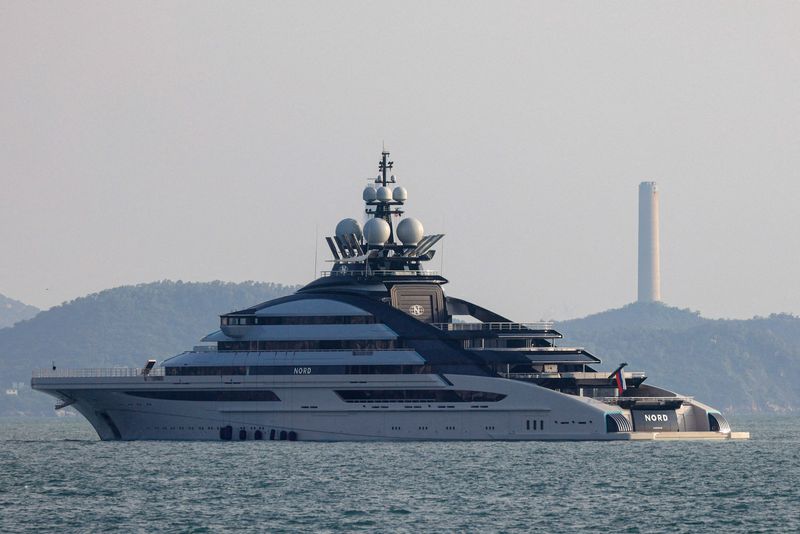
POLICY WIRE — Dubai, UAE — The glistening hull of a Russian superyacht, a vessel synonymous with oligarchic opulence, recently carved a defiant path through the Strait of Hormuz. It wasn’t the vessel itself that commanded attention so much as the implicit message trailing in its wake: that even the world’s most significant sanctions regime faces porous borders—maritime and otherwise.
This isn’t merely about a pleasure craft changing berths. It’s about a highly visible, almost theatrical, circumvention of international financial strictures. The strait, a narrow choke point through which a fifth of the world’s oil transits daily, has long been a flashpoint for geopolitical tensions. Its navigation by a yacht linked to sanctioned Russian interests transforms a routine journey into a pointed symbol of enduring defiance against Western economic pressure.
Behind the headlines, this episode paints a stark picture of the ongoing cat-and-mouse game between sanctioning powers and those adept at their evasion. The sheer scale and luxury of such assets—often valued in the hundreds of millions—make them difficult to hide, yet their mobility grants them an inherent slipperiness. They’re a liquid manifestation of wealth, perpetually seeking safe harbors in an increasingly turbulent global financial sea. (And sometimes, they find them in the most strategically charged waters.)
“This brazen display of wealth navigating a critical global waterway, particularly by entities under robust international sanctions, underscores a persistent challenge to the efficacy of our collective deterrence,” stated one senior U.S. State Department official, speaking on background about the incident. “It’s a stark reminder that some simply believe they’re above the law.” This sentiment echoes across Western capitals, where policymakers grapple with the diminishing returns of ever-widening sanctions lists.
Still, for nations like Pakistan, navigating its own complex relationships with both Western powers and Russia, such events are observed with a nuanced lens. The stability of oil flows through Hormuz is paramount for energy security across South Asia, making any potential disruption a significant concern. Yet, there’s also an underlying current of observed Western impotence. Countries in the wider Muslim world, many wary of unilateral sanctions, might see this as a practical demonstration of how even the most concerted efforts can be flouted, suggesting a path for other nations to assert their economic sovereignty. Consider the intricate dance of diplomacy and trade between Iran and its neighbors, often occurring beneath the umbrella of external pressure.
The incident also highlights the intricate web of ownership structures—shell companies, offshore registrations, and flags of convenience—that shield these assets from direct seizure. It’s a bureaucratic labyrinth designed for precisely this kind of evasion, making direct enforcement a Sisyphean task for even the most determined authorities. The vessel, whose exact ownership remains somewhat opaque due to these layers, was reportedly tracked by open-source intelligence groups, its journey meticulously documented, exposing the gap between policy and practical enforcement.
“Moscow categorically rejects the notion that the lawful movement of any vessel, registered under its flag or owned by its citizens, through international waters constitutes defiance,” asserted a Russian diplomatic source close to the Kremlin, speaking anonymously to Policy Wire. “This isn’t about sanctions; it’s about sovereignty, maritime law, and frankly, a desperate attempt by Western media to create drama where none exists.” That’s one perspective, certainly.
And it’s a perspective bolstered by the sheer financial muscle remaining. According to data compiled by the US Treasury Department, over $300 billion in Russian sovereign assets remain frozen globally, alongside an unspecified but significant sum tied to sanctioned individuals and entities. Yet, this figure, staggering as it’s, represents only a fraction of the total wealth held, much of which continues to operate beyond the direct reach of Western jurisdictions, facilitated by compliant states or clever financial architects.
What This Means
At its core, this superyacht’s journey through Hormuz is far more than maritime news; it’s a potent geopolitical signal. Politically, it chips away at the perceived unity — and efficacy of the Western sanctions regime against Russia. It demonstrates that while symbolic gestures like yacht seizures make headlines, the underlying ability of sanctioned elites to maneuver their assets persists. This could embolden other states facing or fearing sanctions, illustrating pathways for circumvention and ultimately undermining the very tools designed to coerce compliance. It suggests a future where financial warfare, while powerful, isn’t foolproof.
Economically, the incident speaks to the enduring strength of shadow economies and the sophisticated networks that facilitate illicit financial flows. It’s a stark reminder that global capital, particularly when backed by state interests, will always seek the path of least resistance—or, in this case, the most strategically audacious one. For the Gulf states, it presents a delicate balancing act: maintaining open trade while navigating pressures from both Western and Eastern powers. Any perception of lax enforcement could invite secondary sanctions, while strict adherence risks alienating crucial economic partners. This tightrope walk is a perpetual feature of regional dynamics.
Ultimately, the superyacht saga isn’t just about a boat; it’s a microcosm of the evolving global order. It highlights the struggle between established international norms and the rising tide of multipolar defiance, played out on the high seas with a soundtrack of luxury and political challenge. The message is clear: sanctions can bite, but they don’t always sink the fleet.