


Rogue Waves in a Crucial Strait: Another Vessel Marred by Unseen Hands in Hormuz
POLICY WIRE — London, UK — For a strip of water barely 21 miles wide at its narrowest, the Strait of Hormuz shoulders an outsized burden: the passage of nearly a third of the world’s seaborne...

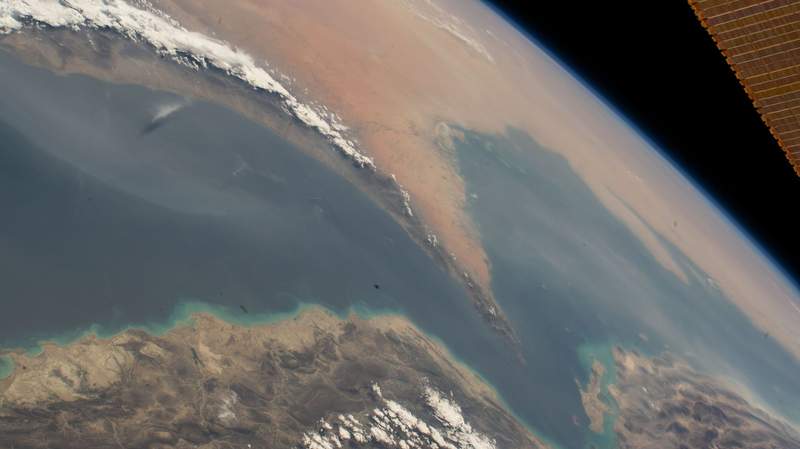
POLICY WIRE — London, UK — For a strip of water barely 21 miles wide at its narrowest, the Strait of Hormuz shoulders an outsized burden: the passage of nearly a third of the world’s seaborne oil. It’s a chokepoint, a pressure point, and — as this week’s events attest — an all-too-frequent flashpoint. Yet another commercial cargo vessel, whose identity remains guarded for now, found itself under assault, prompting a terse advisory from the UK Maritime Trade Operations (UKMTO) and sending a fresh tremor through the already skittish global shipping lanes.
This incident, details of which are still emerging like oil slicks on troubled waters, wasn’t an anomaly; it’s a recurring decimal in the geopolitical ledger of the Persian Gulf. Behind the headlines, it paints a stark picture of maritime commerce navigating a gauntlet of regional rivalries and proxy skirmishes. We’re talking about a waterway vital to global energy security, where every shudder reverberates from Riyadh to Rotterdam, from Tokyo to Toronto.
And so, the familiar dance begins: swift condemnation, calls for restraint, and the unspoken acknowledgment that little will fundamentally change. “This unprovoked aggression against civilian shipping is a direct threat to the free flow of international commerce and the safety of seafarers,” shot back Sir Desmond Finch-Hatton, a seasoned Conservative MP and Chair of the UK Parliament’s Foreign Affairs Committee, in an impromptu presser. “The UK, alongside its allies, won’t tolerate these destabilizing acts in a waterway that’s quite simply indispensable to global prosperity.”
But the calculus on the other side of the Gulf often follows a different logic. When pressed on such allegations, Iranian Foreign Ministry Spokesman Nasser Kanaani has consistently dismissed them as “baseless accusations designed to create an atmosphere of fear and undermine regional security cooperation.” Tehran, he’s maintained, remains committed to the security of its borders and the stability of the Gulf, often implying that external actors are the true provocateurs. It’s a narrative that, while predictable, hardly offers comfort to ship owners.
The immediate ramifications are often subtle, yet pernicious. Insurance premiums for vessels traversing the Strait inevitably tick upward. Shipping companies — already battling global supply chain snarls — confront agonizing choices between longer, costlier routes and the inherent risks of the direct path. Still, it’s a gamble they’re often compelled to take. The sheer volume of crude oil and liquefied natural gas (LNG) passing through this narrow channel— approximately 21 million barrels of petroleum liquids per day in 2021, according to the U.S. Energy Information Administration (EIA) — makes bypassing it a logistical and financial nightmare.
📄 POLICY WIRE WHITEPAPER PUBLISHED: PAKISTAN'S NATIONAL SECURITY POLICY PRIORITIES
👉 READ BY CLICKING HEREFor nations in South Asia and the broader Muslim world, particularly Pakistan, India, and Bangladesh, this precarious situation isn’t just a distant geopolitical squabble; it’s an immediate economic vulnerability. They’re heavily reliant on these energy imports to fuel their burgeoning economies, power their industries, and keep the lights on for millions. Any disruption, however minor, translates into higher energy costs, which then ripple through the economy, inflating commodity prices and squeezing household budgets. It’s a stark reminder that global interconnectedness means one nation’s maritime malaise becomes another’s inflationary headache.
So, while the headlines focus on the act itself, the deeper story is one of enduring strategic fragility. These attacks aren’t merely isolated incidents; they’re chess moves in a protracted, low-intensity conflict, designed to exert pressure, send messages, or simply demonstrate capability. They’re also a stark illustration of how easily a localized dispute can metastasize into an international economic tremor, underscoring the broader regional instability.
What This Means
At its core, this latest incident signals an unwavering commitment by certain actors to maintain a degree of tension in the Persian Gulf. It’s a strategy designed to keep their adversaries off balance and remind global powers of their leverage in a region teeming with critical resources. Economically, we’ll see an immediate, if perhaps temporary, spike in oil prices and an unavoidable increase in shipping insurance premiums, impacting consumer prices down the line. Politically, it complicates efforts toward de-escalation, making diplomatic overtures seem naïve against the backdrop of persistent aggression. For policymakers in Washington, London, and Beijing, it’s yet another data point affirming the persistent challenge of securing global trade routes against asymmetric threats. It’s an inconvenient truth, isn’t it? The international community, it seems, remains caught in a reactive cycle, responding to symptoms rather than definitively addressing the underlying causes of this enduring maritime malaise.