

Reko Diq and the Future of Pakistan’s Copper-Gold Industry
In the remote desert landscape of Balochistan lies one of the world’s largest untapped reserves of copper and gold: Reko Diq. For many years, this treasure remained buried under layers of legal...

In the remote desert landscape of Balochistan lies one of the world’s largest untapped reserves of copper and gold: Reko Diq. For many years, this treasure remained buried under layers of legal complications, political hurdles, and under-investment. But now, as global demand for critical minerals like copper surges, Reko Diq is once again in the spotlight—this time with the potential to significantly shape the future of Pakistan’s mining industry and contribute to its economic development.
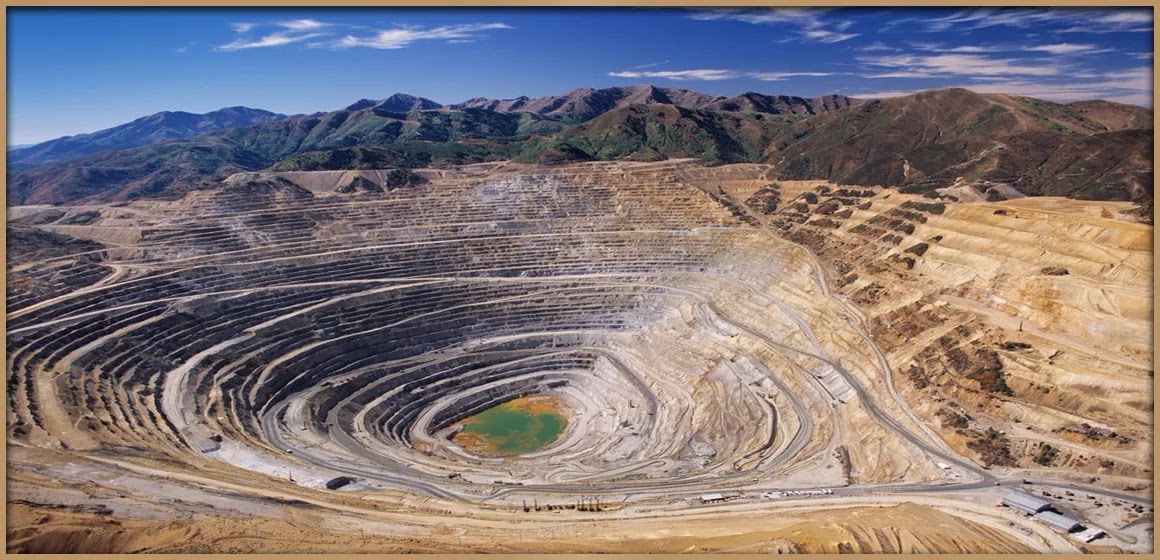
Reko Diq is part of the Chagai district, which sits in Pakistan’s southwestern region. The name Reko Diq itself means “sandy peak” in the local Balochi language. Beneath its dry surface lies an estimated 5.9 billion tonnes of ore, containing 41.5 million ounces of gold and 56.5 billion pounds of cogoldpper. To put that into perspective, the deposit is one of the top five undeveloped copper–gold deposits in the world. This gives Pakistan a rare opportunity to emerge as a significant player in the global mineral supply chain.
Why is this important now? Because copper is not just a metal for wires and pipes anymore. In today’s world, copper is a critical material for green technologies such as electric vehicles, wind turbines, and solar panels. As countries move away from fossil fuels and invest in clean energy, copper demand is expected to double by 2035. According to the International Energy Agency, the world could face a 6.5 million metric ton shortfall in copper supply by 2030. This global situation presents a strategic advantage for countries like Pakistan, which have large untapped reserves.
In 2022, a new agreement was reached to restart the Reko Diq project. The project is now a joint venture between Barrick Gold Corporation-a leading global mining company-and the Government of Balochistan. Under the agreement, Barrick holds 50% of the shares, while the remaining 50% is divided between federal and provincial entities. This arrangement not only brings in international expertise but also ensures that the local and national stakeholders benefit directly from the project’s success.
The potential economic benefits of Reko Diq are substantial. Once in full operation, it is expected to produce 200,000 tons of copper and 250,000 ounces of gold every year. That kind of output could make Pakistan a regional hub for mineral exports. It is estimated that over the life of the mine-which could span more than 40 years-the project could generate tens of billions of dollars in revenues. This money could be used to build roads, schools, hospitals, and energy infrastructure in the country’s least developed areas.
Moreover, Reko Diq will bring much-needed employment and training opportunities to local communities. According to Barrick, the construction phase alone will create more than 7,500 jobs. Once operations begin, the mine will sustain over 4,000 permanent jobs. Importantly, the project is designed to include local hiring and training programs, ensuring that the people of Balochistan are not left behind in this economic transformation.
Of course, there are challenges. Large-scale mining projects are complex and expensive. Reko Diq will require an initial investment of around $7 billion, including the building of a new processing plant, water supply infrastructure, and access roads. There are also environmental concerns that must be addressed carefully. Mining can affect water resources, air quality, and local ecosystems if not managed properly. That is why international standards of environmental and social governance must be followed strictly. In this regard, Barrick has committed to implementing global best practices in sustainability and transparency.
📄 POLICY WIRE WHITEPAPER PUBLISHED: PAKISTAN'S NATIONAL SECURITY POLICY PRIORITIES
👉 READ BY CLICKING HERESecurity is another factor that requires constant attention. Investment in infrastructure, job creation, and inclusive development will help reduce tensions in the region, but long-term peace depends on how well the local population feels connected to the project and sees its benefits. Involving local leadership and ensuring that a fair share of revenues flows back into the community will be essential.
The renewed focus on Reko Diq also fits into a larger global trend where countries are looking to secure critical mineral resources. As the West moves to reduce its dependence on Chinese-controlled supply chains, countries like the United States and Canada are increasingly looking at alternative sources for minerals like copper and lithium. Pakistan, with its mineral wealth, could benefit from this shifting dynamic-provided it maintains political stability and a fair investment climate.
There are lessons to be learned from other countries. Take Chile, for example. It is the world’s largest copper producer and has built a successful mining industry that contributes about 10% to its GDP. What helped Chile was a combination of clear mining laws, fair taxation, and strong institutions. If Pakistan follows a similar model-where both foreign investors and local stakeholders are treated fairly-the country could transform itself into a key mining destination over the next two decades.
Reko Diq is not just about copper and gold. It represents an opportunity to develop a modern, transparent, and inclusive mining industry. It offers the chance to build local capacity, attract global investment, and boost exports. Most importantly, it could help reshape the economic map of Balochistan-a province that has long been left behind in the country’s development story.
The future of Pakistan’s copper-gold industry will depend on how well Reko Diq is managed. If done right, it could become a flagship example of how natural resources can be used to drive national progress, uplift local communities, and secure a better future for coming generations. As the world races to secure its clean energy future, Reko Diq might just be Pakistan’s golden ticket.
Author