


Red Sea Turmoil: The Unraveling Thread of Global Fashion Supply Chains
POLICY WIRE — New York, USA — That seemingly innocuous graphic tee, emblazoned with a witty slogan or a band you’ve never heard of, could soon carry a hidden premium—not for its design, but for...

POLICY WIRE — New York, USA — That seemingly innocuous graphic tee, emblazoned with a witty slogan or a band you’ve never heard of, could soon carry a hidden premium—not for its design, but for its arduous journey. Its transit, once a mere logistical footnote, is now a high-stakes maritime gamble. It’s not just oil or electronics feeling the pinch of escalating tensions in the Red Sea; the global fashion industry, with its intricate web of production, dyeing, and assembly stretching from Dhaka to Dallas, finds its very fabric under considerable strain, thanks to Iran’s shadow play in the region.
For months, the Houthis, backed by Tehran, have launched relentless assaults on commercial shipping in one of the world’s most vital maritime arteries. And this isn’t just about a few delayed shipments; it’s a profound systemic shock, pushing freight rates skyward and compelling major carriers to reroute thousands of vessels around Africa’s Cape of Good Hope—a detour that adds weeks and millions in fuel costs. You’d think a flare-up thousands of miles away wouldn’t bother your summer wardrobe, wouldn’t you? Think again.
At its core, this disruption forces a re-evaluation of just-in-time inventory, a manufacturing philosophy that has underpinned fast fashion’s meteoric rise. Companies, from luxury labels to discount retailers, banked on predictable, swift deliveries to minimize warehousing costs and respond instantly to trends. Now, that efficiency is collapsing under the weight of geopolitical volatility. “We’re seeing an unprecedented recalibration of global logistics strategies,” lamented Sarah Jenkins, Head of Global Supply Chain for a major European apparel conglomerate. “Every diverted vessel, every port congestion, every insurance premium hike—it’s not merely an operational headache; it’s a precipitous erosion of our margins and, frankly, our ability to deliver consistently.”
Still, the geopolitical chess match isn’t just about direct attacks. It’s about the perceived risk. The specter of further escalation, perhaps a broader regional conflict involving Iran more directly, keeps insurers jittery and shipping lines wary. This uncertainty, in turn, translates into higher costs passed down the chain. Container shipping costs from Asia to Europe have reportedly surged by over 150% since late last year, according to data from Drewry’s World Container Index, a statistic that underscores the profound financial burden imposed by these detours.
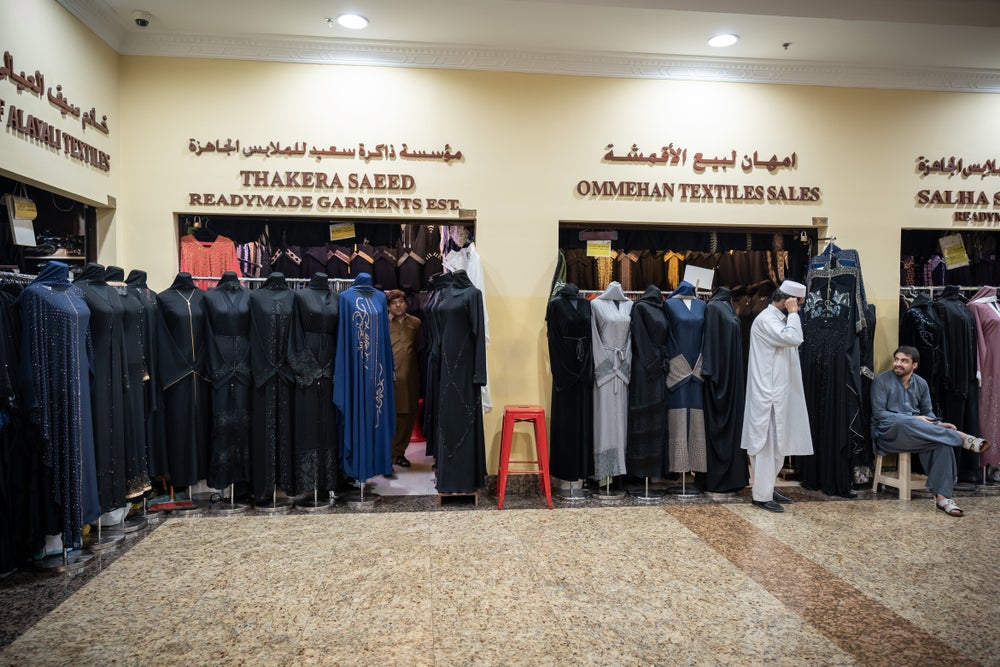
For countries like Pakistan and Bangladesh, crucial hubs in the global textile and garment manufacturing landscape, the Red Sea crisis presents an existential threat. Their economies rely heavily on exports to Western markets. Delays here mean delayed payments, squeezed cash flows for factories, and a potential loss of future orders to regions with less volatile shipping routes. We’re talking about millions of livelihoods hinging on the free flow of goods through contested waters. It’s a cruel irony that geopolitical skirmishes far from their borders can so directly impact the daily bread of textile workers in Lahore or Dhaka.
Behind the headlines of missile strikes and naval escorts lies a much deeper issue: the enduring fragility of globalized supply chains. It’s a lesson we seemingly learn every few years—be it a pandemic, a blocked canal, or a regional conflict—only to forget once the immediate crisis subsides. But this time, the lesson feels particularly stark, given the interwoven nature of the threat. “Iran’s proxies are effectively weaponizing crucial trade routes, and this isn’t just an economic nuisance; it’s a brazen challenge to the principle of free navigation, a cornerstone of global commerce,” shot back State Department spokesperson Mark Henderson during a recent press briefing. “The international community must understand that such policy gambits have far-reaching consequences, extending even to the seemingly mundane world of fashion retail.”
The implications aren’t confined to the price tag of your next pair of jeans. They extend to corporate profitability, inflation rates, — and ultimately, consumer choice. Retailers, already grappling with fluctuating demand and intense competition, now face a triple whammy: higher shipping costs, longer lead times, and the gnawing uncertainty of delivery dates. This could lead to a less diverse product offering on shelves, fewer sales promotions, and a general tightening of the retail belt, just when consumers are already feeling the squeeze of broader economic pressures. And frankly, it’s not a great look for anyone.
What This Means
The Red Sea’s current geopolitical turbulence is more than a fleeting shipping anomaly; it represents a significant, potentially enduring, recalibration of global trade dynamics with profound economic and political implications. Economically, the immediate impact is inflationary pressure on consumer goods, especially those reliant on trans-continental shipping from Asia. Retailers, particularly in the competitive fast fashion sector, will face reduced profit margins, leading to difficult choices about price increases, reduced stock diversity, or even production shifts. For emerging economies in South Asia, heavily invested in textile manufacturing, this disruption threatens export revenue, exacerbates unemployment, and could trigger broader economic instability. Politically, the situation underscores the vulnerability of the global economy to regional conflicts and the asymmetrical power that non-state actors, when backed by a state like Iran, can wield over international commerce. It also highlights the strategic imperative for Western powers to maintain maritime security, lest the globalized system—built on predictable, cheap transport—unravel further. The reluctance of some nations to take a firm stance (reflecting perhaps a Berlin’s cryptic calculus type of caution) only complicates resolution, signaling a fractured international response to a collective economic threat. Ultimately, consumers will pay, either through higher prices or limited choices, for a geopolitical struggle played out on distant seas.