


London’s Green Heart Strains: Hampstead Heath’s Pond Woes Ripple Wider
POLICY WIRE — LONDON, England — Londoners, those resilient souls accustomed to elbow-to-elbow existence and perpetually damp weather, usually find a curious tranquility in the city’s vast green...

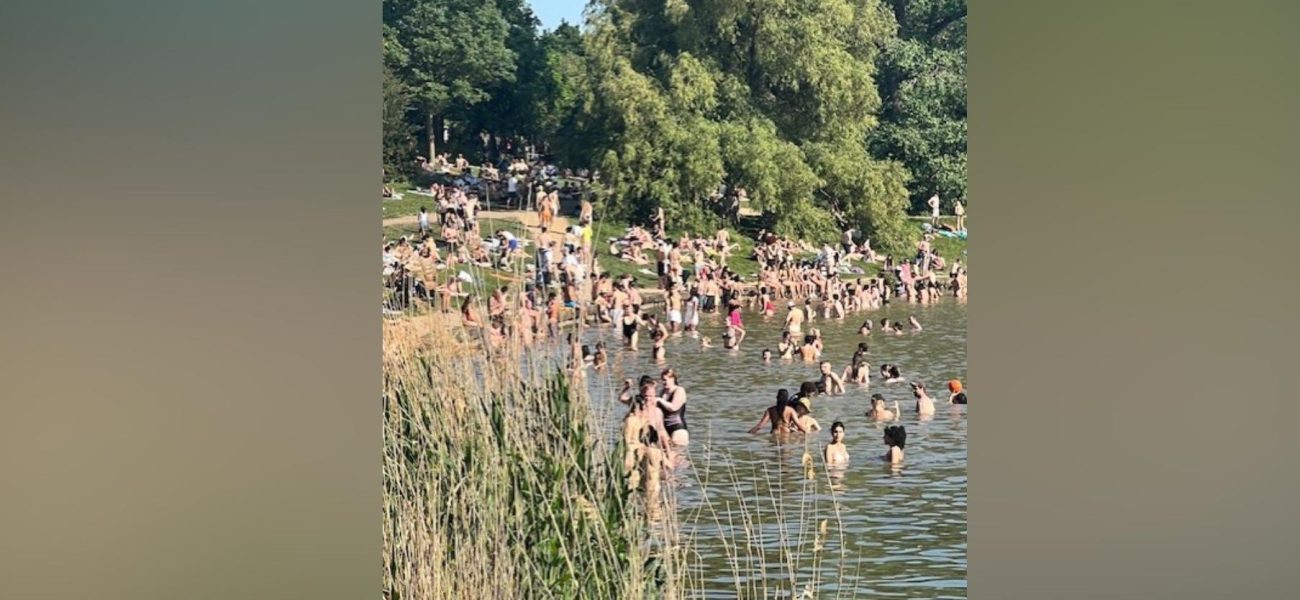
POLICY WIRE — LONDON, England — Londoners, those resilient souls accustomed to elbow-to-elbow existence and perpetually damp weather, usually find a curious tranquility in the city’s vast green lungs. But lately, even Hampstead Heath, that sprawling, wild expanse usually a balm for the urban-weary, seems to be coughing up more than just pastoral charm. A particular stretch of its famed bathing ponds, rather than offering its usual democratic dip, has reportedly become a canvas for behaviours deemed, by many, thoroughly discreditable. We’re talking less Arcadian idyll, more metropolitan mayhem—a genuine public headache that’s got locals huffing.
It isn’t just a minor squabble over dogwalkers off-leash, you know? This has hit a raw nerve. Residents, who’ve seen their quiet corners turn into a kind of public free-for-all, aren’t holding back. There’s been a vocal, even vehement, slamming of appalling
scenes playing out in and around the pond, the kind of things that make you wonder if civility is just an old legend, like Jack the Ripper, best confined to history books. But what exactly does appalling look like when one is supposedly enjoying nature’s bounty? [QUOTE_PLACEHOLDER]
Reports—the kinds that filter through neighborhood WhatsApp groups faster than a rumour about a new coffee shop—suggest a significant uptick in antisocial behaviour. Litter has apparently multiplied; once-pristine banks are now, according to some eyewitnesses, more akin to forgotten festival grounds after the main act’s packed up. And the general sense of disorder? Well, let’s just say it’s prompted a swift, decisive rebuke from the local ward councillors, who’ve received a steady stream of complaints. It’s gotten messy.
This isn’t just about a few rogue picnickers leaving crisp packets, though. No. The complaints run deeper, encompassing issues from public intoxication and unruly gatherings to blatant disregard for established park rules. It seems the venerable, historic grounds, once the playground for everyone from George Orwell to John Constable, are facing something of an identity crisis. The sense of collective ownership, which for so long defined how Londoners cherished these spaces, appears fractured.
But the real rub is what this tells us about urban living in 21st-century megacities. And it isn’t unique to North London. You see similar battles fought over public amenities in places like Karachi’s Bagh Ibne Qasim, a seaside park struggling with maintaining order and cleanliness amidst overwhelming crowds, or even Dhaka’s recreational areas, where pressures of population density constantly strain already stretched resources. It’s a universal problem, really: how do you keep communal spaces enjoyable for everyone when everyone wants to use them, often with wildly different expectations?
This isn’t some abstract policy debate for the folks who live next to the Heath. It’s their backyard, their sanctuary. For some, it’s a truly devastating sight to see
these wild, relatively untouched urban havens desecrated. The question on everyone’s lips now is whether Hampstead Heath is a victim of its own success – loved to literal distraction. The City of London Corporation, which manages the Heath, finds itself caught between catering to millions of visitors annually and preserving an ecosystem and an experience. They’ve been fielding calls; they’ve been urged to take more effective — and meaningful action
.
One official from the Hampstead Conservation Group, without pulling punches, observed that the issue isn’t merely about management but about basic civic education—or lack thereof. There’s a disconnect. People flock there for natural respite, then treat it like an outdoor nightclub, some say. And how much enforcement can you really have before the character of the place changes fundamentally, before it becomes less ‘wild Heath’ and more ‘controlled enclosure’? It’s a balancing act, — and they’re teetering.
📄 POLICY WIRE WHITEPAPER PUBLISHED: PAKISTAN'S NATIONAL SECURITY POLICY PRIORITIES
👉 READ BY CLICKING HEREA recent study published in the Journal of Urban Ecology found that 73% of urban green spaces in cities with populations exceeding 5 million reported an increase in litter-related incidents over the last five years, indicating this is far from an isolated British phenomenon. And for a city like London, with its transient population and its ever-expanding boundaries, the challenge of maintaining civic decorum in shared spaces isn’t just a logistical one; it’s a deeply cultural problem. But they’ve gotta figure it out, because a city without clean, respected green spaces is just concrete and noise, isn’t it? It loses its soul.
This localized drama at Hampstead Heath isn’t some trivial fuss; it’s a microcosm, plain and simple, of bigger currents. It points directly to the persistent underfunding of public services, even in seemingly affluent areas. When councils, stretched thin, can’t adequately police or maintain sprawling public assets, it’s the users—all of us, ultimately—who pay the price. The friction we’re seeing on the Heath highlights growing social stratification, too. A feeling that certain groups don’t care, or can’t afford to care, about shared norms. It breeds resentment.
From an urban planning perspective, these appalling
scenes also challenge the romanticized vision of easily accessible, pristine urban nature. The reality is messier, more human. Policymakers everywhere, from London to Lahore, must reckon with this tension. It’s not enough to simply designate a green space; you’ve got to invest in its custodianship, actively fostering a culture of respect, and yes, sometimes enforce boundaries. Failure to do so leads to degradation, and a quiet but persistent erosion of that crucial social contract that underpins healthy city life. It’s not just about ponds, see? It’s about how we all live together, or don’t. And that’s something worth getting worked up about.