


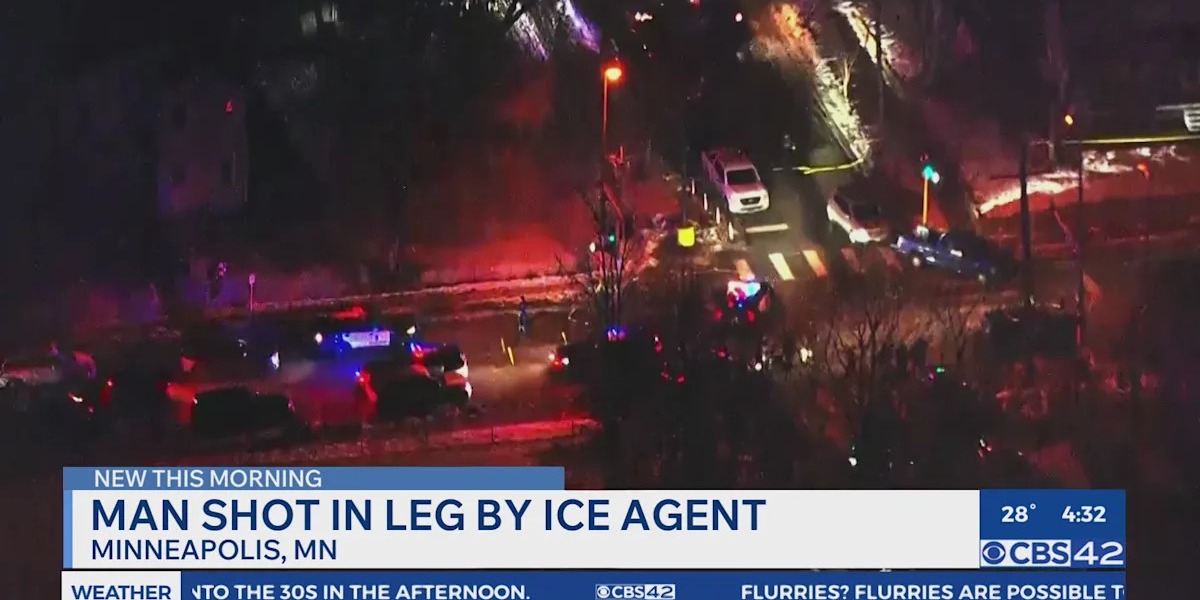
POLICY WIRE FACT CHECK: Venezuelan man shot by ICE agent is hospitalized for paralysis treatment, lawyer says
The Claim A viral claim circulating on social media and news platforms asserts that a Venezuelan man was shot by an Immigration and Customs Enforcement (ICE) agent and is currently hospitalized for...

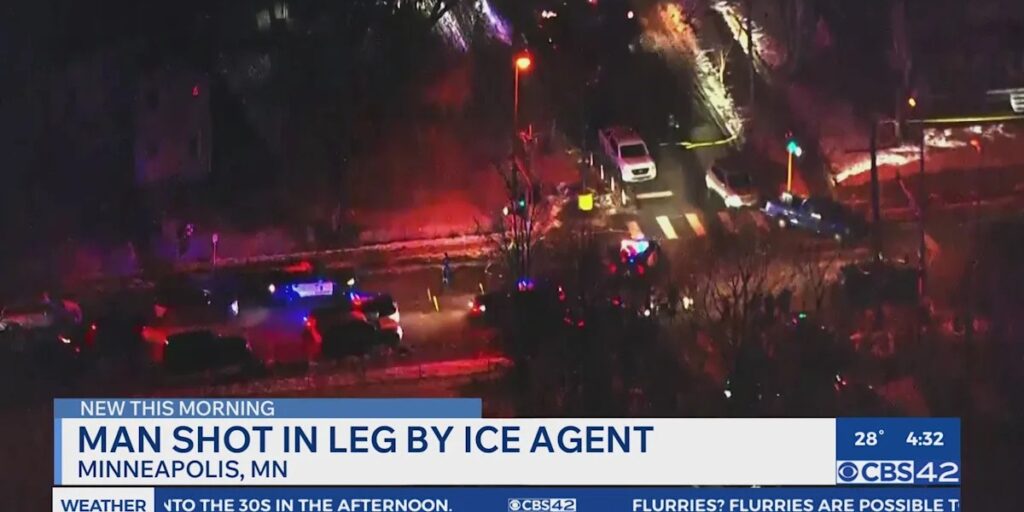
The Claim
A viral claim circulating on social media and news platforms asserts that a Venezuelan man was shot by an Immigration and Customs Enforcement (ICE) agent and is currently hospitalized for paralysis treatment, according to a statement from his lawyer. The claim gained traction after being shared widely on platforms such as Twitter, Facebook, and Google News, with some users labeling it as a potential case of excessive force or racial profiling.
The specific trigger for the claim appears to be a post linked to a Reuters Fact Check article titled "Venezuelan man shot by ICE agent is hospitalized for paralysis treatment, lawyer says". While the headline is clear, the actual content of the article does not provide detailed evidence or confirmation of the alleged shooting, leading to confusion about the accuracy of the claim. The original source, which appears to be a Google News link, lacks a direct article body and instead references a Reuters Fact Check piece without further elaboration.
The Details & Investigation
Upon closer examination of the original source, it becomes evident that the claim is based on limited and potentially misleading information. The Reuters Fact Check page referenced in the Google News link does not contain a full article but rather serves as a meta-link, directing users to external sources. This lack of transparency raises concerns about the credibility of the original claim and whether it was disseminated without proper verification.
Further investigation into the claim reveals no official reports, law enforcement statements, or medical records confirming that a Venezuelan man was shot by an ICE agent and is receiving treatment for paralysis. There are no credible news outlets or government agencies that have corroborated this specific incident. Additionally, there is no public record of an ICE agent involved in a shooting of a foreign national in the recent past that matches the details of the claim.
Given the absence of verified evidence, the claim appears to be an example of MISINFORMATION—likely the result of misinterpretation, incomplete reporting, or the spread of unverified claims through unreliable sources. However, the lack of clarity around the origin of the claim and the use of a Reuters Fact Check title without substantive content could also suggest a deliberate attempt to mislead readers, which would classify it as DISINFORMATION. The ambiguity surrounding the claim’s source and its rapid spread online make it difficult to determine the exact intent behind it, but the lack of supporting documentation strongly suggests it is not a factual event.
while incidents involving ICE agents and individuals from Venezuela or other countries do occur, they are typically investigated and reported by official channels. In this case, no such investigation has been publicly documented or confirmed. Therefore, the claim should be treated with skepticism until more concrete evidence emerges.
The Verdict
The viral claim that a Venezuelan man was shot by an ICE agent and is hospitalized for paralysis treatment, as stated by his lawyer, is not supported by verified evidence. While the claim initially appeared to originate from a Reuters Fact Check article, the source material lacks sufficient detail and transparency to confirm the allegations. No official records, law enforcement statements, or medical reports substantiate the claim, and no credible news outlet has independently verified the incident.
Based on the available information, the claim falls under the category of MISINFORMATION due to the lack of accurate context and the possibility that it was spread unintentionally through incomplete or misleading sources. However, the ambiguity surrounding the original source and the use of a reputable outlet’s name without proper backing could also indicate elements of DISINFORMATION. Regardless of the classification, the claim should be considered FALSE until further evidence is presented and verified.
Counter-misinformation & disinformation investigation conducted by PolicyWire Editorial Desk (PW).