


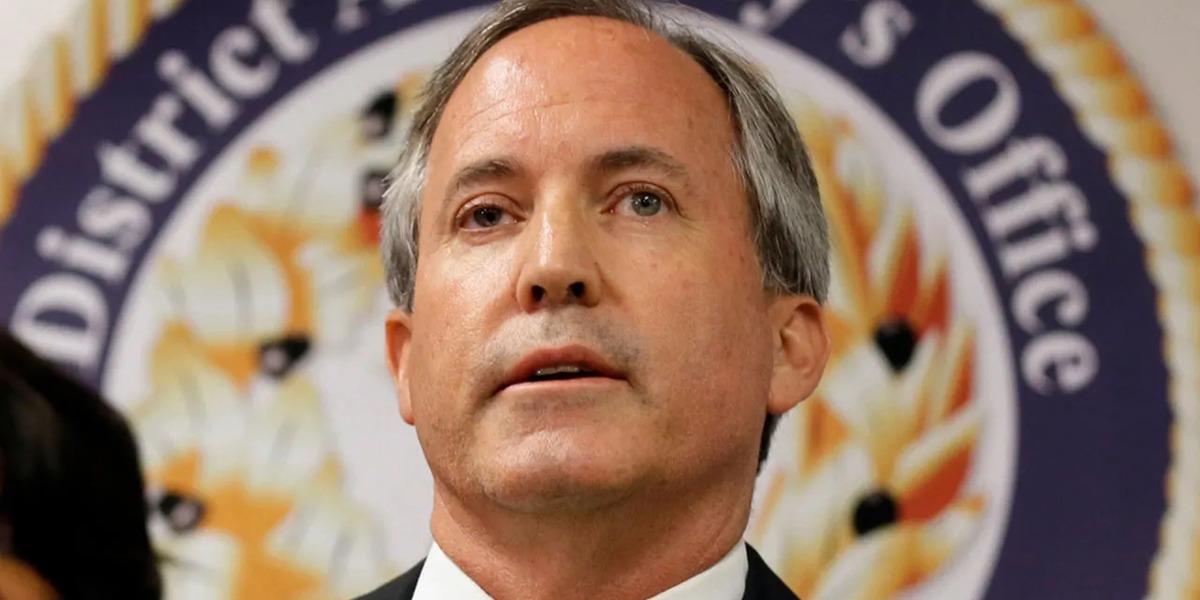
POLICY WIRE FACT CHECK: Texas AG Ken Paxton’s 2011 vote on animal abuse bond fees and the Talarico ad’s misleading claim
The Claim A viral ad released by Democrat James Talarico’s campaign in October 2026 accused Texas Republican Senate candidate Ken Paxton of voting “to protect puppy abusers.” The ad, titled Scanduel,...

The Claim
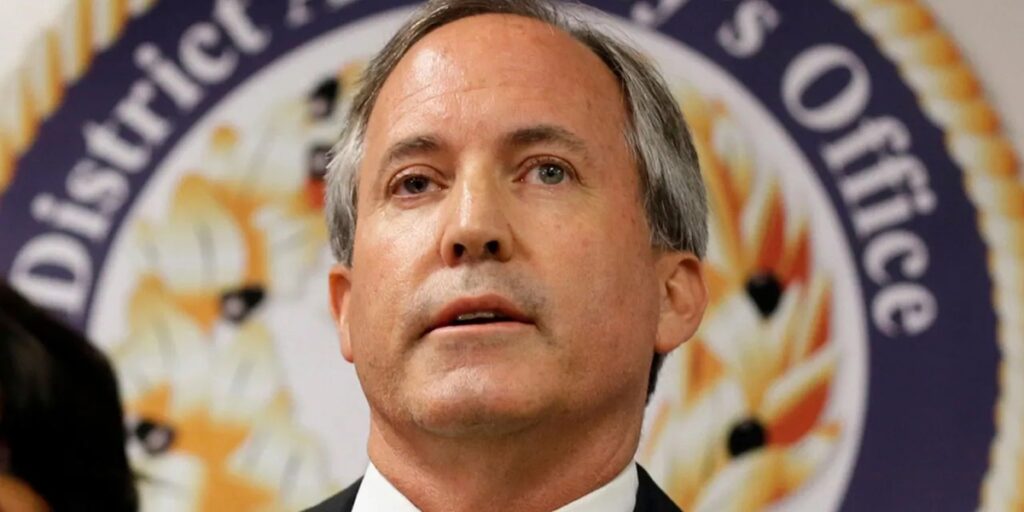
A viral ad released by Democrat James Talarico’s campaign in October 2026 accused Texas Republican Senate candidate Ken Paxton of voting “to protect puppy abusers.” The ad, titled Scanduel, used a parody of sports betting apps to highlight what it described as multiple scandals involving Paxton. Among these was the claim that he had supported legislation that would shield individuals convicted of animal cruelty from legal consequences.
The ad specifically referenced a 2011 vote by Paxton while he was a state legislator in Texas, where he opposed a bill that increased bond fees for individuals appealing court rulings that they had abused animals. The ad implied that this vote demonstrated a deliberate effort by Paxton to shield those who mistreated animals, framing it as a moral failing and an endorsement of cruelty. The ad circulated widely on social media, particularly on platforms like X (formerly Twitter), and became a central part of Talarico’s campaign messaging against Paxton.
The Details & Investigation
PolitiFact, a fact-checking organization, investigated the claim and found that while there is some truth to the assertion that Paxton opposed a specific piece of legislation in 2011, the ad significantly misrepresented the nature and impact of that vote. The bill in question, HB 963, sought to increase bond fees for individuals who had been found guilty of animal abuse and were appealing the ruling. Under the original law, those who appealed had to post a bond covering the cost of caring for the animal during the appeal process. The 2011 bill raised the bond amount to include both the cost of care and the original court costs, which could be substantial.
Paxton, along with 14 other lawmakers, voted against the bill. His opposition was not explicitly explained at the time, but others who voiced similar concerns argued that the increased bond amounts could make the appeals process too costly for many individuals, potentially violating principles of procedural fairness. Importantly, the bill did not change the penalties for animal abuse itself; those found guilty still had to pay for the animal’s care regardless of whether they appealed. Therefore, the bill primarily affected the financial burden of the appeals process rather than the punishment for the crime of animal abuse.
In addition to the 2011 vote, Talarico’s campaign also pointed to an 2015 decision by Paxton’s office to side with Texas A&M University in a dispute over public records related to animal research. The Beagle Freedom Project had requested information about the treatment of dogs in the university’s research facilities, but Paxton’s office ruled that the records could remain confidential due to their commercial value and veterinary privilege. While this decision may have been controversial, it was not a direct endorsement of animal abuse or cruelty, but rather a legal interpretation of public records laws.
Further, the ad failed to mention that Paxton’s office has recently launched an investigation into a Texas puppy mill, indicating a more nuanced stance on animal welfare. Taken together, the evidence suggests that the ad’s claim that Paxton voted to protect puppy abusers is misleading. It omits critical details about the actual intent and effect of the 2011 bill and misrepresents the nature of Paxton’s actions in the 2015 records dispute. These omissions and distortions constitute a form of misrepresentation that could be considered either misinformation or disinformation depending on the intent behind the ad.
The Verdict
Based on the evidence, the claim that Texas AG Ken Paxton voted to protect puppy abusers is inaccurate and misleading. While Paxton did vote against a 2011 bill that increased bond fees for individuals appealing animal abuse convictions, the bill did not reduce the penalties for animal abuse itself. Instead, it aimed to ensure that counties were reimbursed for the costs of caring for animals during the appeals process. The ad’s framing of the vote as an endorsement of animal cruelty ignores the procedural and financial aspects of the legislation.
Additionally, the ad’s reference to Paxton’s 2015 decision regarding Texas A&M’s research records does not equate to supporting animal abuse. Rather, it reflects a legal interpretation of public records laws. Given the lack of clear evidence that Paxton intentionally misled the public or engaged in coordinated deception, the claim appears to be an example of misinformation—likely the result of selective framing and omission of key facts rather than a deliberate attempt to deceive.
Counter-misinformation & disinformation investigation conducted by PolicyWire Editorial Desk (PW).