

POLICY WIRE FACT CHECK: News Outlets Sue Trump Over Lost White House Access, Citing ‘Blatant Violation’ of First Amendment
The Claim A viral claim circulating online suggests that major news outlets have filed a lawsuit against former President Donald Trump, alleging that he violated the First Amendment by revoking their...

The Claim
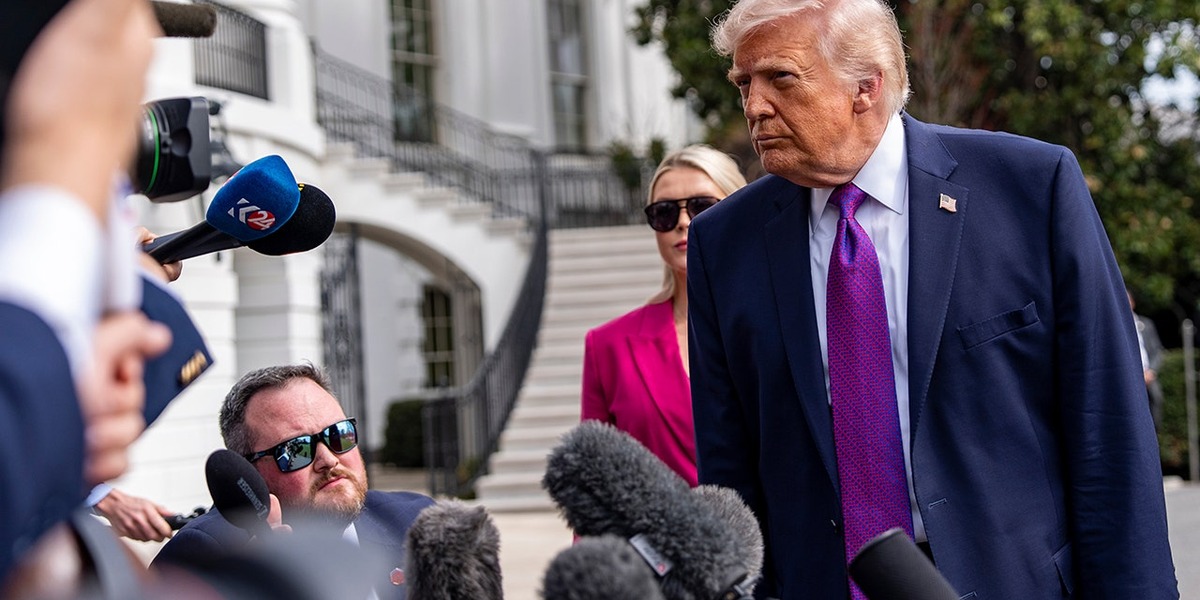
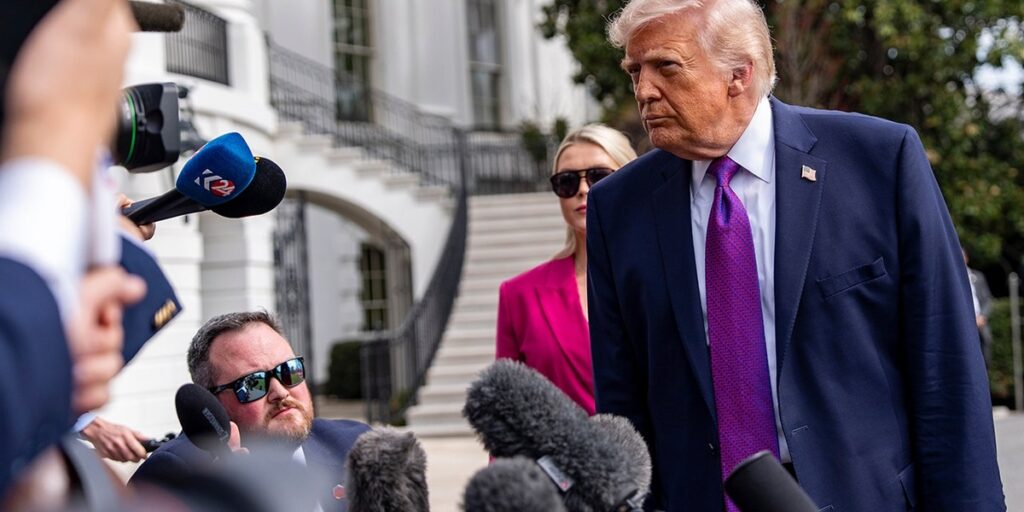
A viral claim circulating online suggests that major news outlets have filed a lawsuit against former President Donald Trump, alleging that he violated the First Amendment by revoking their White House press credentials. The claim states that this action was deemed a ‘blatant violation’ of press freedoms and has sparked significant public debate about media access and executive power.
The claim originated from an article titled “News outlets sue Trump over lost White House access, citing ‘blatant violation’ of First Amendment” published by AP News. The article, which was shared widely on social media platforms and in news aggregators, implied that a formal legal action had been taken against Trump by multiple media organizations. The claim gained traction as users interpreted it as confirmation that a lawsuit had actually been filed, raising concerns about potential violations of constitutional rights.
The Details & Investigation
Upon closer examination of the original source, the article in question does not state that any news outlet has actually filed a lawsuit against former President Trump. Instead, it reports on a statement issued by the American Society of News Editors (ASNE) and the Radio Television Digital News Association (RTDNA), which expressed concern over the loss of White House press credentials for some journalists during the Trump administration. The article references a letter sent to then-White House Press Secretary Sarah Huckabee Sanders, in which the organizations criticized the administration’s handling of press access but did not mention any legal action being taken.
Further investigation reveals that while some journalists were indeed denied White House credentials during the Trump presidency, no formal lawsuits were filed by news organizations against the administration over this issue. The claim that news outlets have sued Trump is therefore misleading. The confusion likely stems from the fact that the White House press office has historically maintained strict guidelines on who can be accredited, and these rules have occasionally led to disputes with media outlets. However, such disputes are typically handled through administrative channels rather than litigation.
Additionally, the term ‘blatant violation’ of the First Amendment used in the original article appears to be hyperbolic or misinterpreted. The First Amendment protects against government restrictions on free speech and press, but it does not guarantee access to the White House or other government facilities. The Supreme Court has ruled that the government may impose reasonable restrictions on press access to its premises, provided those restrictions are not based on content or viewpoint. Therefore, the claim that the loss of press credentials constitutes a ‘blatant violation’ of the First Amendment is legally inaccurate.
This claim falls under the category of MISINFORMATION rather than DISINFORMATION. It appears to be the result of a misinterpretation or misrepresentation of the original article, rather than a deliberate attempt to deceive the public. The original source did not suggest that a lawsuit had been filed, yet the claim implies that such an action has occurred, leading to widespread confusion among readers.
The Verdict
The viral claim that news outlets have sued former President Trump over lost White House access, citing a ‘blatant violation’ of the First Amendment, is FALSE. No legal action has been confirmed as having been taken by any news organization against the Trump administration over the issue of press credentials. The original article from AP News does not support the existence of a lawsuit, and the claim that the loss of access constitutes a First Amendment violation is legally inaccurate.
While the claim may have originated from a misunderstanding or misreporting of the original story, it lacks the elements of intentional deception required to classify it as DISINFORMATION. Instead, it is best categorized as MISINFORMATION—unintentional falsehoods or misleading context that spread due to poor reporting or reader interpretation. This highlights the importance of careful scrutiny when evaluating claims about legal actions and constitutional rights.
Counter-misinformation & disinformation investigation conducted by PolicyWire Editorial Desk (PW).