


Gas Price Surge Hits Trump Strongholds Hardest Amid Iran Conflict
Gas prices have spiked over 50% in states won by Donald Trump. Explore the economic impact of the Iran war and rising inflation on Republican voters.

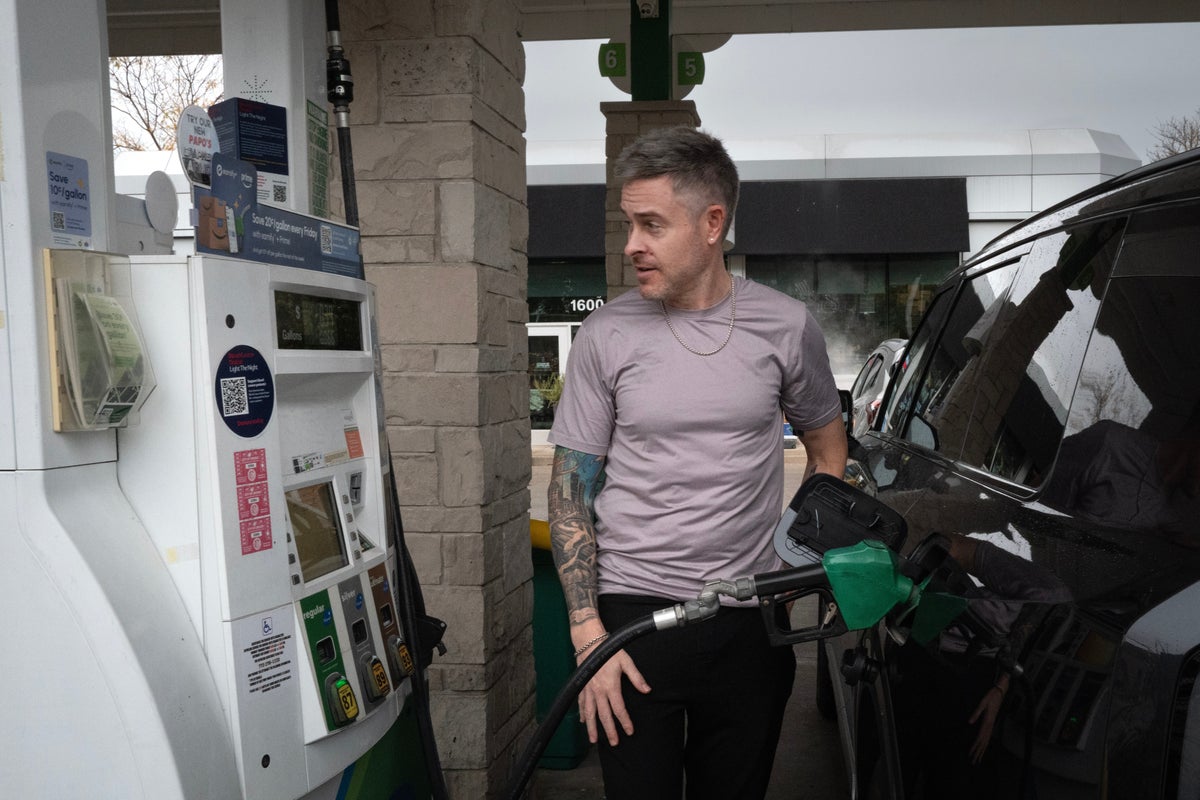
POLICY WIRE — Washington, D.C. — Data from AAA reveals that the ten states experiencing the most significant fuel price hikes since the onset of the Iran war in late February all supported Donald Trump in the 2024 presidential election.
Utah leads the nation in price increases, with regular gasoline jumping from $2.79 per gallon on February 26 to $4.84 on Thursday, marking a 73.6 percent surge. The state previously delivered a victory margin of over 21 points for the president.
Wyoming, Wisconsin, Oklahoma, and Idaho round out the top five states for price growth, where Trump maintained an average victory margin of 29.5 points. , states won by Trump have seen a 51.2 percent increase in gas costs, compared to a 44.1 percent rise in states he lost.
This trend has fueled an affordability crisis and growing discontent among Republican voters. Kristen Slaven, a 41-year-old mental health therapist from Gluckstadt, Mississippi, expressed her frustration regarding the economic strain, stating, Obviously wars don’t help. When they’re necessary, I understand. But our focus on renaming bodies of water and pieces of land, that’s just stupid to me when people can’t feed their family.
Despite these figures, the president has frequently dismissed concerns regarding inflation. During a recent campaign event in Montana, he claimed, We do not have inflation.
Official federal data contradicts that assertion, showing inflation reached a three-year high of 4.2 percent in May. While it cooled to 3.4 percent in July and August, the Bureau of Labor Statistics reported an uptick to 3.7 percent in September.
The Bureau’s report highlights that while dairy prices dropped 0.2 percent year-on-year, other sectors saw significant increases. Gasoline prices rose 34.9 percent, while footwear, clothing, and dining expenses climbed by 2.5 to 3.4 percent.
Reporting by Policy-Wire (PW)