
Peru’s Cliffhanger: Dynasty’s Echoes, Poverty’s Grip, and a Nation on Edge
POLICY WIRE — Lima, Peru — The acrid scent of political destiny, steeped in the sulfuric haze of old grievances, hangs heavy over Peru. It isn’t just the final ballots that are being counted...

POLICY WIRE — Lima, Peru — The acrid scent of political destiny, steeped in the sulfuric haze of old grievances, hangs heavy over Peru. It isn’t just the final ballots that are being counted here, but the ghosts of a turbulent past—and what those phantoms might mean for a nation teetering on an economic knife-edge. Because when Keiko Fujimori, scion of the controversial former president Alberto Fujimori, edges ahead in a presidential run-off by a mere whisper, it’s never just about who wins.
It’s about who loses. And in Peru, that often feels like everybody. The daughter, inheriting her father’s populist playbook and polarizing image, once again finds herself in an impossibly tight race. This isn’t just an election; it’s a referendum on legacy, justice, and the very memory of a period—the 1990s—that many wish would simply recede into history, but stubbornly refuses to. People remember her father’s strong-arm tactics—sometimes credited with taming inflation and crushing guerrillas, other times reviled for corruption and human rights abuses.
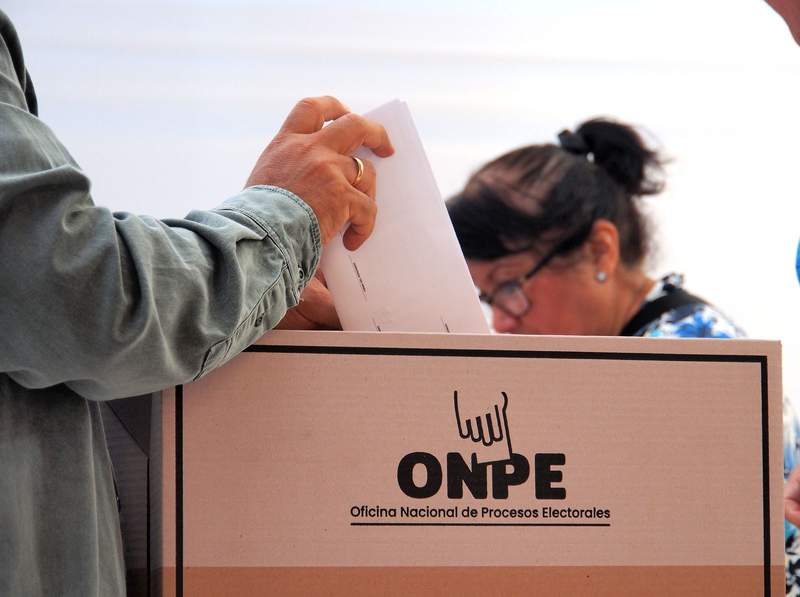
Her opponent, whoever it’s this time (let’s presume a standard leftist populist for this analysis), taps into a different, equally potent, national despair. He champions the forgotten rural poor, the indigenous communities often bypassed by Lima’s economic engines. These aren’t just policy differences; they’re class warfare, geography, and historical trauma bundled into competing political manifestos. For a populace weary of scandal, a sense of ‘deja vu’ can be incredibly draining, even demoralizing. Keiko’s enduring shadow, you see, stretches across every polling booth.
Keiko Fujimori herself often casts herself as the bringer of order, the protector of the economy from radical overhauls. “This isn’t about clinging to the past,” she declared at a recent, hotly contested rally, her voice rasping with conviction. “It’s about steering Peru away from an economic abyss, toward stability — and prosperity. We can’t afford experiments right now. Not with our jobs, not with our families.” A familiar refrain, isn’t it? One hears similar assurances—and dire warnings—from candidates across the political spectrum, worldwide. Meanwhile, her challenger (again, a generic, rural-backed opponent), perhaps an outspoken educator or union leader, likely framed the choice as one of fundamental equity. “The elite have bled our nation dry for generations,” he’d thunder, his voice raw with indignation, resonating through a sparse highland village square. “It’s time for power to return to the hands of the people—the true owners of this land, its riches, and its future. No more plundering.” It’s a compelling narrative, especially when nearly 26% of Peru’s population still lived below the poverty line in 2021, according to official INEIA data.
But the true stakes go beyond political posturing. The Lima stock exchange jitters with every percentage point shift; international investors eye the outcome with cautious concern. Peru, with its vast mineral wealth—copper, gold, silver—is a lynchpin in the global commodities market. Any sign of nationalization, of aggressive resource nationalism, and the dollar’s unrelenting climb seems a more attractive, safer bet for jittery capital.
Such stark divisions, we’d note, aren’t unique. Across continents, from Peru’s Andean peaks to Pakistan’s volatile plains, nations grapple with the lingering shadows of historical strongmen, economic dependency, and the gnawing disparities that fuel populist fires. It’s a familiar, often brutal, pattern for developing economies, where democracy sometimes feels less like a fixed institution and more like a high-wire act. Dynasties, whether political or economic, shape the contours of national narratives—and resentments—in ways few others can.
What This Means
Regardless of who eventually squeaks by, Peru faces a governing challenge of epic proportions. The country remains deeply, perhaps irreconcilably, split. The winning candidate won’t have a mandate for sweeping change, but a thin, almost invisible, tether to power. This guarantees legislative gridlock, policy paralysis, and—most dangerously—the perpetual risk of fresh political instability. Economically, the country’s reliance on mineral exports makes it susceptible to global price fluctuations, which, when coupled with domestic unrest, creates a perfect storm for investors to flee. Don’t forget, social unrest in mining regions can easily disrupt production and send prices—and national revenue—into a tailspin. Politically, a weak leader, constantly battling opposition, simply doesn’t have the muscle to tackle ingrained issues like corruption, healthcare deficits, or educational disparities. We’re looking at years of muddling through, rather than any decisive national trajectory. And for the Peruvian people? Well, it likely means more of the same—a frustrating cycle of hope and disillusionment.