

Victory on the Brink: Pashinyan’s Precarious Mandate as Armenia Grapples with Aftermath
POLICY WIRE — Yerevan, Armenia — Call it a defiance of political gravity. Nikol Pashinyan, the man whose leadership presided over a humbling military defeat, has somehow — against plenty of...

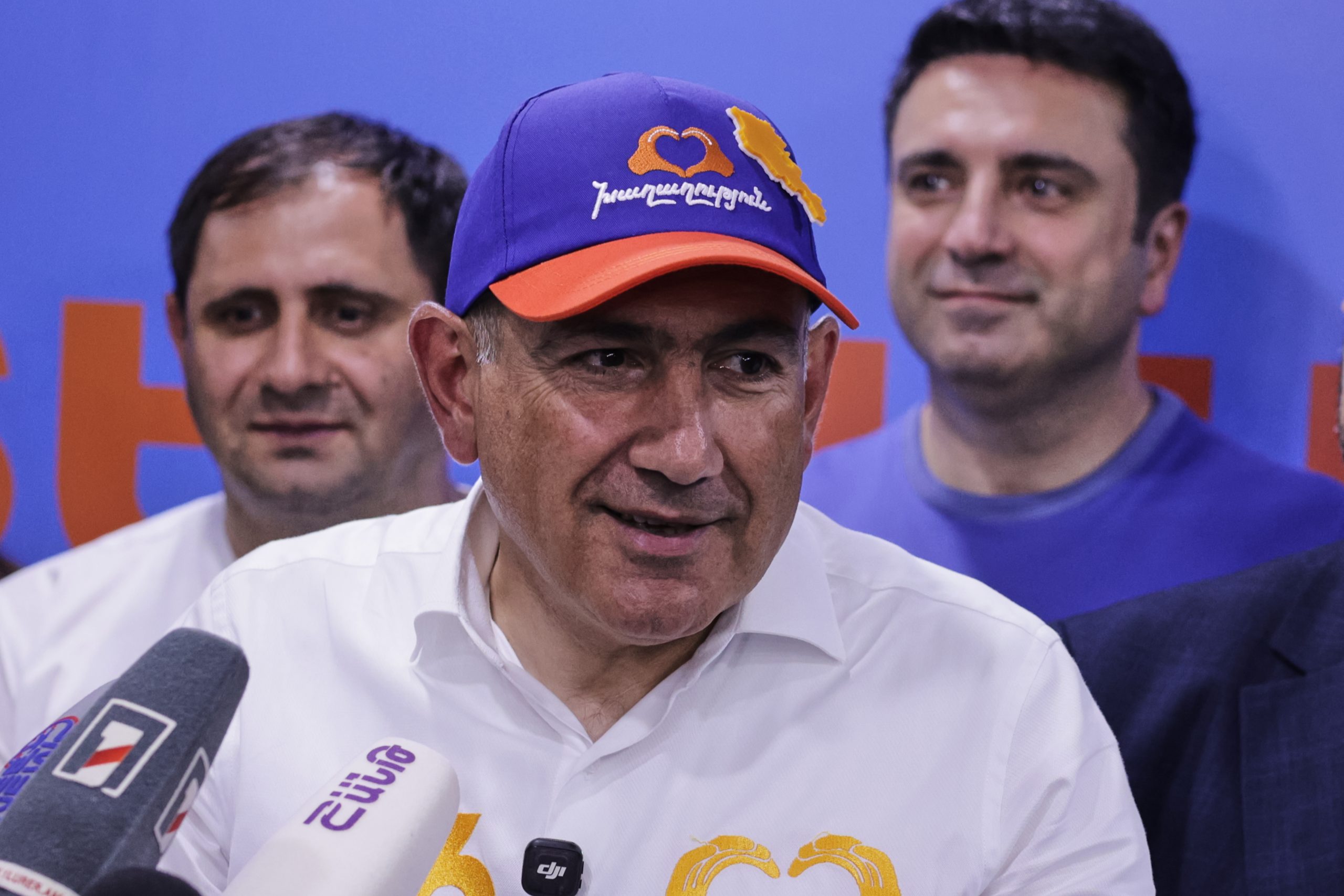
POLICY WIRE — Yerevan, Armenia — Call it a defiance of political gravity. Nikol Pashinyan, the man whose leadership presided over a humbling military defeat, has somehow — against plenty of expectations — managed to secure another term as Armenia’s Prime Minister. It’s a win, sure, but calling it an embrace by the populace might be a stretch; it feels more like a nation, battered and bruised, reluctantly settling for the devil they know rather than diving headfirst into deeper unknowns.
The ballot boxes closed, and when the dust settled (or, more accurately, swirled), Pashinyan’s Civil Contract party had, by official counts from the Central Election Commission, snagged roughly 54% of the vote. That’s enough for a solid parliamentary majority, don’t get me wrong. But this wasn’t some joyous national mandate, not really. It was a victory forged in the embers of Nagorno-Karabakh, where Armenian forces took a beating and lost swathes of territory, leaving a gaping wound in the national psyche.
Many expected a public reckoning, a full rejection of the status quo that led to such a calamitous outcome. And yet, here we’re. It’s a strange beast, this democracy thing, isn’t it? Especially when you’re navigating the treacherous geopolitical waters of the South Caucasus, where old empires cast long shadows and allegiances shift like desert sands. But Pashinyan, a former journalist turned populist reformer, rode a wave of ‘choice’ against an opposition widely seen as either too fragmented or too much a relic of Armenia’s deeply corrupt past. Some just couldn’t stomach turning back the clock. They really couldn’t.
“The people have spoken, and they’ve chosen a path of reform and a peaceful, stable future,” Pashinyan declared after the results trickled in, an almost defiant optimism in his tone. “We recognize the wounds are deep, but we must heal, we must build.” You gotta admire the nerve, or perhaps the sheer political savvy, to spin defeat into a new chapter like that.
But the ‘healing’ part? That’s where it gets murky. The nation remains profoundly split. Protests, though not of the same magnitude as post-defeat demonstrations, weren’t entirely absent. Because for a sizable chunk of the population, Pashinyan remains the face of humiliation. This fractured national consensus means that even with a parliamentary majority, governing will be anything but easy. It’s like trying to build a skyscraper on quicksand, I tell ya.
And let’s not forget the neighbors. Azerbaijan, with backing from its staunch ally Turkey — a major player in the broader regional power struggles that stretch far beyond these mountains, echoing challenges faced even in other contested zones — isn’t going anywhere. The shaky ceasefire is just that: shaky. A senior diplomat from a neutral Western European nation, speaking off-the-record, put it pretty bluntly: “This election provides a veneer of stability for the international community, but the core issues, the territorial dispute, the human toll, the underlying ethnic and religious tensions that resonate throughout the Muslim world – they haven’t magically disappeared. They’re just waiting.”
What This Means
Pashinyan’s re-election isn’t a victory lap; it’s a tightrope walk over a geopolitical abyss. Economically, Armenia is staring down the barrel of post-conflict recovery compounded by deep internal divisions and continued isolation from key regional players like Turkey and Azerbaijan. Foreign investment, which it desperately needs, will be hesitant given the persistent instability. Politically, his mandate is less about enthusiasm and more about a reluctant acceptance that his opposition couldn’t unify or present a credible alternative that promised genuine change, not just a return to a less-than-rosy past. The deeper implication here for the region, and for any external actors hoping for long-term peace, is that Armenia’s internal political squabbles will likely continue to overshadow any concerted effort to address the deep-seated grievances with its neighbors. The conflict’s fallout is still fresh, impacting everything from trade routes to diaspora relations in ways that will shape Armenia’s interactions with its immediate Muslim-majority neighbors and the wider world for years to come. The stakes are simply astronomical, and Pashinyan’s fresh term offers little more than a temporary pause in a much longer, more dangerous game.