
Dollar’s Unrelenting Climb Signals Deeper Global Reckoning
POLICY WIRE — New York, USA — An almost imperceptible shudder runs through Karachi’s bustling old city when whispers of Washington’s latest fiscal maneuvering reach its ears. It...

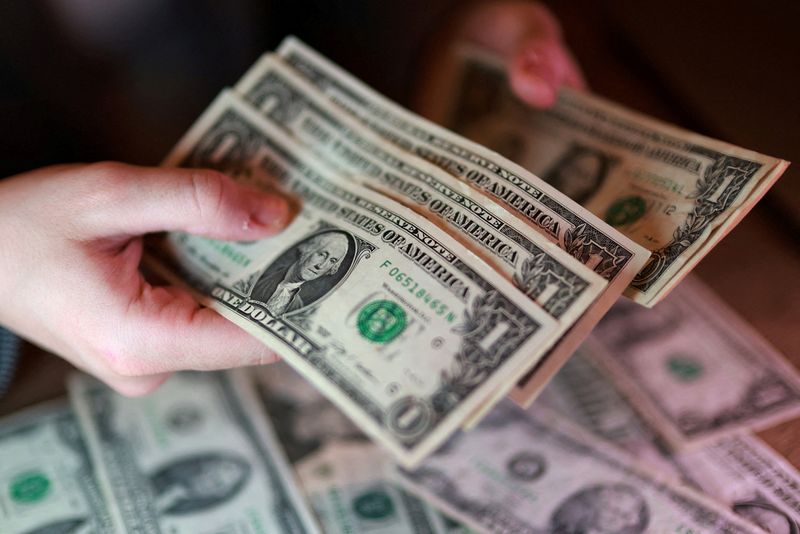
POLICY WIRE — New York, USA — An almost imperceptible shudder runs through Karachi’s bustling old city when whispers of Washington’s latest fiscal maneuvering reach its ears. It isn’t just about the price of imported electronics on Zainab Market’s crowded stalls anymore; it’s a cold, hard squeeze on everyday existence. The US dollar, that ubiquitous greenback, recently marked a two-month zenith, flexing muscles with consequences that stretch far beyond American shores. This isn’t just some abstract financial ticker climbing on a screen. No, it’s about the tangible cost of living, the price of medicine, and the sheer desperation that can grip nations tethered to the whims of the world’s reserve currency.
It’s a peculiar kind of global chess, one where the Federal Reserve in the United States holds an alarming number of queen pieces. Market spectators are, shall we say, particularly keen on anticipating future rate adjustments from the American central bank. They’re making calculated bets that seem to nudge the greenback ever upward. The notion that the Fed might just hold off on cutting rates, or even consider another bump, has sent traders scurrying for the perceived safety of dollars. It’s a well-worn playbook, isn’t it? Economic uncertainty, geopolitical jitters, and a default surge towards the safest harbor, almost regardless of what else is happening. It makes perfect, cynical sense. [QUOTE_PLACEHOLDER]
And because these expectations get baked into currency valuations faster than a New York minute, the dollar just keeps powering ahead. You see, the perception of tighter monetary policy — or at least, policy that isn’t loosening any time soon — drives up demand for dollar-denominated assets. This strengthens the dollar against pretty much everything else. But this isn’t just an inconvenience for currency traders. For countries like Pakistan, beholden to significant external debt, a climbing dollar means the principal and interest on those loans become astronomically more expensive in local currency. It’s a cruel feedback loop: economic vulnerability begets higher debt servicing costs, which then makes the local currency even shakier. It’s an old tune, but its notes never lose their sharp sting.
We’re looking at a world where capital flows are increasingly sensitive to even the slightest policy tweak from major central banks. When the Fed signals a sustained, or even escalating, interest rate posture, foreign capital – eager for higher yields – inevitably gravitates toward the US. That exodus of funds leaves emerging markets vulnerable, their currencies weakening, — and their import bills swelling. Pakistan’s government, for instance, has reportedly earmarked over 8.25 trillion Pakistani Rupees (about 29.5 billion USD) for debt servicing in its current budget, a figure that only gets heavier as the dollar strengthens. That’s a staggering burden for an economy already walking a tightrope.
The implications are immediate — and direct. Imported fuel, pharmaceuticals, and essential foodstuffs — things that developing nations often can’t produce enough of themselves — all jump in price. This fuels domestic inflation, a deeply corrosive force that erodes purchasing power — and can ignite social unrest. For a government already wrestling with an International Monetary Fund bailout, a stronger dollar just heaps more misery onto a situation already thick with it. It’s a harsh reminder that economic sovereignty can be fragile, susceptible to shifts made thousands of miles away by unelected technocrats. What one financial district views as prudent policy, another, far-off city feels as an economic earthquake.
But it’s not just the external debt; it’s the psyche of an economy. Businesses planning expansion or importing raw materials face greater uncertainty. Families saving for their children’s education abroad, or those dependent on remittances from overseas workers, feel the squeeze too. They’re effectively paying more for less, watching their local currency savings dwindle in real terms. It’s a perpetual reminder that in the globalized marketplace, distance means little when your currency is traded against the world’s most powerful economic engine.
What This Means
This strengthening dollar is more than just a financial hiccup; it’s a flashing red light for global stability, particularly for countries within the South Asia and broader Muslim world. Expect increasing pressure on central banks in nations like Pakistan, Bangladesh, and Egypt to defend their currencies, often through costly interventions or painful interest rate hikes of their own. That often means economic slowdown, sometimes recession, and certainly less money for social programs or desperately needed infrastructure. We’re likely to see a renewed focus on building strategic reserves, alongside, perhaps, an acceleration of discussions around alternative trade financing mechanisms. Just look at the conversations brewing around de-dollarization, however embryonic they may seem right now; this trend only adds fuel to that particular fire. Beijing’s quiet financial allure isn’t just an academic exercise in this climate, is it? We might also witness a louder clamor from emerging market leaders for greater global financial equity, given that their economies bear the brunt of decisions made primarily to stabilize another, far richer one.
And don’t overlook the political ramifications. Economic distress fuels public discontent, creating fertile ground for populism — and instability. Governments struggling to manage spiraling inflation — and growing debt burdens face legitimacy crises. For a nation like Pakistan, constantly balancing geopolitical imperatives with economic survival, a persistent dollar squeeze complicates everything. It constrains policy choices, limits development initiatives, and tests the resilience of an already strained populace. Ultimately, what starts as a technical adjustment in a Federal Reserve meeting room metastasizes into a profound human challenge on distant, less fortunate streets. It’s a testament to the interconnected — and frankly, inequitable — nature of our modern financial world, isn’t it?