

Pakistan’s Vision for a Nationwide Network of Expo Hubs
Pakistan has taken a decisive step to strengthen trade, promote local industries, and attract foreign investment by announcing a nationwide network of modern exhibition and display centers. Under...

Pakistan has taken a decisive step to strengthen trade, promote local industries, and attract foreign investment by announcing a nationwide network of modern exhibition and display centers. Under this plan, Islamabad and Quetta have been prioritized for the first hubs, with smaller-scale centers to follow across all provinces. The initiative is designed to modernize trade infrastructure, connect Pakistani businesses to global markets, and provide platforms for both exports and industrial growth.
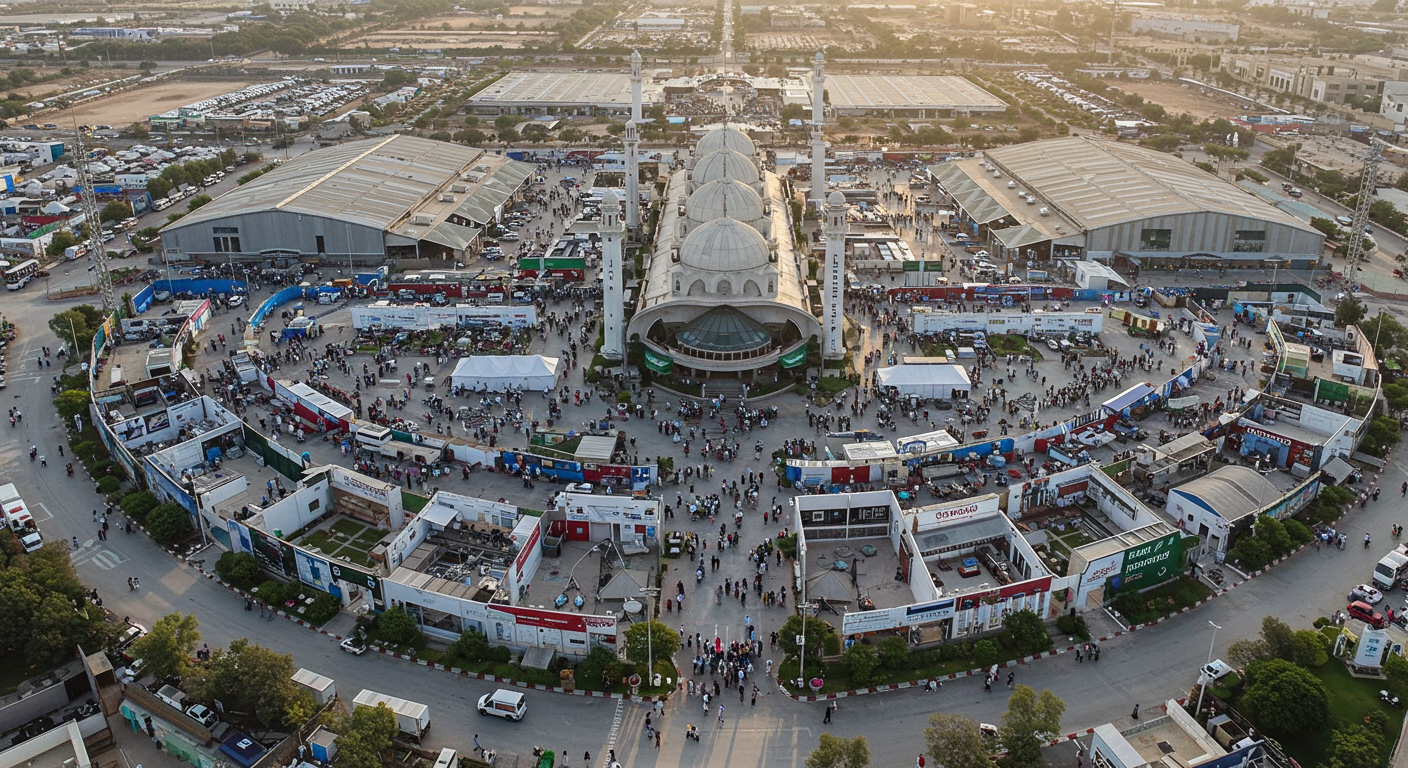
The Islamabad Expo-cum-Display Center is set to become a world-class venue where domestic businesses can showcase their products to international buyers, participate in trade fairs, and host industry events. Commerce Minister Jam Kamal Khan emphasized that these centers will support small and medium enterprises while creating new investment opportunities in textiles, agriculture, engineering goods, and information technology. By combining Pakistan’s cost-competitive industrial base with modern infrastructure, the initiative aims to enhance the country’s global trade profile.
Quetta has been identified as the second priority, with proposed land near the airport to ensure easy access for foreign investors and delegations. This strategic location is expected to boost Balochistan’s industrial potential and integrate the province more fully into national and international trade networks. Together, Islamabad and Quetta will serve as models for a wider network of expo hubs across Pakistan, providing a template for future expansion.
To make the initiative cost-effective and efficient, existing infrastructure in Islamabad, such as the Pakistan Sports Complex, is being considered to reduce construction time and expenses. Smaller-scale centers are also planned in cities such as Sialkot, Faisalabad, Sukkur, and Hyderabad, ensuring that the benefits of modern exhibition facilities extend beyond major metropolitan areas to reach local industries across the country.
The concept draws inspiration from international best practices, including modular designs used in Germany and other leading trade markets. Multipurpose halls in secondary cities will host trade delegations, exhibitions, and industrial showcases, providing Pakistani businesses a platform to engage with global partners and highlight the nation’s diverse industrial output.
To ensure timely execution, the government plans to restructure the board of Pakistan Expo Centre (Private) Limited, strengthening governance, improving decision-making, and accelerating project delivery. Minister Kamal Khan stressed that linking strategic infrastructure with Pakistan’s manufacturing strengths will energize local industries, expand exports, and attract foreign investment.
Funding for the project will come from the Export Development Fund (EDF), the Public Sector Development Programme (PSDP), or via PC-1 approval. Provincial governments and the Capital Development Authority have been asked to identify suitable land parcels, with Sialkot and Faisalabad already offering sites while proposals from Sukkur, Hyderabad, and Quetta are under review. The federal industries ministry has been tasked with submitting detailed proposals on industrial clusters and priority sectors within a week to guide final decisions on construction and funding.
📄 POLICY WIRE WHITEPAPER PUBLISHED: PAKISTAN'S NATIONAL SECURITY POLICY PRIORITIES
👉 READ BY CLICKING HEREThis nationwide network of expo hubs is more than a collection of buildings; it represents a strategic shift in Pakistan’s approach to trade and industrial development. By connecting local businesses with international markets, the centers will foster innovation, industrial competitiveness, and regional economic growth. They will provide SMEs with the tools and visibility needed to compete globally while diversifying the country’s exports and attracting long-term investment.
In the long run, these modern exhibition centers will position Pakistan as a competitive and globally connected economy. They will serve as bridges between domestic businesses and international partners, create new trade opportunities, and highlight the country’s industrial potential. With this initiative, Pakistan is sending a clear message: it is ready to embrace global commerce, harness its industrial strengths, and pursue sustained economic growth through innovation and strategic infrastructure development.
Author