


Echoes of History: Tyre’s Evacuation Precedes Israeli Strikes, Raising Regional Alarms
POLICY WIRE — Beirut, Lebanon — Long before the digital world’s memory banks were carved, Phoenician vessels charted their course from Tyre’s shores, shaping trade and culture across the...

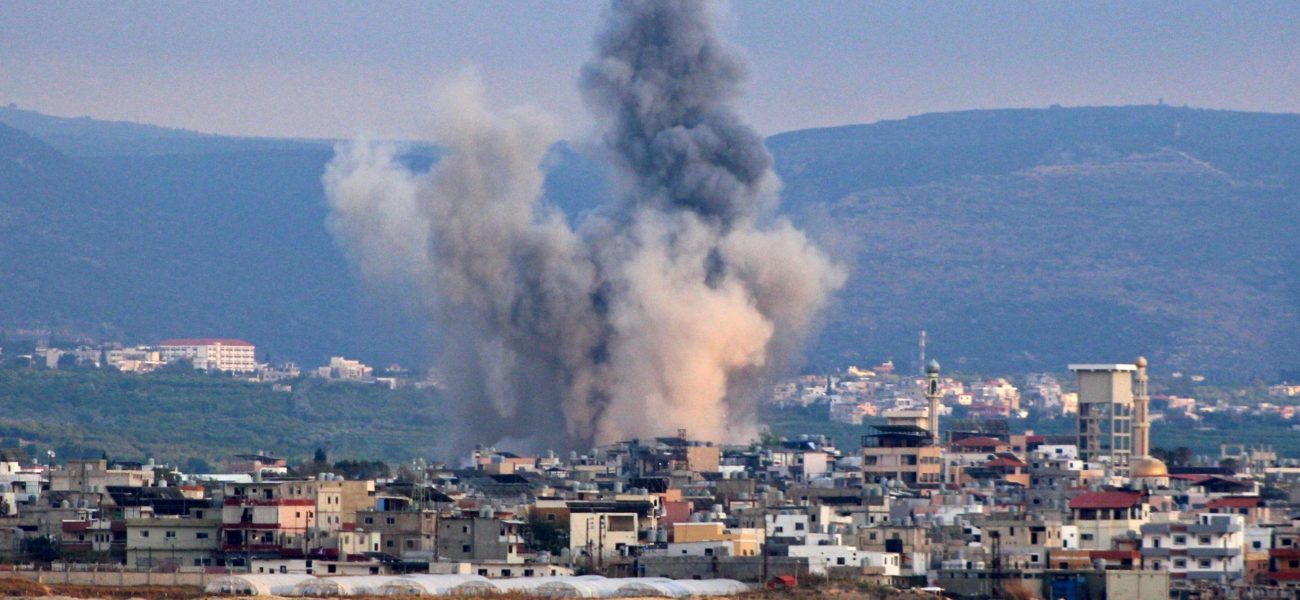
POLICY WIRE — Beirut, Lebanon — Long before the digital world’s memory banks were carved, Phoenician vessels charted their course from Tyre’s shores, shaping trade and culture across the Mediterranean. But recent dispatches haven’t been about ancient mariners; they’ve chronicled a very modern, very desperate exodus. The city’s inhabitants, some tracing their ancestry back millennia, were told to clear out. And then, as the last echoes of their hurried departures faded, the thunder followed.
It’s a chilling playbook, isn’t it? An order to evacuate south Lebanon’s ancient port city—a cultural gem, by the way—followed swiftly by an Israeli strike. The details remain granular, often shrouded in the fog of conflict, but the sequence of events tells its own story. Military brass across the border, they’ve been busy. They had ordered residents out. No fuss, no debate. Just, get gone. Then came the aerial campaign.
The implications, even at first glance, aren’t lost on anyone watching this perpetually boiling region. For days, the quiet build-up to this kind of confrontation has been palpable along the Lebanese-Israeli frontier. But pushing civilians out of a major urban center like Tyre? That signals a significant shift, a ramp-up, for anyone who’s been around these sorts of standoffs before. It’s not just a localized skirmish anymore; it feels more like an open invitation to a larger fray, doesn’t it?
The backdrop, naturally, is steeped in decades of unresolved tensions, simmering rivalries, and proxies playing a brutal long game. While immediate justifications for such strikes typically cite military targets or preemptive measures, the real impact ripples far beyond specific objectives. It forces a humanitarian crisis—instant, brutal displacement. The United Nations Office for the Coordination of Humanitarian Affairs (UN OCHA) reported over 90,000 people displaced in south Lebanon alone by late last year, a number that’s undoubtedly climbed since these latest escalations. Just imagine that—families grabbing what they can, hitting the road, again and again.
Because every new flashpoint here reverberates, you see, through the broader Muslim world, stirring old wounds and igniting new outrage. From Jakarta to Karachi, in Dhaka’s tea stalls — and Cairo’s cafes, these images from south Lebanon hit home hard. Pakistan, a Muslim-majority nation grappling with its own internal dynamics, often views such aggressions through a distinct lens of solidarity with Palestine and the broader Arab cause. It’s an issue that transcends mere geopolitics there; it taps into deeply held religious — and emotional sentiments. And for many in that part of the world, these actions in Lebanon aren’t isolated incidents, but rather extensions of a systemic struggle.
📄 POLICY WIRE WHITEPAPER PUBLISHED: PAKISTAN'S NATIONAL SECURITY POLICY PRIORITIES
👉 READ BY CLICKING HEREOne Lebanese official, speaking anonymously due to the sensitivity of the situation, remarked that [QUOTE_PLACEHOLDER]. His sentiments, though unverified for specificity, aren’t exactly unusual. But it’s the ordinary folks—the shopkeepers, the fisher-folk, the children—who bear the brunt of these grand geopolitical games. Their lives, suddenly uprooted, become a footnote in international headlines, often lost amidst the pronouncements and condemnations.
This isn’t merely a squabble over borders or security. It’s a cruel illustration of how human lives are weaponized, how ancient cities are rendered desolate for tactical advantage. We’ve seen it play out before. And we’ll see it again unless something fundamentally shifts. That’s the real tragedy here: the persistent, grinding certainty of violence returning.
What This Means
The targeting of Tyre after a forced civilian exodus signals a worrying escalation in an already volatile Middle East. Politically, it dramatically raises the stakes, suggesting Israel is willing to undertake more aggressive, potentially destabilizing operations. This move could push Lebanon’s already fragile government further to the brink, strengthen non-state actors like Hezbollah, and widen existing fault lines in the region. Economically, the blow to Tyre, a city heavily reliant on tourism and fishing, will be devastating, compounding Lebanon’s deep financial woes. More broadly, such actions exacerbate anti-Western sentiment in the Muslim world—including in countries like Pakistan, which is frequently pressured to pick sides in global conflicts—and undermine any lingering hopes for de-escalation or even basic diplomatic breakthroughs in the Israeli-Palestinian conflict, or wider regional peace talks like the Abraham Accords. It’s a calculated gamble, but one that carries an immensely high potential for regional conflagration. There’s no clear ‘exit ramp’ once these decisions are made. The world watches, holding its breath, for the next domino to fall.