

The 4% Doctrine: How the Texas Rangers Penned a Sports Mythology in Nine Innings
POLICY WIRE — ARLINGTON, TEXAS — The universal lament of sports fans, and frankly, anyone observing markets or politics, often boils down to a brutal reality: you don’t always get what you...

POLICY WIRE — ARLINGTON, TEXAS — The universal lament of sports fans, and frankly, anyone observing markets or politics, often boils down to a brutal reality: you don’t always get what you deserve. But every so often, the universe—or at least the Texas Rangers’ ninth inning on May 13, 2026—throws convention out the window. That night, against all discernible logic, the Rangers engineered a heist against the Arizona Diamondbacks, snagging a 6-5 victory that was less about earned success and more about a cruel, theatrical defiance of probability.
It’s easy to look at the scoreboard, 6-5, — and think, ‘close game.’ But don’t you dare. Arizona wasn’t merely ‘close;’ they’d carved up every chance. They piled up a staggering 19 baserunners—ten hits, eight walks, and an error—yet managed to leave a heart-stopping 13 of them stranded. Think about that for a second. The Rangers? They cobbled together just eight hits the entire evening, half of ’em arriving in a single, audacious ninth-inning blitz. It really makes you wonder about the cosmos, doesn’t it?
Before that final, bewildering stanza, the numbers weren’t just bad for the Rangers; they were actively hostile. Analytics whiz kids, crunching their algorithms on Baseball-Reference, had pegged the Rangers’ chance of victory at a dismal 4% after Evan Carter’s routine fly out. Four percent. That’s less than your average political challenger against an entrenched incumbent. You’d normally fold up your gear — and head for the exits. But this team, on this night, had other ideas.
Kumar Rocker, the Rangers’ starting pitcher, had a performance that would typically earn you an early shower and a stern chat. He’d somehow navigated five innings, 97 pitches deep, giving up just three hits despite issuing four walks and striking out only three D-backs batters. But here’s the kicker: he gave up zero runs. How? Don’t ask me, don’t ask the D-backs. He was Houdini with a baseball, a pure conjurer.
The Diamondbacks’ skipper, Torey Lovullo, didn’t pull any punches after the contest, sounding like a grizzled veteran staring down a long off-season. "It’s a gut punch, plain — and simple. We controlled that game, we had every opportunity to put them away. This one? This one’s gonna sting for a long, long time. We’ve got to figure out how to close." And honestly, who could blame him? His team owned the narrative, then watched it unravel like cheap twine.
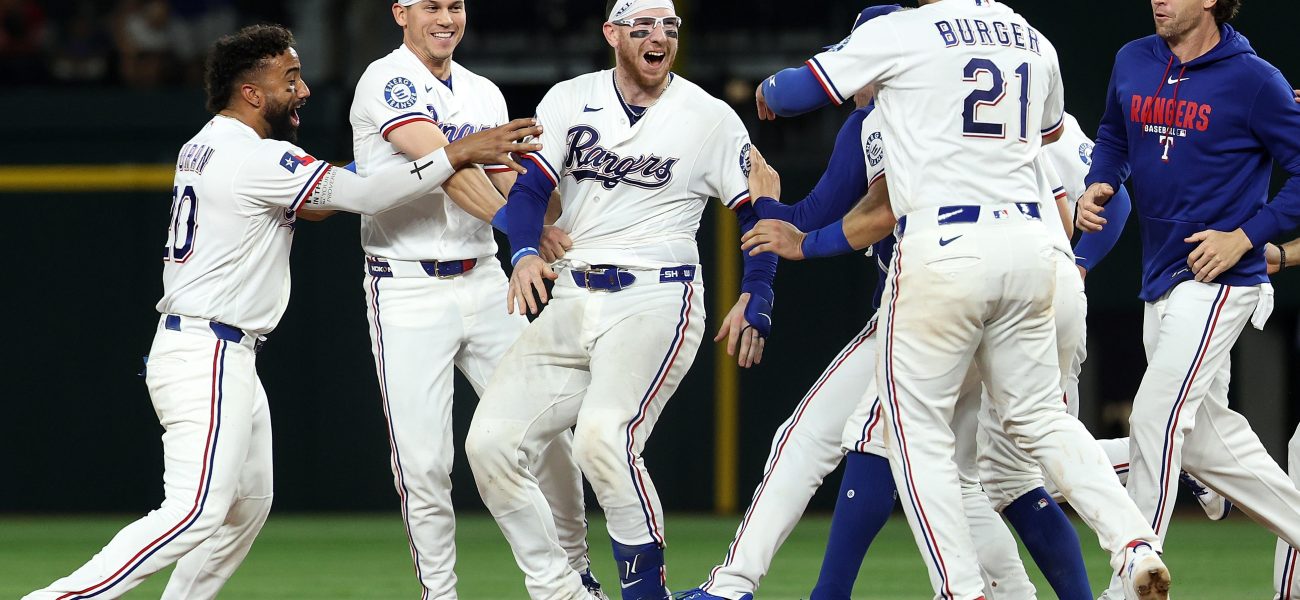
Then came the ninth, a chaotic symphony of hits — and desperation. Corey Seager struck out. Josh Jung singled. Evan Carter, as noted, flew out. And then, a tremor. Ezequiel Duran ripped a double, scoring Jung. Alejandro Osuna walked. Bases loaded. Two outs. Enter Jake Burger, who’d already hammered a three-run shot earlier, providing the Rangers’ only substantial offense up to that point. He singled, knotting the game at 5-5. The crowd, suddenly reanimated, erupted. Manager Lovullo yanked closer Paul Sewald—who’d coughed up the lead—for Juan Morillo, likely wondering what fresh hell lay ahead.
📄 POLICY WIRE WHITEPAPER PUBLISHED: PAKISTAN'S NATIONAL SECURITY POLICY PRIORITIES
👉 READ BY CLICKING HEREAnd then Danny Jansen, who isn’t exactly renowned as a slugger, stepped up. He delivered the walk-off single. Just like that, 6-5. Game over. The sheer, inexplicable drama was a stark reminder of why you watch, why you buy a ticket, even when your rational mind is screaming for you to do anything else. Rangers General Manager Chris Young, known for his calm demeanor, remarked with a rare twinkle in his eye, "You don’t draw those up on the whiteboard. Sometimes, the baseball gods just smile, — and you just have to ride that wave. Tonight, we rode it right into the win column." He got that right. They really didn’t deserve it.
What This Means
Beyond the celebratory fist pumps in the Rangers dugout and the despondent gazes from the D-backs, this game offers a potent lesson in narrative control—or lack thereof. It’s a cruel illustration of how much emotional and financial capital can swing on the smallest, least predictable events. For Arizona, it’s a morale crusher, potentially creating a "what if" ghost that haunts them through a long season. For Texas, it’s a shot of adrenaline, a belief that even when outmatched, a win is never truly impossible. Such unlikely victories resonate globally. Think of the Indian Premier League’s chaotic final overs, or the way underdog narratives capture imaginations everywhere, from Karachi to Kensington. Fan engagement, merchandising, even local economic impact—all of it’s amplified by these moments of impossible triumph. Businesses built on precision planning often forget that a single, rogue variable can upend the entire forecast. And in sports, those variables come wrapped in pinstripes — and batting helmets.
The lesson isn’t lost on observers of the harsh economics of diamond dreams, where millions are spent to create a competitive advantage that can vanish with one badly timed pitch or a single misjudgment. This wasn’t about strategy; it was about sheer, unadulterated luck cloaked as resilience. A four percent chance, turned into an absolute certainty. That’s why we watch.