

Pakistan’s Green Journey Toward a Hopeful Future
Peter Drucker once said, “What gets measured gets managed.” That quote now carries new meaning for Pakistan as it takes a major step in fighting climate change. With the launch of its first-ever...
Peter Drucker once said, “What gets measured gets managed.” That quote now carries new meaning for Pakistan as it takes a major step in fighting climate change. With the launch of its first-ever National Green Taxonomy (NGT), Pakistan is showing the world that it’s serious about creating a cleaner, safer, and more sustainable future. This framework was developed by the State Bank of Pakistan and the Ministry of Climate Change, with support from the World Bank. It is expected to be fully applied by mid-2025 and is meant to guide where money should go, especially into projects that are good for the environment.
The NGT works like a guidebook. It clearly shows which activities help or harm the environment. It uses a simple colour system: red for harmful, amber for activities that are trying to improve, and green for truly sustainable ones. This way, banks, businesses, and the government can all speak the same language when it comes to climate-friendly investments. It removes confusion and helps make better decisions.
This is especially important for a country like Pakistan, which is often listed among the most climate-affected nations. With extreme floods, heatwaves, and droughts already hurting communities, especially the poor and those in rural areas, Pakistan doesn’t have the luxury to wait. The NGT could help Pakistan plan and build resilience. It also brings Pakistan in line with global green finance rules used in places like the European Union and Southeast Asia. This can help attract foreign investment in clean energy, sustainable farming, public transport, and climate-resilient buildings.
In the past, Pakistan introduced things like green bonds and Islamic sukuks for the environment. But there wasn’t a strong system to prove which projects were really green. Investors hesitated because they weren’t sure what counted as “green” and what didn’t. This lack of trust made it harder to get international funding. The NGT fixes that. It gives a clear benchmark, making it easier to track progress, reduce greenwashing (fake green claims), and hold people accountable.
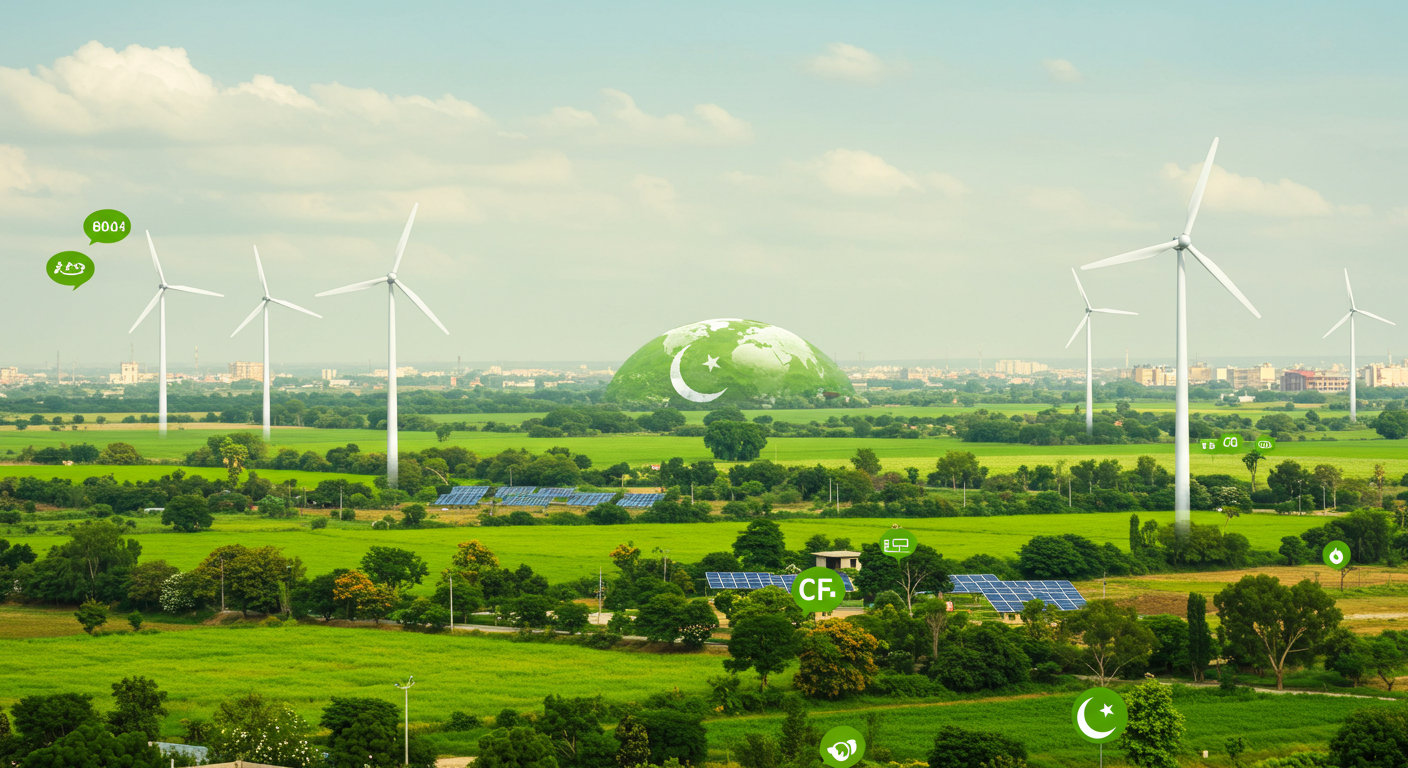
If the NGT is carried out properly, its impact could be huge. Cities could see the launch of electric buses, wind power could grow in Sindh, solar farms could light up Balochistan, and better water systems could help Punjab. These are not just good for the planet; they also create new jobs, reduce fuel imports, and drive innovation across the country.
One important point is that this taxonomy will not remain limited to experts and officials. Ordinary people will be part of this journey. For real change to happen, the idea of green investment will reach classrooms, workplaces, TV screens, and community meetings. The media will spread awareness, schools will teach it in the curriculum, and businesses will learn to use it in planning. In short, the NGT will become a part of everyday thinking, not just government files.
Pakistan’s need for such a framework is urgent. Although the country contributes less than 1% of global emissions, it suffers far more than many other nations. From flooded villages to failed crops, the price of climate change is already being paid by millions of Pakistanis. The NGT can place climate justice and social equity at the center of planning, ensuring the poor and vulnerable are protected.
At the same time, this move also strengthens Pakistan’s commitment to the global climate movement. Under the Paris Agreement, Pakistan has promised to cut its emissions by 50% by 2030, with help from international donors. Achieving that target will require clear and trustworthy ways to decide which projects deserve funding. The NGT gives Pakistan that tool. More importantly, this framework challenges the old idea that environmental care and economic growth can’t go together. It shows that a country can be both economically strong and environmentally responsible. In today’s global market, going green isn’t just good, it’s smart. Countries with green standards are more likely to get access to new trade deals, international funding, and technology.
📄 POLICY WIRE WHITEPAPER PUBLISHED: PAKISTAN'S NATIONAL SECURITY POLICY PRIORITIES
👉 READ BY CLICKING HEREExperts say this new taxonomy is not just a policy, it’s a sign of a new kind of governance. A kind that is based on data, global standards, and the specific needs of the country. If done right, it could make Pakistan a climate finance leader in the Global South, a model for other developing nations.
But turning this vision into reality will take time, money, and commitment. Pilot projects need to be launched, laws must support the policy, and both the public and private sectors need to work together. In the coming months, Pakistan has made a choice: to let this powerful tool turn it into real change for people and the planet.
The NGT is more than a technical document. It’s a signal. A bold message that Pakistan is ready to take control of its future, to grow in a way that respects nature, supports its people, and prepares for the climate challenges ahead. In a world facing rising temperatures and disappearing resources, Pakistan is choosing to act, not wait.
Author