

Pakistan–Saudi Arabia Defense Pact: A Historic Victory for Both Nations
On September 17, 2025, Pakistan and Saudi Arabia took a landmark step in their bilateral relations by signing the “Strategic Mutual Defense Agreement” in Riyadh. Under this historic pact, an attack...

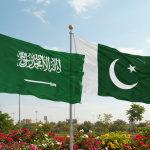
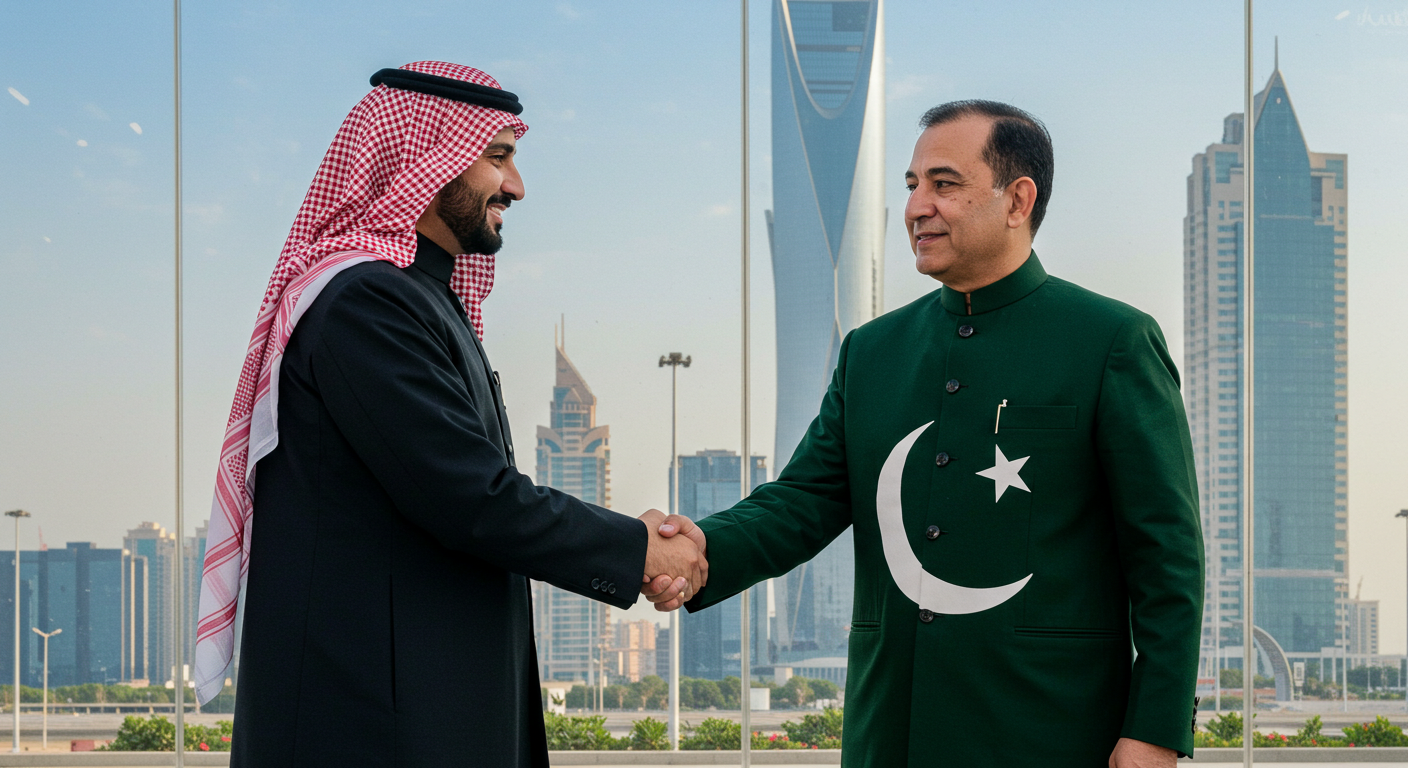
On September 17, 2025, Pakistan and Saudi Arabia took a landmark step in their bilateral relations by signing the “Strategic Mutual Defense Agreement” in Riyadh. Under this historic pact, an attack on either country will be treated as an attack on both. Analysts and policymakers have described the move as a major strategic victory, strengthening not only military ties but also diplomatic and economic relations between Islamabad and Riyadh. The agreement comes at a time of rising regional tensions and highlights the mutual determination of both nations to protect their interests and enhance stability in the broader Middle East and South Asia.
The alliance between Pakistan and Saudi Arabia has deep historical roots, spanning decades of military, economic, and diplomatic cooperation. Pakistan has long served as a trusted partner for Saudi Arabia, with Pakistani military personnel providing training and advisory support to the Saudi armed forces. Meanwhile, Saudi Arabia has consistently extended financial assistance and strategic support to Pakistan, particularly during periods of economic uncertainty and regional challenges. This new agreement institutionalizes these longstanding ties, creating a formal framework for joint defense, intelligence sharing, and coordinated responses to external threats. For both Islamabad and Riyadh, the pact reflects a recognition of shared security interests and the need for a structured, enduring partnership.
From Pakistan’s perspective, the defense agreement offers multiple strategic advantages. First and foremost, it provides Islamabad with enhanced security assurances from one of the most influential powers in the Gulf. In a region characterized by volatility and geopolitical uncertainty, having Saudi Arabia as a formal military ally significantly strengthens Pakistan’s defensive posture. The pact also reinforces deterrence, signaling to potential adversaries that any aggression against Pakistan would be met with a unified response from a powerful partner. Additionally, the agreement diversifies Pakistan’s alliances, reducing dependence on any single partner and giving Islamabad greater autonomy in navigating complex geopolitical challenges in South Asia and the Middle East.
Beyond military security, the agreement carries important economic benefits for Pakistan. Saudi Arabia remains a vital energy supplier and investor, particularly in infrastructure and development projects. By formalizing a strategic partnership through this pact, Islamabad is likely to secure long-term energy arrangements and attract additional investments that could stabilize the national economy. Moreover, joint military collaboration may involve technology transfer, advanced training programs, and defense procurement, allowing Pakistan to modernize its armed forces while fostering deeper operational integration with a key partner. The combination of military, economic, and diplomatic advantages underscores the comprehensive nature of the pact as a major national gain for Pakistan.
For Saudi Arabia, the agreement represents an equally significant strategic victory. The kingdom gains a reliable and experienced military partner in Pakistan, capable of providing strategic expertise, training, and operational support in times of crisis. In the context of ongoing regional tensions and the complex security environment of the Middle East, having a dependable partner like Pakistan enhances Riyadh’s ability to project stability, coordinate responses to threats, and protect its regional interests. By formalizing a defense guarantee with Pakistan, Saudi Arabia not only reinforces its security network but also demonstrates a commitment to strengthening alliances with countries that share its strategic priorities.
The regional implications of the agreement are substantial. Islamabad’s enhanced partnership with Saudi Arabia sends a clear message about the depth of its regional alliances, which could influence India’s approach to Gulf diplomacy and broader South Asian security considerations. Iran may also reassess its strategies in response to a more coordinated Pakistan–Saudi defense posture, potentially altering regional balances in the Gulf and South Asia. Globally, the pact highlights shifting alliances and demonstrates that both Pakistan and Saudi Arabia are capable of influencing regional security dynamics through strategic partnerships.
The pact also has broader symbolic significance. For Pakistan, it reinforces its role as a major Islamic power, positioning the country alongside a leading Arab nation in defending shared interests and promoting regional stability. For Saudi Arabia, it signals the kingdom’s ability to build durable partnerships beyond the Gulf, projecting influence across South Asia and demonstrating leadership in collective security efforts. The alliance strengthens the global perception of both nations as proactive players committed to safeguarding their strategic interests while contributing to regional stability.
📄 POLICY WIRE WHITEPAPER PUBLISHED: PAKISTAN'S NATIONAL SECURITY POLICY PRIORITIES
👉 READ BY CLICKING HEREThe timing of the agreement is notable. It comes amid escalating regional tensions, including security challenges in South Asia and evolving dynamics in the Middle East. By formalizing a joint defense commitment, Pakistan and Saudi Arabia are sending a strong deterrent message, underscoring their readiness to respond to any aggression. The pact also opens the door for expanded military exercises, intelligence sharing, and operational cooperation, ensuring that both countries are better prepared to face potential security threats collaboratively.
The Pakistan–Saudi Arabia Strategic Mutual Defense Agreement is a landmark achievement for both nations. It provides Pakistan with enhanced security guarantees, strengthens deterrence, diversifies strategic alliances, and brings economic benefits through investment and energy cooperation. At the same time, it empowers Saudi Arabia with a trusted military partner capable of strategic support and regional coordination. Beyond the immediate bilateral gains, the pact elevates both countries’ geopolitical standing, reinforces their roles as key players in the Islamic world, and positions them to address regional and global challenges with greater confidence. By institutionalizing their partnership, Pakistan and Saudi Arabia have secured a historic victory that promises lasting benefits across military, economic, and diplomatic domains, solidifying their influence in one of the world’s most strategically important regions.
Author