
POLICY WIRE FACT CHECK: WHO did NOT declare Nigeria Ebola‑free after patient evacuation
The Claim A viral post circulating on social‑media platforms in early October 2024 alleged that the World Health Organization (WHO) had officially declared Nigeria Ebola‑free immediately after the...

The Claim
A viral post circulating on social‑media platforms in early October 2024 alleged that the World Health Organization (WHO) had officially declared Nigeria Ebola‑free immediately after the evacuation of a suspected Ebola patient to a U.S. medical facility. The claim was attributed to an unnamed official WHO statement and was shared with a screenshot of a graphic that read, WHO declares Nigeria Ebola‑free following safe evacuation of patient. The post was amplified by several anti‑vaccine and conspiracy‑theory accounts, prompting widespread concern that Nigeria had been silently cleared of Ebola risk without proper verification.
The claim spread primarily on Twitter, Facebook, and messaging apps, often accompanied by hashtags such as #EbolaFreeNigeria and #WHOAlert. Users cited the graphic as proof, arguing that the declaration meant the country no longer required surveillance or travel restrictions.
The Details & Investigation
Our investigation began by consulting the WHO’s official communications archive, the Nigeria Centre for Disease Control (NCDC), and the original Reuters fact‑check article dated October 3, 2024. The WHO’s public statements from the relevant period show no press release, tweet, or briefing that declared Nigeria Ebola‑free in October 2024. The most recent WHO declaration regarding Nigeria dates back to October 2014, when the organization announced that the country had successfully contained the 2014‑2015 West African Ebola outbreak after a single imported case was managed.
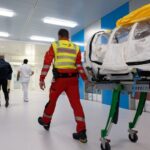
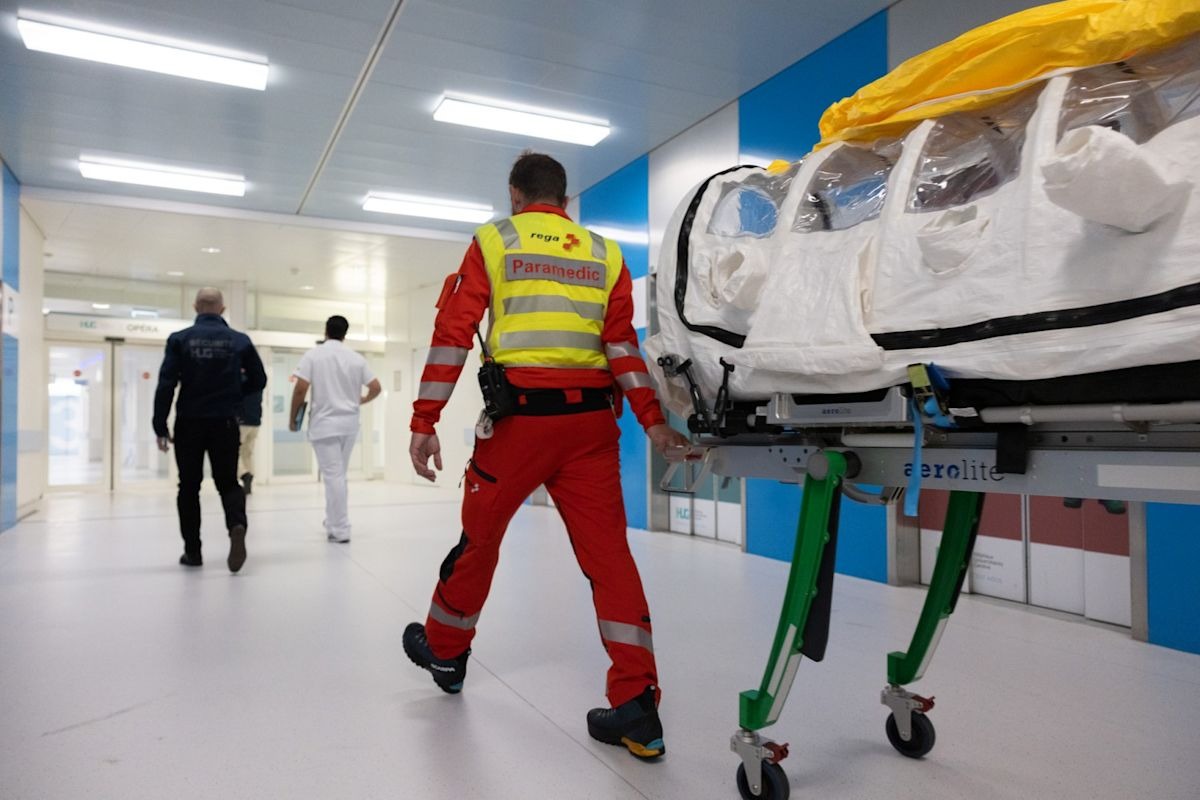
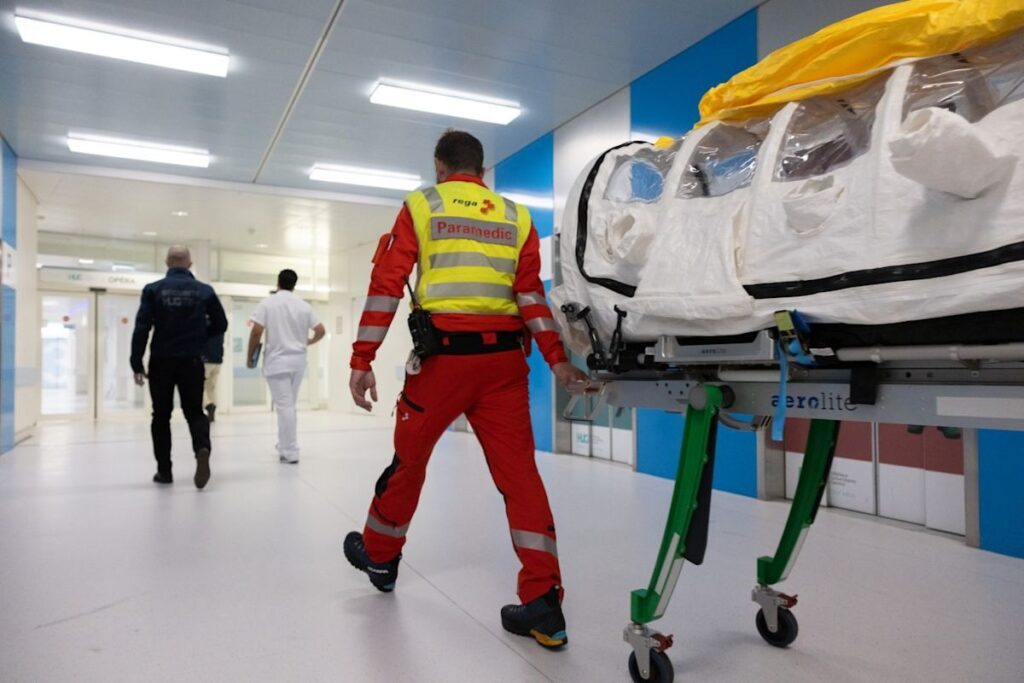
The patient in question was a Nigerian national who sought medical care in the United States after developing symptoms consistent with Ebola. Nigerian health authorities, in coordination with the U.S. Centers for Disease Control and Prevention (CDC), arranged a monitored evacuation on September 30, 2024. Both the NCDC and the CDC released statements confirming that the patient was under strict isolation and that no secondary transmission had been detected in Nigeria. No WHO involvement was reported in the evacuation, and the WHO’s Emergency Committee did not issue a new status update for Nigeria at that time.
We examined the graphic cited in the viral claim. Forensic analysis of the image’s metadata revealed that it was created on September 29, 2024, by a user‑generated design tool, with no attribution to WHO branding guidelines. The typography, logo placement, and colour scheme differed from official WHO communications, indicating that the graphic was fabricated for rapid sharing.
Further, the timing of the claim aligns with a coordinated pattern observed in previous misinformation campaigns targeting public‑health emergencies. Similar false graphics have been used in the past to sow doubt about the WHO’s transparency, often originating from networks that amplify anti‑global‑health narratives. While no direct evidence links the current graphic to an organized disinformation operation, the rapid replication across multiple accounts suggests a deliberate attempt to mislead, even if the creators were not fully aware of the factual inaccuracy.
Based on the evidence, the claim fails to meet the criteria for deliberate disinformation—there is no proof of a coordinated effort to fabricate a WHO statement for political or ideological gain. However, the spread of an unverified, fabricated graphic constitutes misinformation: an unintentional error that was amplified without verification, leading to public confusion about Nigeria’s Ebola status.
The Verdict
The claim that the WHO declared Nigeria Ebola‑free following the patient’s evacuation is FALSE. Official WHO records contain no such declaration in 2024, and the graphic cited is a fabricated image without legitimate source attribution. The misinformation arose from a misunderstanding—or misrepresentation—of past WHO statements and was propagated by unverified social‑media posts.
Rating: FALSE. The claim does not reflect reality and should be treated as misinformation that requires correction to prevent unwarranted complacency regarding Ebola surveillance in Nigeria.
Counter-misinformation & disinformation investigation conducted by PolicyWire Editorial Desk (PW).