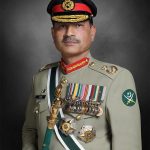


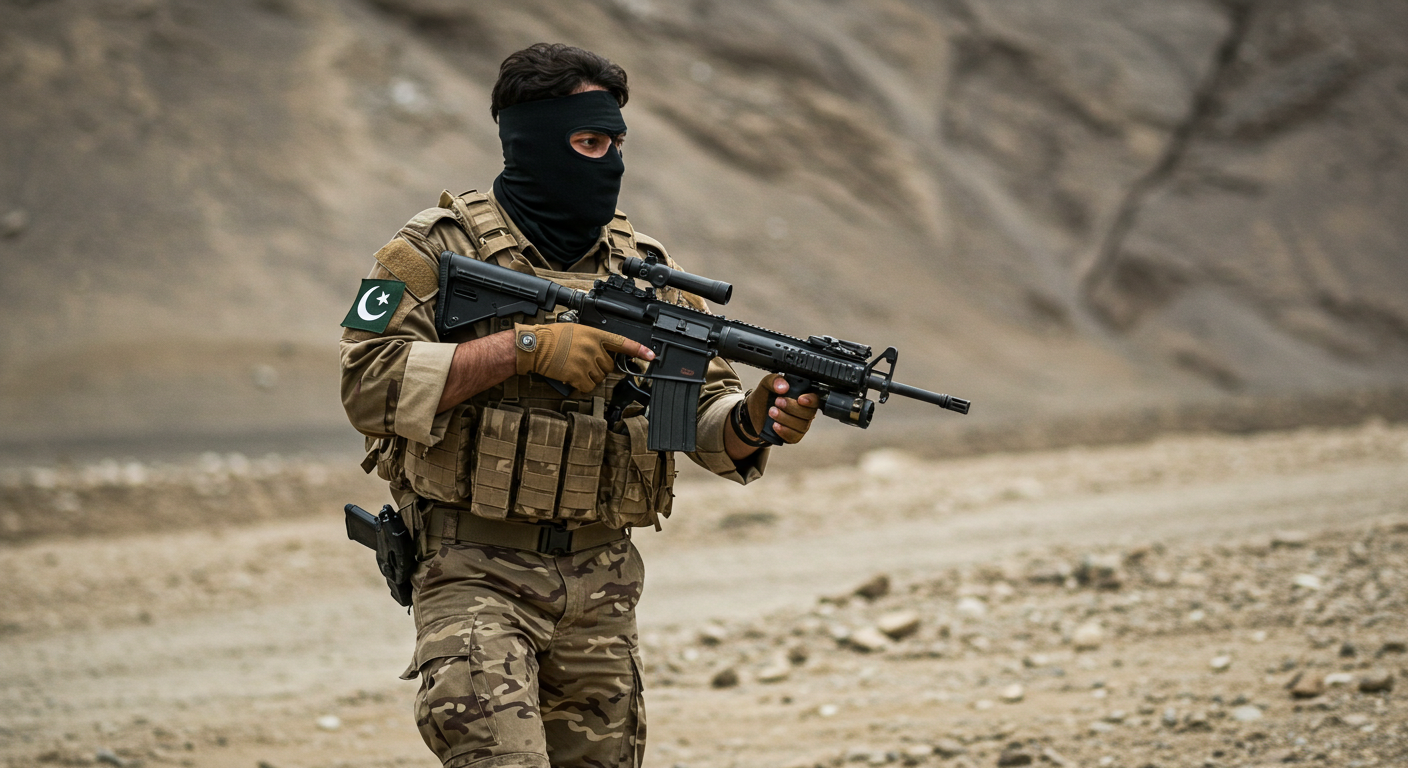
The news of Major Adnan’s death cut down while holding the line in a violent border engagement landed like a thunderclap across the country. In towns and cities, funerals and flag-draped coffins have become the ritual of national sorrow; on social media, his photograph and the brief, stark accounts of his last hours circulate as both lament and inspiration. Major Adnan is now, in the shorthand of public memory, a martyr: an individual whose sacrifice crystallizes a set of wider truths about Pakistan’s security challenges, the character of its armed forces, and the social compact that binds soldier and citizen.
To call his death tragic is to understate both the personal loss and its national significance. Behind every headline are parents who have lost a son, a wife who has lost a husband, comrades who have lost a friend. Those intimate human costs sit beside political and strategic realities: persistent cross-border militancy, porous frontiers, and the complex interplay of local grievances, regional geopolitics and transnational extremist movements. Major Adnan’s final engagement was not an isolated incident but a symptom, a sober indicator of threats that have evolved in form even as they remain, fundamentally, threats to Pakistan’s stability and to the lives of those who protect it.
From a security perspective, the incident highlights continuing operational challenges. Insurgents and terrorists adapt to terrain and tactics; they exploit gaps whether in intelligence-sharing, local governance, or border control to launch lethal attacks and then disappear into sympathetic or indifferent communities. Military spokespeople, speaking candidly, have argued that tactical successes on the battlefield must be matched by strategic wins in governance and development. This is a truth often reiterated in private briefings: kinetic action can clear areas, but without political, economic and social integration, those gains are fragile.
Politically, the death of an officer like Major Adnan invites a national conversation about sacrifice and responsibility. Political leaders must resist the easy turn toward sectarian or partisan exploitation of grief. Instead, there must be sustained cross-party consensus on counterterrorism strategy, on strengthening civilian institutions in frontier regions, and on supporting the families of the fallen through meaningful, long-term initiatives. This is where the pro-state argument is strongest: a united polity, working hand-in-glove with professional security organs, is Pakistan’s best guarantee of peace and resilience.
Socially, martyrdom shapes national identity in ways that can be both unifying and dangerous. The honor accorded to soldiers can knit a country together; it can also become a rhetorical shield behind which uncomfortable political choices are obscured. The balance is delicate. Respecting the dignity of those who serve must not become a pretext for avoiding hard decisions about negotiating local power structures, about investing in education, or about reforming institutions that have for decades failed parts of the country.
So what does a responsible, national response look like? First, strengthen posthumous support: immediate financial assistance must be accompanied by long-term educational scholarships, mental health care for families, and guaranteed employment for dependents where possible. Second, refine operational doctrine so that intelligence, logistics, and civil-military cooperation minimize exposure while maximizing effectiveness. Third, build an interministerial development plan for frontline districts that pairs security gains with jobs, land rights, and justice. Fourth, deepen diplomatic engagement with neighbors and regional powers to reduce external sanctuaries for militants and to coordinate on counterterrorism. Finally, sustain a cultural program of remembrance that elevates service without sanctifying silence, a framework that remembers Major Adnan while demanding accountability and progress.
📄 POLICY WIRE WHITEPAPER PUBLISHED: PAKISTAN'S NATIONAL SECURITY POLICY PRIORITIES
👉 READ BY CLICKING HEREMajor Adnan’s martyrdom will resonate in personal and public memory for years. It will be invoked at parades and prayers, in classrooms and committee rooms. If his death is to be more than a rallying cry, it must become a catalyst: for better governance in neglected regions; for policy coherence that links security and development; and for national institutions that honor sacrifice by preventing its recurrence. The nation owes Major Adnan not just flowers and platitudes, but the steady, patient work of ensuring that the burden he bore is shared more equitably that fewer young men and women are sent into harm’s way because the social, economic and political conditions that produce conflict have been addressed.
In mourning Major Adnan, Pakistan has an opportunity to show that its reverence for the fallen is matched by its resolve to build a safer, fairer country. That is the highest tribute the state and its people can pay to a life given in defense of the nation.
Author