Pakistan Peacemaker Diplomacy Shines in PM Shehbaz Sharif Saudi Qatar Turkey Tour
In a remarkable illustration of Pakistan’s rising prominence as a neutral and efficient mediator, Prime Minister Muhammad Shehbaz Sharif wrapped up a significant four-day diplomatic trip to Saudi...

In a remarkable illustration of Pakistan’s rising prominence as a neutral and efficient mediator, Prime Minister Muhammad Shehbaz Sharif wrapped up a significant four-day diplomatic trip to Saudi Arabia, Qatar and Türkiye that took place between April 15 and 18, 2026. By playing a significant mediation role amid the tensions triggered by the February attacks by the United States and Israel on Iran, Pakistan has strengthened its position as a crucial link between the conflicting parties, working toward a peaceful resolution of the crisis. The historic meeting of American and Iranian delegations in Pakistan and the persistent diplomatic activities of Islamabad have won the praise of international observers and experts.
As Al Jazeera noted, “Pakistan is positioning itself as the key mediator between the United States and Iran, with officials describing ‘all roads lead through Pakistan for a diplomatic off-ramp’.” The media outlet pointed out that Islamabad managed to arrange a series of meetings, which were the first such encounters between the delegations since 1979, as well as established a shaky ceasefire agreement that prevented any further escalation of the conflict. Pakistan played a key role in maintaining the ceasefire, helping prevent military escalation and ensuring the continuity of energy supplies.
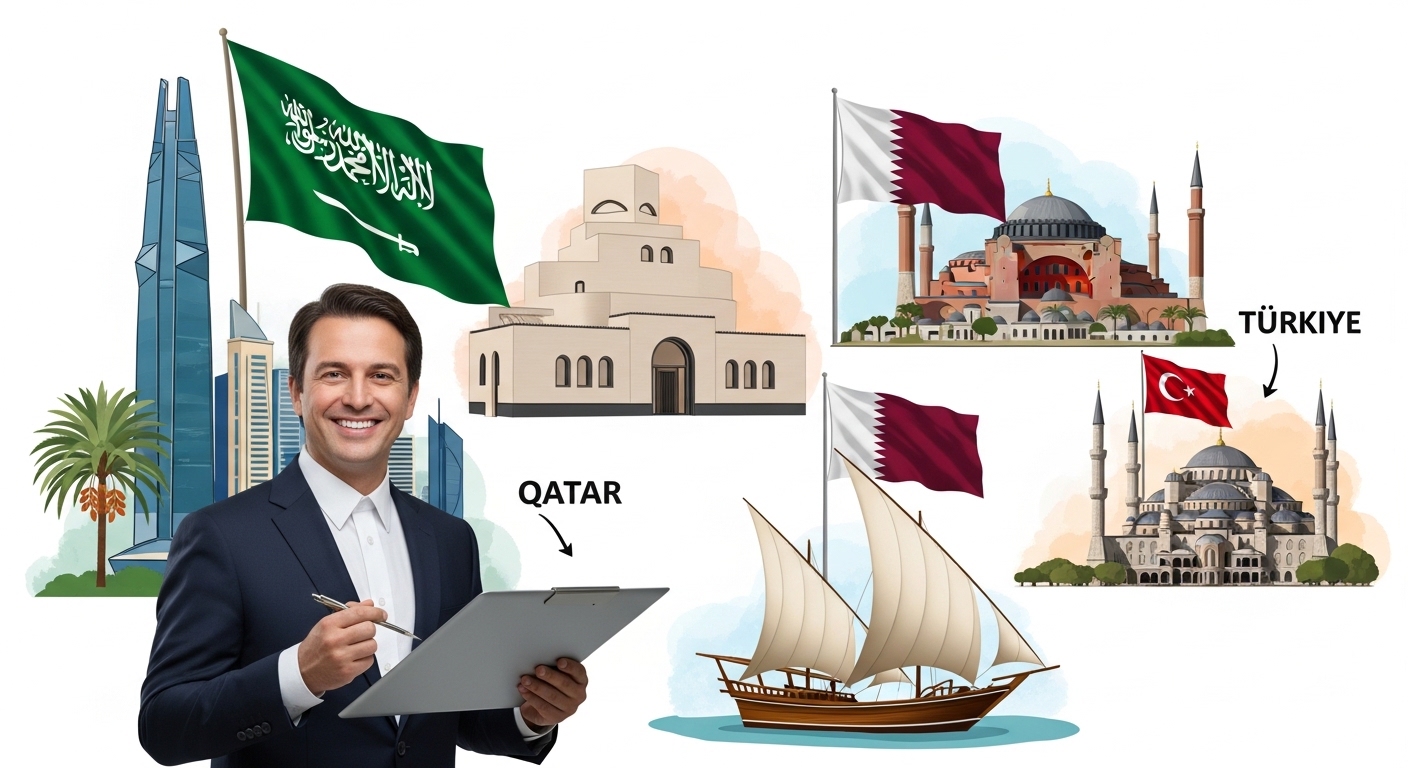
The political climate created a perfect environment for the tour conducted by the Prime Minister. While visiting Saudi Arabia on April 15, Shehbaz Sharif, Pakistan’s Prime Minister, was welcomed traditionally in the city of Jeddah. His meetings in Riyadh involved discussions with Crown Prince and Prime Minister Mohammed bin Salman. Indeed, the Saudi official highlighted the constructive role of Pakistan under Shehbaz Sharif and Field Marshal Syed Asim Munir in the process of de-escalation in the region and confirmed that the relations between the countries were developed in terms of economic collaboration, defense, and joint security. Further cooperation with Saudi Arabia also involved the discussion of investment opportunities for Pakistan, which had been working on stabilizing its economy.
During his visit to Qatar on April 16, the Prime Minister enjoyed the most impressive symbolism. Indeed, according to the Al Jazeera report, Qatari Air Force fighters greeted the aircraft carrying the Prime Minister. Such an honor usually implies a high degree of trust between the states. In Doha, Shehbaz Sharif held his meetings with Emir Sheikh Tamim bin Hamad Al Thani, during which the parties noted the importance of further dialogue and international cooperation for peace and stability in the Gulf. The Qatar’s head thanked. BBC reported that the Emir appreciated Pakistan’s mediation efforts, noting their contribution to regional calm. Energy security, trade and defence cooperation topped the agenda, opening new doors for mutual prosperity.
The final stop in Antalya, Türkiye, on April 17 saw PM Shehbaz participate in the prestigious 5th Antalya Diplomacy Forum. Welcomed by Governor Hulusi Şahin and Pakistan’s Ambassador, the Prime Minister engaged in high-level bilateral meetings, including with Turkish Foreign Minister Hakan Fidan. On the sidelines, discussions with President Recep Tayyip Erdoğan are expected to further bolster the robust Pakistan-Türkiye strategic partnership in defence, trade and people-to-people links. Reuters described the broader context as part of Pakistan’s “remarkable makeover” from a perceived international outcast to a trusted regional mediator, a transformation driven by Islamabad’s proactive diplomacy.
International observers have been effusive in their praise. UK Prime Minister Keir Starmer personally thanked PM Shehbaz Sharif for Pakistan’s “critical role” in securing the two-week ceasefire, according to Downing Street. Iranian President Masoud Pezeshkian has lauded Pakistan’s diplomatic initiatives, while senior analysts in Foreign Policy magazine have called Islamabad a potential “peace broker” capable of navigating complex rivalries. Even US officials have acknowledged Pakistan’s willingness to facilitate talks, with the country emerging as the only actor trusted enough by both Washington and Tehran to convene them on its soil.
📄 POLICY WIRE WHITEPAPER PUBLISHED: PAKISTAN'S NATIONAL SECURITY POLICY PRIORITIES
👉 READ BY CLICKING HEREThis tri-nation tour is far more than routine bilateral engagement; it represents a masterstroke of Pakistan’s enlightened foreign policy under Prime Minister Shehbaz Sharif. By leveraging its unique relationships across the Muslim world and beyond, Islamabad has translated mediation success into tangible gains, strengthening economic partnerships, securing investment pledges and amplifying its voice on global platforms. As international media outlet noted in its coverage of the Doha leg, Pakistan’s parallel diplomatic tracks demonstrate a mature, forward-looking approach that prioritises de-escalation over confrontation.
The diplomacy of Pakistan, which is very sincere and effective, deserves special mention. In times when geopolitical situations are extremely fragmented, Pakistan has shown its maturity by acting like a true global citizen. While others may fail in mediating between enemies, Pakistan excels in offering them hospitality and working on bringing them closer to consensus and agreement through proposing solutions. The diplomatic success that the Prime Minister will bring back from the tour indicates more economic collaboration, strategic relationship, and progress in peace negotiations.
The world is witnessing how important the role of Pakistan’s diplomacy has become in global affairs today. Whether it is the appreciation in Riyadh or warm welcome in Doha and cooperation in Ankara, Pakistan’s diplomacy is bearing fruit. The diplomacy of Pakistan has certainly been reawakened as stated in the words of Reuters.
Author