

Overseas Pakistanis Convention: A Pivotal Moment for Pakistan’s Diaspora Engagement
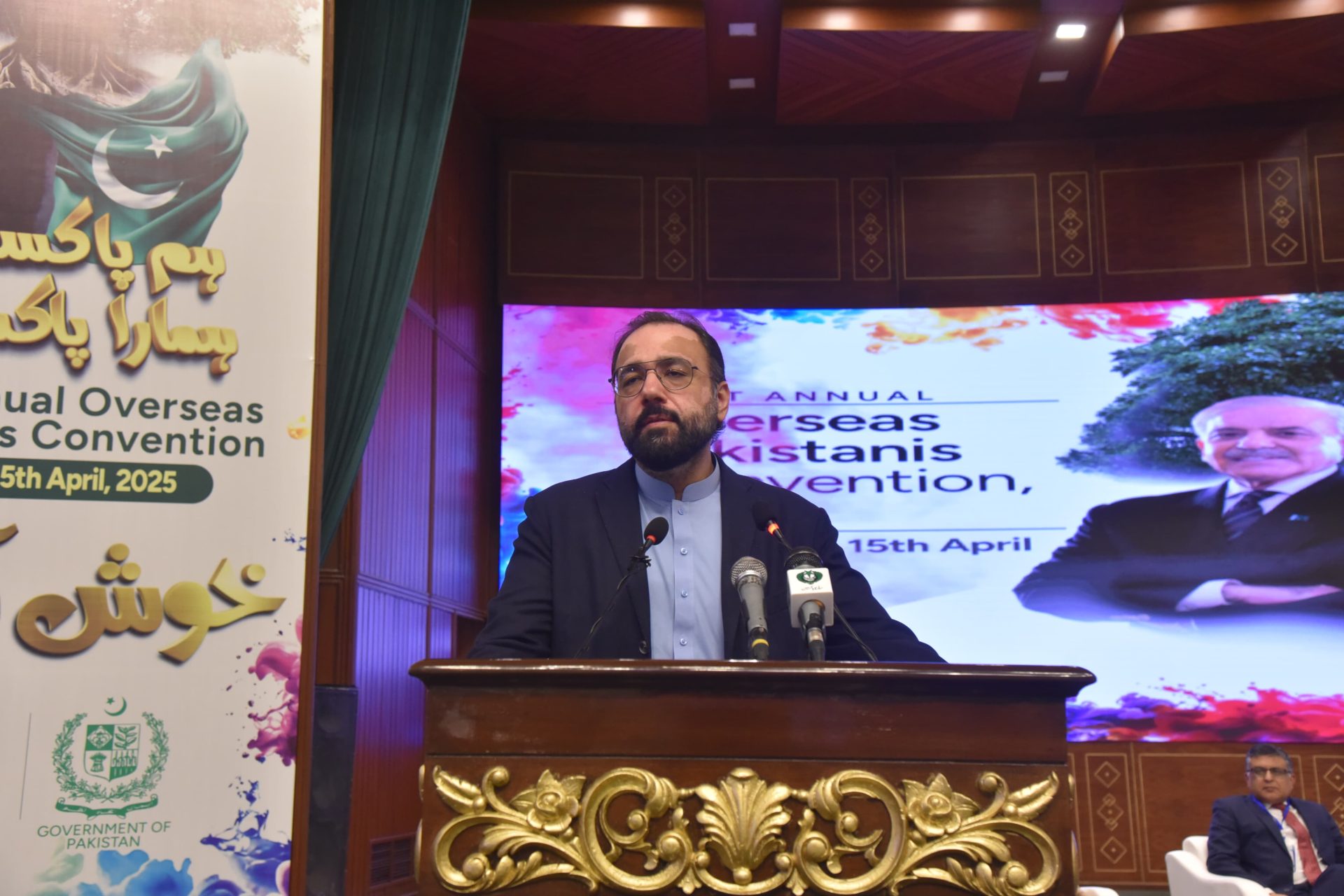
The Overseas Pakistanis Convention, held in Islamabad in April 2025, marked a significant turning point in Pakistan’s relationship with its global diaspora. With over 1,200 expatriates attending from...

The Overseas Pakistanis Convention, held in Islamabad in April 2025, marked a significant turning point in Pakistan’s relationship with its global diaspora. With over 1,200 expatriates attending from 60 countries, the event highlighted the critical role that Pakistan’s overseas community plays in the country’s economic and cultural spheres. But as the government introduced a series of initiatives to address the concerns of overseas Pakistanis, the question remains: Can these efforts translate into long-term benefits for both the diaspora and the nation?
A Step Toward “Brain Gain”
The concept of a “brain drain” has long been associated with Pakistan’s overseas professionals. However, the convention introduced the idea of a “brain gain,” shifting the narrative from loss to potential. Overseas Pakistanis, who have made significant strides in fields like technology, healthcare, and education, are often seen as untapped assets. Their skills, once seen as lost to foreign economies, could be harnessed to propel Pakistan forward.
The government’s announcement of a 5% educational quota for the children of overseas Pakistanis is a move in the right direction. However, it is not enough. For Pakistan to truly benefit from the intellectual capital of its diaspora, more formalized channels of collaboration are needed. The establishment of a National Diaspora Innovation Fund, which could channel expertise and capital into high-growth sectors such as tech and renewable energy, would be a logical next step. Additionally, stronger ties between Pakistani universities and global institutions could foster joint research and professional exchanges that would elevate the nation’s educational standards.
Financial Investment: Beyond Remittances
Overseas Pakistanis are one of the country’s largest sources of income, with remittances totaling billions of dollars every year. Yet, the financial contribution of the diaspora goes largely untapped when it comes to investment in the country’s growth. While the government has made some strides by offering tax incentives and special legal provisions for expatriates, the opportunities for investment in sectors like real estate, infrastructure, and technology remain underdeveloped.
To truly harness the financial power of overseas Pakistanis, the government must expand its initiatives to create a more favorable investment climate. This could include easing access to venture capital, offering tax exemptions for overseas investors, and creating platforms that simplify the investment process. Diaspora bonds- funds raised from overseas Pakistanis for development projects- could be a practical tool for funding infrastructure, healthcare, and education projects in the country.
Political Advocacy: A Voice for the Diaspora
Despite their significant contributions, overseas Pakistanis often find themselves without a meaningful political voice in Pakistan. Their involvement in global political advocacy is undeniable, but they remain excluded from key decisions in Pakistan’s domestic political processes.
The government’s failure to allow overseas Pakistanis to vote in national elections is a glaring oversight. Countries like India and the United States have successfully incorporated their diaspora into the political system, and Pakistan should follow suit. Online voting systems or absentee ballots could allow expatriates to participate in elections, giving them a stronger stake in the nation’s political future.
In addition to voting rights, Pakistan should create platforms where overseas Pakistanis can provide direct input on national issues. Advisory councils or consultations with diaspora leaders could help ensure that policies are reflective of the needs and aspirations of the community.
Cultural Diplomacy: Strengthening Ties Through Heritage
Beyond financial and political engagement, overseas Pakistanis also play an important role in promoting Pakistan’s cultural identity abroad. The convention underscored the importance of these emotional and cultural ties, with events celebrating Pakistan’s food, music, and history. These cultural connections can also be leveraged for diplomatic purposes.
Cultural diplomacy has the potential to strengthen Pakistan’s global image and build soft power. The government should look to expand cultural exchange programs that engage the diaspora in promoting Pakistan’s rich heritage. Overseas Pakistanis are well-positioned to serve as ambassadors of the nation, helping to raise awareness about Pakistan’s history, art, and social issues on the international stage.
Digital Engagement: The Future of Diaspora Connections
One of the most promising developments in recent years is the growing role of technology in bridging gaps between Pakistan and its diaspora. Younger generations of overseas Pakistanis are increasingly involved in the digital economy, and their knowledge and skills could play a pivotal role in advancing Pakistan’s technological and entrepreneurial sectors.
To capitalize on this, the government should focus on creating digital platforms for collaboration. Virtual hubs where overseas Pakistanis can share expertise, invest in local startups, or mentor young entrepreneurs could help fuel Pakistan’s digital transformation. These platforms could also serve as valuable tools for connecting expatriates with homegrown talent, leading to increased knowledge transfer and innovation.
The Overseas Pakistanis Convention has certainly opened up new possibilities for engagement between Pakistan and its diaspora. The government’s initiatives, including educational quotas, tax incentives, and special legal provisions, are important first steps. However, to truly capitalize on the potential of overseas Pakistanis, a more comprehensive and strategic approach is needed.
A National Diaspora Innovation Fund, expanded investment opportunities, the granting of voting rights, and a focus on digital engagement are just a few areas where the government can further its efforts. By doing so, Pakistan can tap into the full potential of its global community, ensuring that overseas Pakistanis are not just contributors to the nation’s economy but active participants in its future growth and development. The convention was a promising start. Now, it is up to the government to ensure that the momentum generated continues and translates into lasting change for both Pakistan and its overseas community.
Author