

Albuquerque’s Dollar Dogs and Mariachi Melodies: A Microcosm of America’s Enduring Localism
POLICY WIRE — Albuquerque, N.M. — It isn’t the grand pronouncements from Washington, nor the tumultuous shifts in global power, that often anchor a community’s soul. No, sometimes...

POLICY WIRE — Albuquerque, N.M. — It isn’t the grand pronouncements from Washington, nor the tumultuous shifts in global power, that often anchor a community’s soul. No, sometimes it’s the peculiar ritual of a Dollar Dog Night, the insistent pop of fireworks, or the vibrant strains of mariachi music emanating from a local baseball stadium. In Albuquerque, this week, such seemingly trivial fixtures of civic life are set to commence, offering a fascinating, if subtle, commentary on America’s enduring localism.
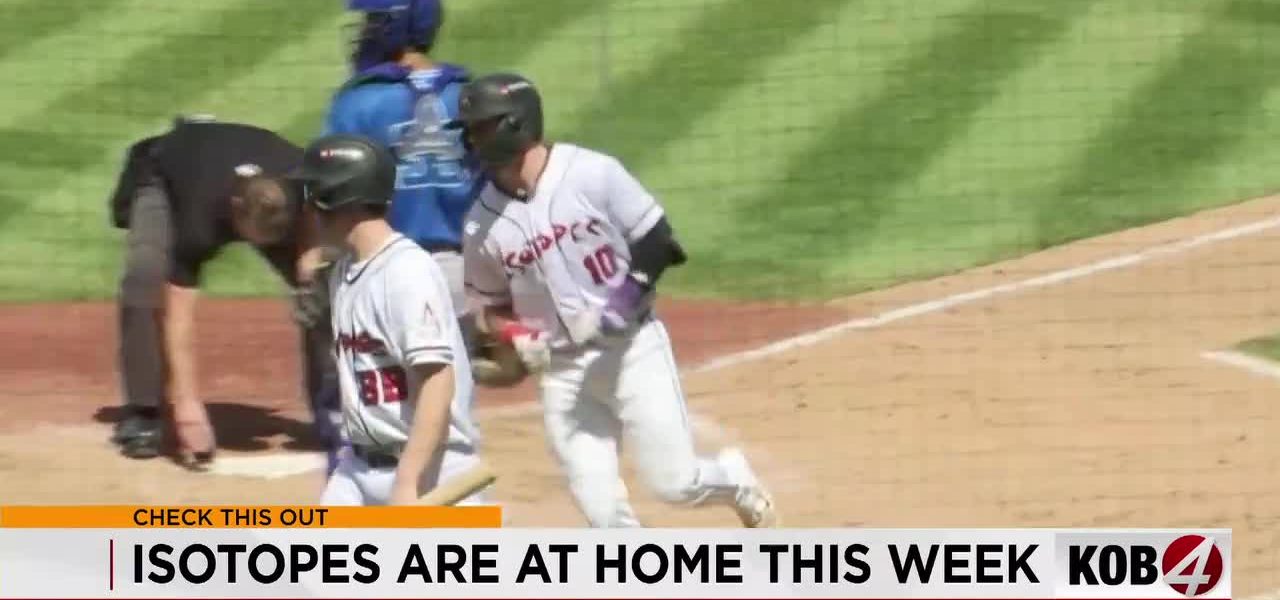
The Albuquerque Isotopes, a minor league affiliate whose very name evokes a certain scientific whimsy (a nod to the city’s nuclear legacy), are poised to initiate a six-game homestand against their cross-border rivals, the El Paso Chihuahuas. On paper, it’s just another series in the Pacific Coast League. But dig a little deeper, won’t you, and you’ll discern the cultural currents flowing beneath the meticulously manicured diamond.
Tuesday unfurls with the much-anticipated Dollar Dog Night, an economic balm for families and a caloric indulgence for the masses. It’s a testament to the enduring appeal of accessible entertainment, a brief respite from grocery bills and the ceaseless hum of more pressing national anxieties. Then, the weekend offers Little League Nights, twin evenings punctuated by pyrotechnic displays after each contest. These aren’t merely promotional stunts; they’re generational anchors, cementing memories for countless youngsters whose dreams of glory are perhaps kindled under those very stadium lights. And Sunday, the pièce de résistance: Mariachis de Nuevo Mexico Day, where the first 3,000 fans of a certain age receive a commemorative jersey, courtesy of a local credit union. It’s a vibrant affirmation of New Mexico’s rich Hispanic heritage, a visual and auditory celebration that transcends the sport itself. Frankly, it’s more than just a game; it’s a cultural cornerstone.
The Isotopes, currently locked in a four-way tie for first place in the Pacific Coast League, aren’t just vying for a pennant; they’re cultivating civic pride, generating local commerce, and providing a communal hearth in an increasingly atomized world. That’s no small feat. Consider this: Minor League Baseball itself, a sprawling network of community teams, generates an estimated economic impact of $4.1 billion annually across the United States, according to a 2018 study by the organization. It’s a significant, if often overlooked, engine of local prosperity.
“These events aren’t just about runs and strikeouts; they’re about building community, fostering a sense of belonging,” shot back John M. Smith, General Manager for the Isotopes, during a recent press availability. “We’re selling an experience, a memory, a few hours where folks can forget the daily grind and just… be together.” It’s a sentiment that echoes in countless towns across America, where minor league teams serve as more than just a professional pipeline; they’re fundamental to the urban fabric. But it’s not just the team’s perspective that matters.
Councilwoman Maria Rodriguez, a staunch advocate for local businesses, underscored the broader civic dividend. “Every dollar spent on a ticket or a hot dog here circulates through our local economy. It supports jobs, strengthens small businesses, and reminds everyone what makes Albuquerque special,” she asserted, her voice ringing with conviction. “It’s an investment in our collective spirit, isn’t it?” She’s right, it’s. These aren’t just games; they’re local investments.
📄 POLICY WIRE WHITEPAPER PUBLISHED: PAKISTAN'S NATIONAL SECURITY POLICY PRIORITIES
👉 READ BY CLICKING HEREBehind the headlines of inflation and international skirmishes, this tableau of local sport offers a compelling counter-narrative. It’s a testament to the enduring human need for shared spectacle, for heroes, however minor league, and for rituals that bind us together. One might even draw parallels to the passionate, almost spiritual, devotion that grips nations like Pakistan for cricket, where the game transcends mere sport to become a national obsession—a unifying force in a frequently fractured landscape. The specific details differ, of course, but the underlying human impulse for collective identity and shared emotional experience, whether through cricket idolatry or Dollar Dog nights, remains strikingly universal.
What This Means
At its core, this Albuquerque homestand isn’t merely a series of baseball games; it’s a vital economic and social current in the city’s lifeblood. Economically, the influx of fans translates directly into revenue for local concessions, merchandise vendors, and indirectly, surrounding restaurants and bars. It’s a recurring, predictable boost for the service sector, providing stability in an often-unpredictable retail environment. Politically, these events serve as powerful, albeit informal, tools for civic cohesion. In an era marked by deep partisan divides, a shared allegiance to a local team—regardless of political persuasion—provides a rare common ground, a temporary truce in the culture wars. It’s a reminder that community identity can still trump national fractiousness, fostering a sense of shared purpose and collective pride that’s often lacking in larger political discourse. the celebration of Mariachis de Nuevo Mexico Day speaks to a broader cultural imperative: the recognition and valorization of diverse heritage within the American tapestry. It shows how local institutions can simultaneously entertain and educate, subtly reinforcing cultural bonds and celebrating the unique flavors that define a region.
Still, the enduring allure of minor league baseball, particularly in places like Albuquerque, serves as a poignant reminder. While global events dominate our screens and conversations, it’s the rhythm of local life—the crack of the bat, the cheer of the crowd, the dollar hot dog—that quietly, consistently, stitches together the disparate threads of daily existence. It’s the steadfast drumbeat of belonging, a quiet refusal to let the broader world entirely dictate the pace of one’s own small corner of it.