

One Nation Standing, One Nation Cracking
On a calm spring morning, the area shook, not only from the sound of missiles but also from a more profound reckoning. Within hours of the Pahalgam event, the media apparatuses in Pakistan and India...

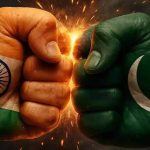
On a calm spring morning, the area shook, not only from the sound of missiles but also from a more profound reckoning. Within hours of the Pahalgam event, the media apparatuses in Pakistan and India were ablaze. As anticipated, India erupted in charges and nationalist rhetoric, and its media spun combative tales to divert attention from the truth. On the other side of the border, however, something extraordinary was taking place, not merely a military reaction, but a unity of power and spirit among the nation. Pakistan’s pulse raced faster as India’s shout became louder. South Asia’s history was defined by the events of the following 19 days. A clear decision quickly emerged from what had started as a risky escalation: Pakistan stood unified. India remained split.
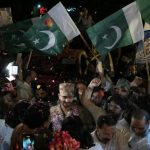
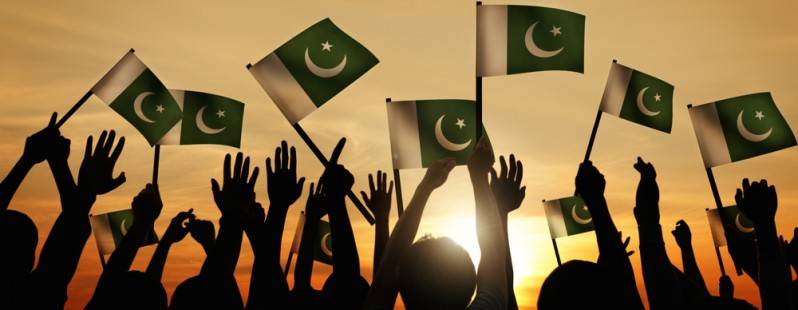
Pakistanis reacted cohesively rather than chaotically, from the snow-capped hills of Hunza to the winding lanes of Lahore. There were no intellectual disputes, political disagreements, or sectarian conflicts. Rivals in politics had a similar message. Religious groups prayed for strength and peace. Mosques provided soldiers with special prayers. Churches and gurdwaras conducted vigils and lit candles. Even Pakistan’s frequently polarized internet community transformed into a digital unifying force. One topic reverberated throughout the country, from drawing rooms to college campuses: Pakistan’s sovereignty and dignity. This togetherness was natural, sincere, and unshakeable; it was not imposed by the state. There were 250 million people, and they all stood like one wall. An actual example of the Quranic concept of “Bunyan-un-Marsoos”, a strong, unyielding, and firmly linked structure.
Pakistan’s military secretly prepared its response as India’s war rhetoric reached a fever pitch. DG ISPR Lieutenant General Ahmed Sharif Chaudhry spoke to the country on May 11, 2025. With Pakistan Navy and Air Force commanders by his side, he calmly and authoritatively disclosed the scope and accuracy of Operation Bunyan-un-Marsoos. The tri-services campaign has previously been carried out with remarkable success. Airbases at Sirsa, Udhampur, Suratgarh, Bhuj, and Adampur, as well as BrahMos missile stores and S-400 systems, were among the 26 Indian military targets that had been precisely targeted. The strikes, which disrupted Indian command and control networks for hours, were executed using Pakistan’s sophisticated Fateh-series ballistic missiles, loitering drones, and cyber operations. There were no Indian civilian casualties. In sharp contrast to India’s indiscriminate bombing of civilian neighborhoods in Lahore, Sialkot, and Nankana Sahib, Pakistan’s goal was to neutralize rather than to terrorize.
Pakistan opted for discipline and clarity in a world that is frequently fixated on escalation. DG ISPR vehemently denied the misinformation propagated by Indian media about crashed Pakistani jets and detained pilots, saying, “Pakistan did not request a ceasefire.” India did. And we didn’t think about de-escalation until we had accomplished our strategic goals. Both the evidence and the Indian government’s silence, which was no longer sufficient to conceal the failure of its misadventure, spoke for themselves.
While Pakistan showed unity and authority, India’s internal divisions were apparent. As news spread throughout the Indian Union, it became clear that New Delhi’s hold was weakening. In Punjab, Sikh farmers publicly refused to let their land be exploited for war, blocking Indian military convoys. Regions with a Christian majority disobeyed Delhi’s directives in Nagaland and Mizoram. Once more, Muslims flocked to the streets of Kashmir to protest rather than to make a plea. Dalits marched against injustice based on caste in the meantime. Criticizing a government, they no longer trusted, farmers in Haryana and Uttar Pradesh resumed their demonstrations. Tamil Nadu and Kerala reaffirmed their demands for regional autonomy in the South, denouncing the imposition of Hindutva and Hindi.
These outbursts weren’t isolated. They were signs that a building was collapsing. India’s oneness, which it portrayed to the world, was actually a patchwork of complaints that had been forced together. The fundamental ideology, Hindutva, ceased to serve as a unifying characteristic. Muslims, Christians, Dalits, and dissident Hindus were all shunned by this oppressive straitjacket.
Everyone noticed. Because of its persistent abuses of religious freedom, India was named a “Country of Particular Concern” by the U.S. Commission on International Religious Freedom. India’s harsh policies in Kashmir and its systematic discrimination against minorities were sharply condemned by Amnesty International and Human Rights Watch. India’s slide into dictatorship was exposed by investigative pieces published by major international newspapers, including The Guardian, The Washington Post, and the BBC. India’s conflicts with Sikh diaspora populations overseas and its repression of free expression at home have caused diplomatic disquiet among traditional allies, such as Canada, Australia, and EU states.
📄 POLICY WIRE WHITEPAPER PUBLISHED: PAKISTAN'S NATIONAL SECURITY POLICY PRIORITIES
👉 READ BY CLICKING HEREPakistan, in stark contrast, became a representation of composure, unity, and legitimacy. Beyond just a military action, action Bunyan-un-Marsoos was more. It was reaffirmed nationally. It demonstrated that a person’s actual strength is found in their unity as a people, not in the size of their armament. Pakistan had camaraderie, not slogans, to keep it together. The people of Pakistan came together to rise against both internal and external violence. Detractors become patriots. Rivalries between politicians ended. Religious distinctions ceased to matter. 250 million people stood together for once.
The difference was inevitable when the operation came to an end and Pakistan announced that its goals had been met. One nation was like a wall. Under its own weight, the other was breaking. India saw itself losing control over its narrative, its people, and its image, while Pakistan gained strength in unity.
Historical evidence indicates that internal collapse, rather than outside invasions, is what brings nations to their knees. Nations start to disintegrate when unity breaks down and when public confidence in their government wanes. India is disintegrating internally, not due to external pressure. The voice of a republic betrayed by its own leadership is what is causing the growing dissent in Tamil Nadu, Punjab, Nagaland, and Kashmir, not foreign plots. These are echoes of the frustration of citizens who feel ignored, under-represented, and overlooked; they are calls for justice, equality, and dignity.
One thing seems clear after all is said and done: Pakistan not only passed this test, it shaped it. Its answer was based on moral restraint, strategic clarity, and the collective will of its citizens. It set a red line and stood firmly behind it, both morally and militarily. India now has to face its own inconsistencies. As long as its own house is split, it cannot hope to defeat a united opponent. The growing dissonance within cannot be silenced by a fabricated war cry, media blitz, or drone strike. Greater intelligence, not more weapons, is what South Asia needs. Both have been displayed by Pakistan at this crucial time. More than a country, it is a cause. And the wall of justice, solidarity, and unflinching fortitude, Bunyan-un-Marsoos, stands as its emblem. And it remains, unaffected.
.
Author