


Albuquerque’s Quiet Roar: Soccer’s Unlikely Ascent in the Land of Enchantment
POLICY WIRE — Albuquerque, New Mexico — It wasn’t the roar of 10,000 horsepower engines, nor the clamor of political rallies, that briefly captivated Albuquerque on a recent Saturday night....

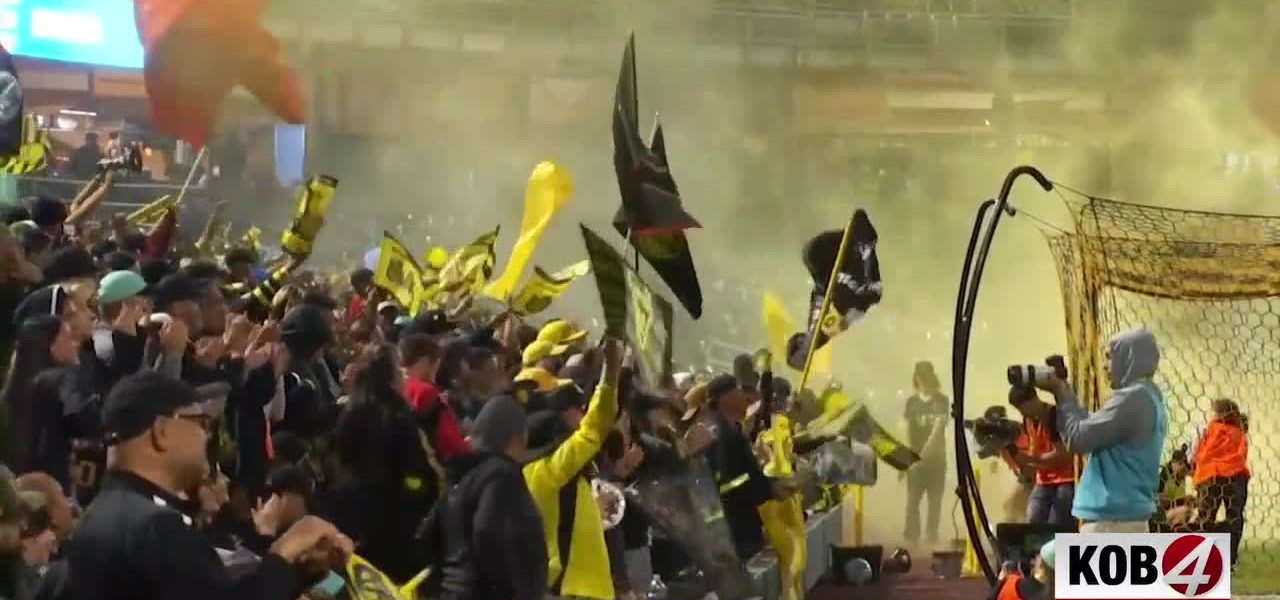
POLICY WIRE — Albuquerque, New Mexico — It wasn’t the roar of 10,000 horsepower engines, nor the clamor of political rallies, that briefly captivated Albuquerque on a recent Saturday night. Instead, a more understated, yet arguably more profound, sound filled Rio Grande Credit Union Field: the jubilant eruption of a city collectively exhaling as New Mexico United secured a hard-fought 2-1 victory over AV Alta FC. This isn’t merely a sports recap; it’s a window into the subtle geopolitical currents shaping American urban identities and the expanding global footprint of the beautiful game.
Behind the headlines of goals and saves lies a compelling narrative of civic pride and nascent economic opportunity, particularly in regions often overlooked by coastal power brokers. The United Soccer League (USL) Championship, with its growing roster of ambitious clubs, increasingly serves as a barometer for municipal vitality, turning local matches into proxies for broader community aspirations. And Albuquerque, with its unique blend of Southwestern heritage and burgeoning tech industries, is proving a fertile ground for this phenomenon.
The match itself, a gritty affair that saw United tied at the half, was a microcosm of the city’s tenacious spirit. Gedion Zelalem, a midfielder with a surprising global pedigree, sliced a precise cross in the 75th minute. Niall Reid-Stephen, demonstrating an almost preternatural awareness, nodded it on, allowing Justin Rennicks to pounce. It was Rennicks’ inaugural home goal— a moment that reverberated through the stands, sealing the 2-1 triumph and sending fans into a paroxysm of delight. That single play, a fleeting instance of athletic prowess, encapsulated the club’s—and by extension, the city’s—capacity for resilience. It’s what you might call a defining moment, isn’t it?
For Albuquerque, a city striving to shed outdated perceptions, New Mexico United isn’t just a football club; it’s a brand ambassador. “These victories, they’re not just about three points in a standings table,” asserted Peter D. Wirth, New Mexico State Senator for District 25, a known advocate for local economic development. “They’re about showcasing our spirit, attracting investment, and fostering a shared sense of identity that can be surprisingly potent. We’re telling a story here, one where New Mexico isn’t just a flyover state, but a destination.” It’s a compelling argument, considering the significant, if sometimes overlooked, role of local sports in urban renewal.
Still, the stakes extend beyond the immediate economic ripple. The global tapestry of football itself, even in its lower tiers, offers a fascinating reflection of interconnectedness. Just as cricket galvanizes communities from Karachi to Kolkata, or kabaddi unites disparate villages in Punjab, soccer in Albuquerque draws together a diverse populace, including a growing number of residents with ties to the Muslim world. The sport’s universal language—its drama, its communal celebration—transcends cultural divides, offering a shared civic space. It’s a subtle yet powerful form of soft diplomacy, a common ground where differences momentarily dissolve.
The USL Championship, a league often overshadowed by Major League Soccer, has quietly cultivated a robust following. With an average attendance of over 4,500 fans per match in the 2023 season (Source: USL Championship Official Data), it represents a significant, often underestimated, economic and social force in its respective markets. These aren’t merely spectators; they’re consumers, diners, and temporary tourists, injecting capital into local economies. And don’t forget the merchandise sales!
📄 POLICY WIRE WHITEPAPER PUBLISHED: PAKISTAN'S NATIONAL SECURITY POLICY PRIORITIES
👉 READ BY CLICKING HERENew Mexico United’s President — and Owner, Ed Garcia, didn’t mince words about the club’s broader mission. “We’re building something consequential here, a legacy that extends far beyond the pitch,” he contended, his voice resonating with an owner’s conviction. “Every win, every packed stadium, it’s a testament to what a community can achieve when it rallies behind a common banner. We’re not just playing soccer; we’re investing in our future, nurturing a sense of belonging in a state that craves it. We’ve seen it transform neighborhoods.” One could even argue that such initiatives, much like the global sports-industrial complex, are shaping the very fabric of local and national identities.
What This Means
At its core, this seemingly routine soccer victory for New Mexico United carries several weighty implications. Politically, it provides local leaders with a tangible narrative of success and dynamism, a counterpoint to the perennial challenges of economic diversification and rural-urban divides. A winning team galvanizes civic engagement, fostering social cohesion that can translate into voter turnout, volunteerism, and a general uplift in public morale. It’s an invaluable, often understated, form of soft power for a municipality.
Economically, the impact is more direct, albeit localized. Each home match generates revenue for local businesses—restaurants, bars, parking facilities, and retail. It also burnishes Albuquerque’s image, making it more attractive for potential investors and tourists, perhaps even more so than the subtle rivalries encapsulated in New Mexico’s local high school sports scene. The sustained growth of a professional sports franchise, even a lower-tier one, creates jobs and stabilizes local micro-economies, transforming transient leisure into a consistent economic engine. The May 5th match against El Paso Locomotive FC isn’t just another game; it’s another opportunity for economic injection.
Socially, the shared experience of cheering for a local team offers a vital outlet for collective identity and belonging, particularly in an era of increasing fragmentation. It’s a communal ritual that transcends socioeconomic strata, providing a common narrative and a safe space for emotional release. For communities, these moments of shared euphoria are invaluable, reinforcing bonds and reminding residents of what they’ve in common, not what divides them. This win, then, wasn’t just a triumph on the field; it was a small, yet significant, triumph for the complex ecosystem of Albuquerque itself.