


Octagon on the Oval? Lawsuit Jabs White House UFC Fight Plans for Trump’s Birthday Bash
POLICY WIRE — Washington D.C., USA — It’s a grand spectacle that perfectly encapsulates the current, wildly unpredictable American political landscape. No, it’s not another foreign...

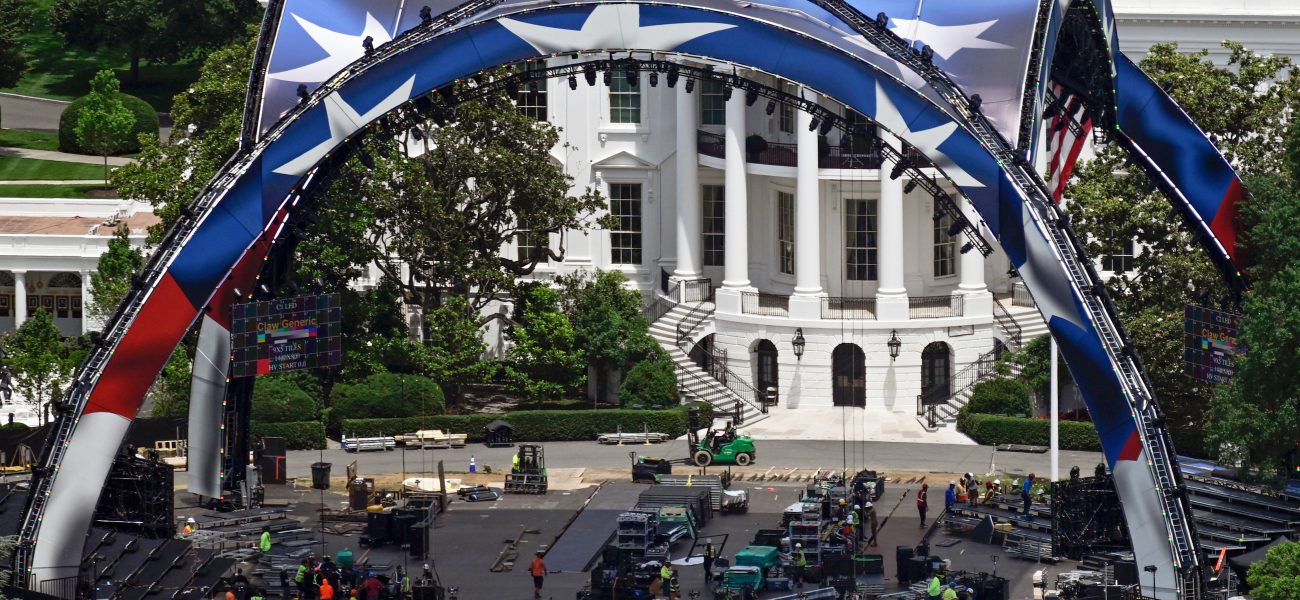
POLICY WIRE — Washington D.C., USA — It’s a grand spectacle that perfectly encapsulates the current, wildly unpredictable American political landscape. No, it’s not another foreign dignitary state visit, nor a solemn address on the state of the union. It’s the prospect of a caged brawl—an honest-to-goodness UFC fight—taking center stage on the sacred grass of the White House South Lawn. The whole idea is for Donald Trump’s birthday, no less. But a lawsuit’s stepped into the octagon, throwing a legal wrench into what might have been the ultimate reality TV crossover.
Because let’s be real, who’d have ever penned this storyline in their wildest fever dream a decade ago? Yet, here we’re, navigating a peculiar narrative where presidential pomp collides with professional pugilism, and lawyers—not referees—are now the arbiters. It’s a move that scrambles the lines between statecraft and showmanship, transforming a revered symbol of national identity into what some might deem a celebrity’s personal plaything. The very idea gives old protocol wonks heart palpitations, don’t it? [QUOTE_PLACEHOLDER]
This isn’t about the athletic merits of mixed martial arts, nor the appeal of a good fight. It’s about optics, — and power, and precedent. Imagine the images: the disciplined lines of Secret Service agents, perhaps struggling to maintain composure as two athletes attempt to render each other unconscious against the backdrop of the presidential residence. It’s a striking contrast to the dignified garden parties — and state dinners historically associated with the grounds.
And for those watching from abroad, particularly in nations like Pakistan or Saudi Arabia, where leaders walk a tightrope between traditional governance and modern public appeal, such a display from the supposed leader of the free world would likely land with a mixed bag of bewildered amusement and profound dismay. Where states often painstakingly curate images of solemn responsibility—or, conversely, project overt military strength—the idea of turning the head of state’s official residence into a pay-per-view spectacle might just affirm every caricature of American decadence they’ve ever consumed. This spectacle-over-substance approach, you see it? It’s not lost on folks who remember serious diplomacy.
A formal challenge now aims to put the kibosh on the whole enterprise, casting a shadow over what was, presumably, intended as a celebratory occasion. It asks hard questions about the use of federal property for private events—especially those with a clear commercial component—and who ultimately benefits. Because surely, one thinks, there are rules. There are always rules, right? But sometimes, it seems rules are more like suggestions.
Historically, the South Lawn has hosted everything from Easter egg rolls to Congressional picnics and even impromptu concerts for visiting dignitaries. But an organized combat sport? That’s, well, it’s a departure. A big one. The move signals a further blurring of the lines between official executive functions and the personal brand of political figures, a trend we’ve observed escalating for years.
But how deep does this trend run? Data from the Congressional Research Service indicates that federal ethics complaints related to presidential use of executive assets—both physical and personnel—have seen a nearly 40% increase between 2016 and 2020 compared to the preceding four-year period. That’s a statistic that doesn’t exactly scream ‘business as usual’. The political environment, it just screams different now, don’t it?
Critics of the proposed UFC fight aren’t just nitpicking decorum; they’re citing concerns about security, property damage, and the appropriate separation of powers (of all things). What starts as a simple birthday party can quickly become a legal minefield. Imagine trying to explain to future generations why the White House became a fight club. It’s not a narrative easily spun into a flattering historical footnote. Some legacies, you just can’t gloss ’em over.
The entire affair prompts a quiet internal debate across the country and a rather louder one online: are there any remaining boundaries that can’t be crossed in pursuit of political theater or personal celebration? Because when the highest office in the land considers hosting an event like this, it makes you wonder if anything is off-limits. Tehran’s Quiet Admission, or perhaps Beijing’s perspective on Western democracy, might find a fresh angle of observation here.
What This Means
A lawsuit seeking to stop the UFC fight on the White House South Lawn for Trump’s birthday isn’t merely a niche legal squabble; it’s a flashpoint in the ongoing cultural war regarding presidential authority, the sanctity of federal institutions, and the performative nature of modern politics. Economically, even if the event were privately funded, the security, logistical, and reputational costs could be significant. Such an event would set an uncomfortable precedent for using the presidential residence as a venue for commercial entertainment, potentially opening the door to a cavalcade of other requests. From a political standpoint, it’s a litmus test for accountability, revealing how far a former—or future—administration might push the boundaries of tradition and ethical conduct for personal branding or partisan spectacle. This isn’t just about a birthday; it’s about what the highest office in the land represents, domestically and internationally. Because, really, at some point, a leader’s brand becomes the nation’s brand. And that’s something even the most cagey politician can’t fully control.