


Velvet Gloves and Brass Knuckles: India’s Western Trade Gambit Kicks Off in London’s Lingering Post-Brexit Haze
POLICY WIRE — London, United Kingdom — The air’s been thick with a peculiar kind of desperation in Whitehall since 2016. A relentless hunt for trade partners, an almost frantic desire to prove that...

POLICY WIRE — London, United Kingdom — The air’s been thick with a peculiar kind of desperation in Whitehall since 2016. A relentless hunt for trade partners, an almost frantic desire to prove that ‘Global Britain’ wasn’t just a nice-sounding bumper sticker. And now, quite suddenly, they’ve got one of the big ones. India’s free-trade agreement with the United Kingdom didn’t just glide into effect this Wednesday; it stomped in, laden with promises and geopolitical baggage. This isn’t just about tariffs and textiles; it’s a high-stakes, real-world stress test for New Delhi’s grand vision of courting Western economic giants—and London’s persistent need to validate its lonely, post-European existence.
No grand fanfares. No red carpets rolled out across the Thames. Just the quiet whir of gears shifting on global balance sheets, offering immediate tariff relief for businesses on both sides. But make no mistake: behind that calm exterior, there’s an awful lot of political jostling. For India, this pact with a somewhat diminished but still economically influential UK is a low-key dry run for bigger fish like the European Union and the United States. It’s an opportunity to sniff out the concessions, the sticky compliance demands, and the maddening implementation challenges that are sure to crop up when you’re doing business with entrenched Western powers who, let’s be honest, often operate with a condescending air of ‘we know best.’
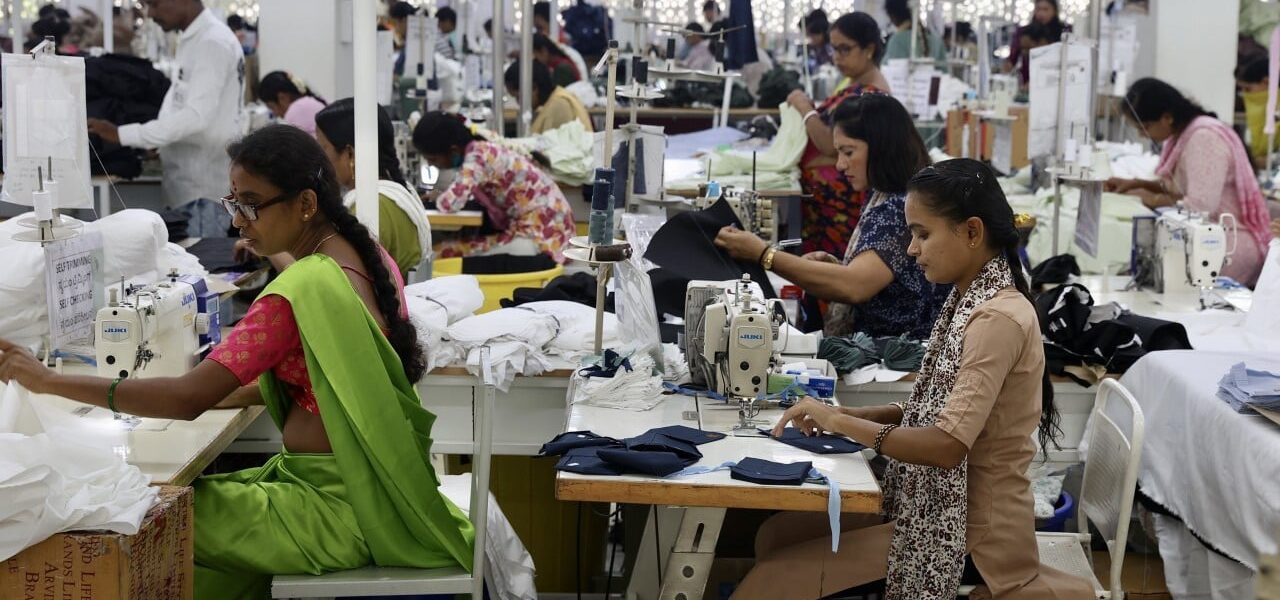
British sectors, particularly the high-margin ones like luxury vehicles — and premium spirits, are positively giddy. They’re eyeing India’s burgeoning middle class, picturing pound signs. Meanwhile, Indian textile mills and leather artisans are readying their looms and workshops, anticipating a boom as 99 percent of tariffs melt away. But it’s more complicated than that. Much more. There’s always an unspoken negotiation, isn’t there? A question of whose economic philosophy ultimately wins the day.
And let’s not forget the UK, still grappling with the sheer economic messiness of its European divorce. This deal is, for many within the Conservative Party, a necessary win. A bit of balm for the ongoing trade wounds. “This isn’t just about Scotch whisky; it’s about signaling to the world that Global Britain’s open for business—and that we’re darn good at making deals, even if some on the Continent didn’t quite grasp it,” a visibly relieved Secretary of State for Business and Trade, James Cleverly, reportedly told aides last week, an official offering this tidbit on background. You could almost feel the collective sigh of relief.
But India, it doesn’t give a dime without calculating its moves. India’s Commerce Minister Piyush Goyal, known for his no-nonsense approach, has repeatedly hammered home that New Delhi won’t be swayed by anyone’s sentimentality. “We’re not signing blank checks. Our partnerships are built on mutual respect and advantage,” Goyal asserted in a recent Delhi presser, a rare departure from the usual diplomatic platitudes. “This isn’t just a deal for London; it’s a bridge to our economic future, on our terms.”
📄 POLICY WIRE WHITEPAPER PUBLISHED: PAKISTAN'S NATIONAL SECURITY POLICY PRIORITIES
👉 READ BY CLICKING HEREThose terms, it turns out, often include careful balancing acts across Asia. Think about it: how does a surging India, increasingly tied to Western markets, position itself within the broader South Asian landscape? Pakistan, for one, has watched India’s deepening engagement with both Washington and London with a mixture of apprehension and strategic contemplation. Its own economic corridors are —let’s be honest— far less open, and its ties to the UK and other Western nations have a very different flavor, often steeped in development aid rather than pure trade expansion. As India’s industrial base strengthens, fueled by deals like this, its regional neighbors, particularly those in the Muslim world, have to recalibrate their own playbooks. Where do they fit in this new economic order?
It’s not just about what India *gets* from the UK, but what it *learns*. What regulations will pinch the most? What demands for labor standards or environmental protections prove truly burdensome? Because if it struggles with Britain—a medium-sized, post-Brexit player—then facing the behemoth that’s the EU will be an even steeper climb. According to the UK’s Department for Business and Trade, bilateral trade between the two nations stood at £38.1 billion in 2022. That’s a decent chunk of change, sure, but a figure many analysts expect to surge dramatically if this new framework truly clicks, setting a precedent that others will surely scrutinize.
What This Means
This Anglo-Indian pact is more than a handshake; it’s a dress rehearsal for India’s geopolitical debut on the global trade stage. Politically, it signals New Delhi’s shrewd capacity to negotiate favorable terms, even with historical colonial powers, carving out space for its economic aspirations without bending entirely to Western liberal trade dictates. Economically, while the immediate gains for specific industries are clear, the bigger picture concerns India’s industrial policy. How much access will India genuinely allow beyond these initial sectors? And for Britain, this deal offers a much-needed morale boost, a small counter-narrative to the persistent narrative of economic woes following its split from the EU. But don’t mistake a boost for a solution. Its longer-term trajectory still faces major policy questions that an India deal, however significant, can’t fully answer. It’s a calculated gamble on both sides—one where the stakes are far higher than merely shifting goods.