

“Not So Untouchable”: How Iran Cracked Israel’s Iron Shield!
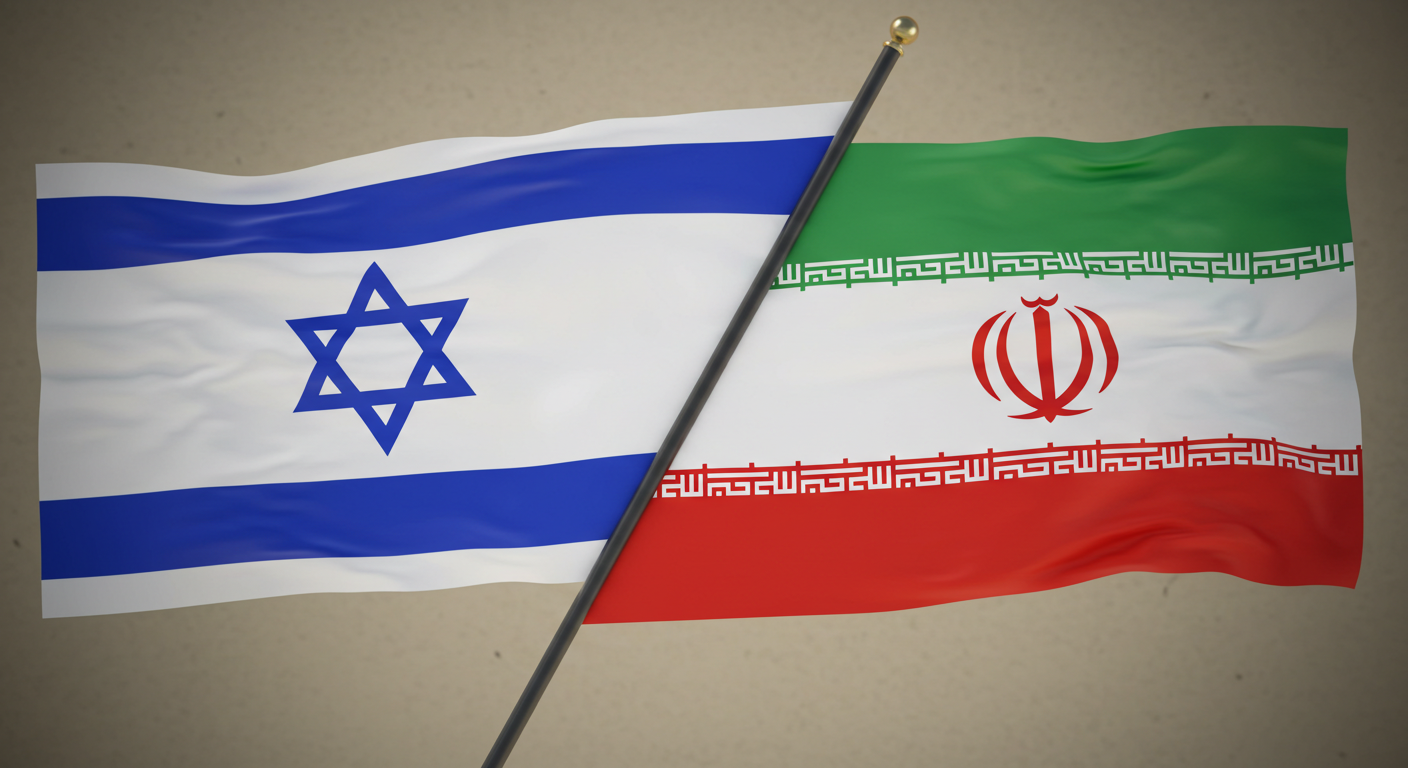
The unpredictable outbreak of full-scale conflict between Israel and Iran in the middle of June 2025, marked by the epochal usage of airstrikes, missiles, and direct American intervention, has broken...

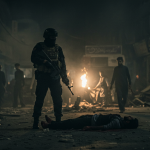
The unpredictable outbreak of full-scale conflict between Israel and Iran in the middle of June 2025, marked by the epochal usage of airstrikes, missiles, and direct American intervention, has broken the decades-old presumption of Israeli invulnerability. This 48 hours of high intensity warfare and hasty, unstable cease fire on June 24 makes us relook at not only the military doctrine of Israel but also the greater pattern of deterrence in the Middle East. The Israeli doctrine of security has over the decades been built on the assumption of its own qualitative military superiority, modern air defense, stealth as well as the ability to mount a quick, decisive preemptive strike. but the fact that Iran had managed to fire off long-range missiles into Israeli territory caught the charade at the root. Among the most shocking times was the June 19 when Iranian missiles supposedly struck the Soroka Medical Center in Beersheba injuring dozens and overloading emergency services. Whereas Iron Dome and other interceptive mechanisms worked, partly, it has breached into Israeli urban and strategic territories, and that has shattered the psychological defense that has long served as the basis of Israel deterrence.
The war also brought into the Dragon another threatful nexus between guerrilla and conventional warfare. The opening salvo by Israel, which was called operation Rising Lion, integrated both secret operations by Mossad within the borders of Iran with surgical airstrikes on launchers of the SSM, drone warehouses, and command facilities. In the first stages of this partnership, this hybrid system seemed to work well and was even justifying the Israeli confidence in surgical dominance. However, the counterattack of Iran with hundreds of drones and ballistic missiles revealed how the overexcitement about the technological superiority became exposed to vulnerability. Even the best defense mechanisms could not resist the multi-layered and time-staggered strikes organized by Iran. Through this it has shown that the modern battlefield is not just the preserve of the air superior party anymore the new domain is characterized by who is able to take advantage of depth, durability and asymmetric reaction.
What was most terrifying though was the decision made by the United States to take part in the war itself. On June 22, the U.S. unleashed an assault code-named as Operation Midnight Hammer, as it fired Tomahawk missile and bunker-buster against Iranian Natanz, Fordow, and Isfahan nuclear sites. U.S. President Donald Trump declared it a historic success as he stated that the nuclear program in Iran had been obliterated. Yet this triumphal note was soon undermined when numerous U.S. intelligence reviews reported that major centrifuge facilities were intact and uranium dealing out was nothing more than a short interruption, not abolition. The strategic victory that was depicted was actually a tactical lull. This discrepancy between rhetoric and reality in the public and the privacy reveals the strength of how discourses of invincibility, in particular those that have been arranged by political spectacle, can alter the truths and, even more seriously, policymaking.
Also disturbing were the ethical conundrums within this confrontation. The attacks resulted in the killing of hundreds of Iranian civilians, the destruction of scientific infrastructure and killing of technocrats, many of whom had reportedly not gone into combat. The United Nations humanitarian organizations and impartial witnesses were outspoken. Even though under the guise of a preemptive strike against proliferation, the targeting of scientists might possibly raise the question of whether in the context of a modern understanding of modern warfare, owing to the militarization of knowledge, international law and ethical warfare could be compatible. Can the extrajudicial killing of knowledge workers be justified in any other way than upholding a rules-based order? Instead of isolating Iran, this strategy possibly achieved the opposite: uniting the people of Iran, and moving the region to sympathize with it further.
The implications are more far-reaching. First, this inability will encourage substate groups such as Hezbollah and Houthi, who will now feel free to attack on hybrid and swarming principles and that they can do so successfully. Second, the success of America partially has reduced the trustworthiness of its military assurances in the area. Third, there was no sign of any serious diplomatic attempt to resolve the conflict when the fighting was at its peak, which suggests a dangerous gap in international conflict resolution, an area filled by military force first and followed by an ordeal of replacing talks with shooting. Fourth, and most strategically perhaps unnoticed is the opportunity it gives to the countries similar to Pakistan. The very city of Islamabad, which has been an avid proponent of regional peace and nuclear restraint, is now in an unusual position to demand moral consistency and multilateral involvement to a certain degree of neutrality.
📄 POLICY WIRE WHITEPAPER PUBLISHED: PAKISTAN'S NATIONAL SECURITY POLICY PRIORITIES
👉 READ BY CLICKING HEREMore than infrastructure was destroyed by the June 2025 war between Israel and Iran. It broke down deeply rooted myths. It turns out that invincibility, believed to have been ensured through vast firepower and surveillance has been proven to be relative and fragile. This is what this war has finally taught so far; that neither could the foundation of deterrence be based on defense systems, nor could the concept of strategic stability be grounded on the pretention of supremacy. The true security needs the moral authority, the strength against asymmetry, and the dedication to the diplomacy when it is the least comfortable. The broken shields of Israel are not military defeats merely; they are warnings. Threats that in the new age of war power without principles is unsustainable and myths without reality are unstrategic. Now the entire world community will have to decide where to support illusions or create a new model of international security based on balance, legality, and truth.
Author