

New Mexico Braces: Lethargic Storms Pose Potent Flash Flood Threat Amidst Burn Scars
POLICY WIRE — ALBUQUERQUE, N.M. — The quiet apprehension, almost a resigned sigh, hung heavy over central New Mexico as Wednesday loomed. It wasn’t the sudden, dramatic clash of thunderheads...

POLICY WIRE — ALBUQUERQUE, N.M. — The quiet apprehension, almost a resigned sigh, hung heavy over central New Mexico as Wednesday loomed. It wasn’t the sudden, dramatic clash of thunderheads that sparked the real concern here; no, it was the chilling forecast of storms so deliberate, so maddeningly slow, they threatened to turn the desert state’s sun-baked arroyos into churning, debris-choked death traps. A bizarre paradox, really: a region historically starved for moisture now bracing for its overwhelming, localized abundance.
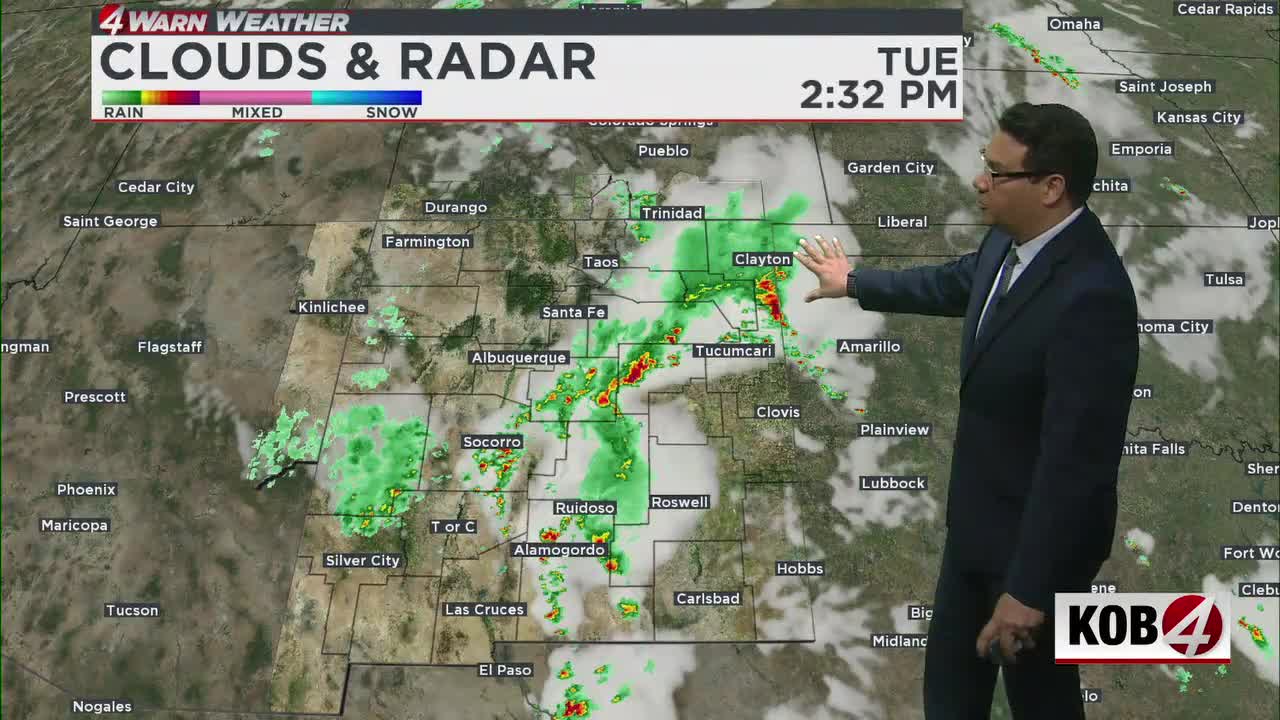
It’s a scenario that has officials on edge, residents checking drainage, and emergency services gearing up for the worst. Forget the quick, violent downpours that typically pepper a summer afternoon; these incoming systems were modeled to linger, to dump incredible volumes of rain onto very specific, often vulnerable, spots for extended periods. Picture a garden hose left running full-blast in a single spot until the ground gives way—that’s the image conjured by meteorologists, and it’s unsettling, especially across the sprawling Albuquerque metropolitan area and, critically, the fire-ravaged landscapes like those in Lincoln County and near Ruidoso, areas already stripped bare of protective vegetation.
Sarah Jenkins, Bernalillo County’s seasoned Emergency Manager, didn’t mince words during a morning briefing. “We’re telling folks now, don’t mess around with these arroyos. What looks like a trickle can become a raging torrent in minutes, no exaggeration. It’s not just a weather report anymore; it’s a critical safety brief for everyone,” she urged, her voice resonating with years of witnessing nature’s fury firsthand. She emphasized the almost deceptively benign forecast of “slow-moving,” a term that hides a monstrous threat.
Because, well, that’s where the danger lies—in the stillness. Weak steering winds aloft mean these convective systems, loaded with moisture, will stall. They’ll drift—or not drift at all—over the same unfortunate square mile, letting loose tropical-level deluges. The very ground, dry — and hardened from previous drought cycles, can’t absorb it. Burn scars, tragic legacies of recent wildfires, amplify the nightmare: without trees and brush to hold soil, runoff becomes a catastrophic slurry of mud, ash, and rocks, erasing roads and threatening homes in mere seconds.
Areas targeted for significant concern included the usual suspects: Rio Rancho, Belen, Socorro, and especially those recently singed regions like the South Fork and Seven Cabins burn scars, where the ecosystem’s natural flood defenses are gone. Another flood watch was slapped on these districts for Wednesday, amplifying anxieties for those who’d only recently begun to breathe easy after past drenchings. It’s a cruel game of cat — and mouse played out between moisture-laden clouds and the parched earth below.
Dewpoints—the metric of atmospheric juiciness—in the 40s and 50s were projected to spread westward clear to the Continental Divide by morning, meaning widespread availability for heavy precipitation. Data from the National Oceanic and Atmospheric Administration (NOAA) indicates that flash flood events nationally have seen a steady uptick, with an average of 85 fatalities per year attributed to them over the last three decades—a stark reminder even for states like New Mexico where every drop of rain is usually welcomed. But not like this. Not all at once.
Later in the afternoon — and evening, forecasters expected new storms to pop up along colliding outflow boundaries. That setup is notoriously efficient at producing torrents over communities like Moriarty, Mountainair, and Willard—places where infrastructure might not always be designed to handle such concentrated, intense rainfall.
What This Means
The immediate consequence is clear: property damage, road closures, and potentially devastating loss for residents caught unaware. But the longer-term implications for New Mexico stretch much further, touching economics, political discourse, and climate adaptation. These flash floods, increasingly common — and severe, strain municipal budgets already tight from other demands. Infrastructure — from culverts to bridge supports — gets hammered. Repair costs skyrocket, diverting funds from other critical services like education or healthcare.
From a political standpoint, managing such disparate extremes of water scarcity and flash flood destruction presents a unique challenge. State officials, caught between pleas for drought relief and demands for better flood protection, face a balancing act of epic proportions. Senator Isabella Chavez (D-Santa Fe), a vocal proponent of environmental resilience measures, lamented the ongoing paradox. “The irony isn’t lost on us—in a state craving every drop, these downpours threaten destruction. We’ve got to adapt; this isn’t yesterday’s weather. It’s got implications far beyond the immediate clean-up, touching everything from our water rights to federal disaster aid eligibility,” she remarked, hinting at larger policy battles to come.
the burn scars — still healing, still vulnerable — represent a nexus where climate change, land management policy, and community safety collide. Repeated post-fire flooding undermines reforestation efforts, leading to persistent erosion and a long, expensive recovery. It’s a stark mirror to situations seen globally, from the monsoonal deluges that periodically devastate parts of Pakistan, washing away villages and vital agricultural lands after periods of intense drought, to the flash floods in the arid regions of North Africa and the Middle East. Communities worldwide grapple with the amplified extremes of weather, highlighting a shared vulnerability and the desperate need for adaptive strategies that transcend national borders.
For New Mexico, a state that proudly showcases its unique cultural heritage to a vibrant tourist economy, sustained flooding poses a threat to tourism dollars and investor confidence. Who wants to plan a visit to a region facing repeated, unpredictable environmental crises? It’s not just about a few inches of rain; it’s about the resilience—or lack thereof—of an entire way of life.