


Beyond the Star Rating: Florida’s Playbook for Winning Talent in a Human-Centric Recruit Battle
POLICY WIRE — Gainesville, Florida — The behemoth machinery of Division I college football churns relentlessly, often reducing prospects to mere metrics: stars, weight, speed. But sometimes, even in...

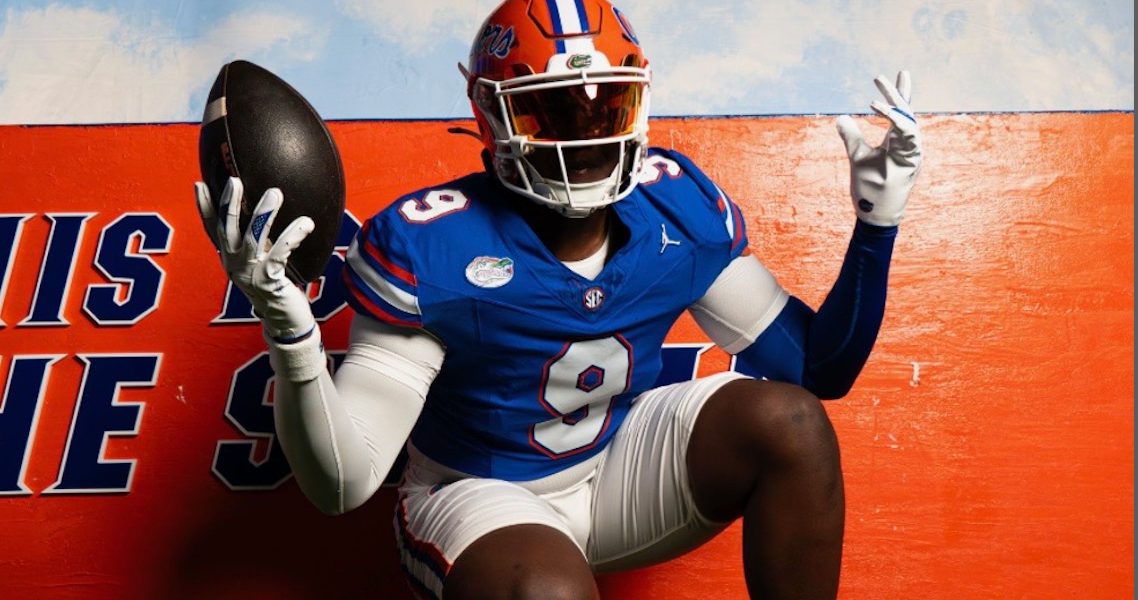
POLICY WIRE — Gainesville, Florida — The behemoth machinery of Division I college football churns relentlessly, often reducing prospects to mere metrics: stars, weight, speed. But sometimes, even in this era of Name, Image, and Likeness megadeals, a singular commitment lays bare the stubborn, human element still at the heart of the billion-dollar game. Florida, often accused of more sizzle than steak on the recruiting trail lately, just quietly — almost deliberately — swiped Zahmar Tookes, a 4-star defensive lineman from New York, from under the noses of traditional powerhouses like Penn State and Nebraska.
It wasn’t a sudden, splashy announcement, not like some of the digital commitments designed for viral consumption. It was a slow burn, a steady, personal campaign waged by Gators staff that, by Tookes’ own admission, came down to relationships. Forget the glossy facilities or NIL pitches for a moment. This particular victory, if we’re being honest, hinged on simple, consistent communication and the kind of authentic connection often obscured by booster millions. But, of course, the booster millions don’t hurt. They just aren’t the whole story, it seems.
Tookes, a towering 6-foot-3.5, 260-pound presence, officially ranked the No. 192 prospect nationally in the Rivals300 according to industry data from Rivals.com, had visited Gainesville back in March. That initial trip had “definitely climbed up there” in his estimation, he noted at the time. A positive initial impression? Sure, common enough. But the sustained engagement from the coaching staff that followed was what truly flipped the script. They weren’t just checking boxes; they were building a rapport. “They stayed consistent, and the relationships we built,” Tookes revealed, explaining the slow shift from high interest to full commitment. It’s almost quaint, isn’t it? A handshake and genuine conversation still holds sway in an ecosystem now often dominated by online personas and cold, hard cash.
The coaching dynamic at Florida — specifically Defensive Line Coach Gerald Chatman and Head Coach Jon Sumrall — appears to have been the differentiating factor. “Coach Chatman, he’s like a teacher. A real teacher,” Tookes observed, almost reverently. “He wants you to understand, not just parrot back. It’s not always about football, either; he gets it.” Sumrall, relatively new to the top job, evidently echoed that sentiment, projecting an infectious “winning energy” that spoke volumes without needing endless bravado. It suggests a strategic alignment in Florida’s approach, a tacit understanding that talent, particularly young talent, still craves mentorship over just mercenary offers.
And this isn’t an isolated incident. We’re seeing more and more recruits, despite the lure of six-figure NIL deals elsewhere, making decisions based on perceived fit, personal chemistry, and genuine human engagement with their future coaches. It’s a reminder that even in hyper-capitalist environments, where bidding wars are commonplace, the ‘soft skills’ can, and often do, close the deal. In a globalized world constantly striving for the acquisition of human capital—from nascent African tech startups attracting foreign investment to the industrial powerhouses of South Asia seeking top engineers—this human element of talent acquisition rings true universally. Because at the end of the day, people want to be part of something meaningful, led by someone they trust.
What This Means
This commitment, on its face a simple recruiting win, actually whispers volumes about the evolving — or perhaps, simply reaffirming — political economy of college athletics. The common narrative paints recruiting as an increasingly mercenary enterprise, dictated almost entirely by the highest bidder in the Name, Image, and Likeness landscape. But Florida’s successful pursuit of Tookes serves as a recalibrating data point, reminding us that institutional culture and personal connection remain powerful, if often less visible, currencies. It’s a testament to the fact that while dollars undoubtedly speak, direct human investment—the kind that takes time, effort, and sincerity—still retains a significant edge. Other programs, often fixated on splashy announcements or exorbitant financial packages, might do well to take note. If the Gators can leverage chemistry to land a sought-after talent in such a cutthroat environment, it suggests a broader trend: a pivot back toward valuing the organizational ‘ecosystem’ as much as, or even more than, the raw financial transaction. For politicians overseeing collegiate athletic reform, or for athletic directors trying to budget precious resources, it’s a stark reminder that even a player like Tookes isn’t simply a commodity; he’s an individual with distinct preferences. And those preferences don’t always align with the biggest paycheck.
But the ramifications don’t stop there. This micro-level success could signal a larger strategic shift for Florida — and programs like it. If you can’t always outbid everyone, you out-recruit them. And “out-recruiting” in this context means out-humanizing the competition. It’s a return to fundamentals in a highly complex industry. Imagine a federal procurement process—or even international diplomacy—where soft power, sustained relationships, and perceived integrity prove more impactful than brute force or sheer monetary offer. That’s the parallel here. The scrimmage for athletic talent is a fascinating mirror to bigger power struggles.
“We’ve got a mandate here: build a championship program, yes, but do it right. And ‘doing it right’ means connecting with these young men on a personal level,” said Coach Jon Sumrall, emphasizing his team’s philosophy. “It isn’t about chasing the highest star rating — and forgetting the person. It’s about finding character.” Because ultimately, you can build all the fancy stadiums you want; but it’s the people inside who actually win games. A former athletic director, requesting anonymity to speak candidly about recruiting rivalries, mused, “Look, it’s not always the dollar sign. Sometimes, it’s a coach who remembers your birthday. Or who listens. These athletes, they aren’t pawns. They’re looking for a home, not just a job.” A simple, but profound truth, isn’t it? One that often gets lost in the fervor. This human-first strategy is a calculated risk, but if Florida’s success with Tookes is any indication, it’s one that just might pay off in the long run.