

From Federal Halls to High Desert Helm: Haaland, Hull Vie for New Mexico’s Political Soul
POLICY WIRE — ALBUQUERQUE, N.M. — It’s a contest quietly simmering in the high desert, one that’s easy to dismiss as just another statehouse skirmish. But the battle for New Mexico’s governorship,...

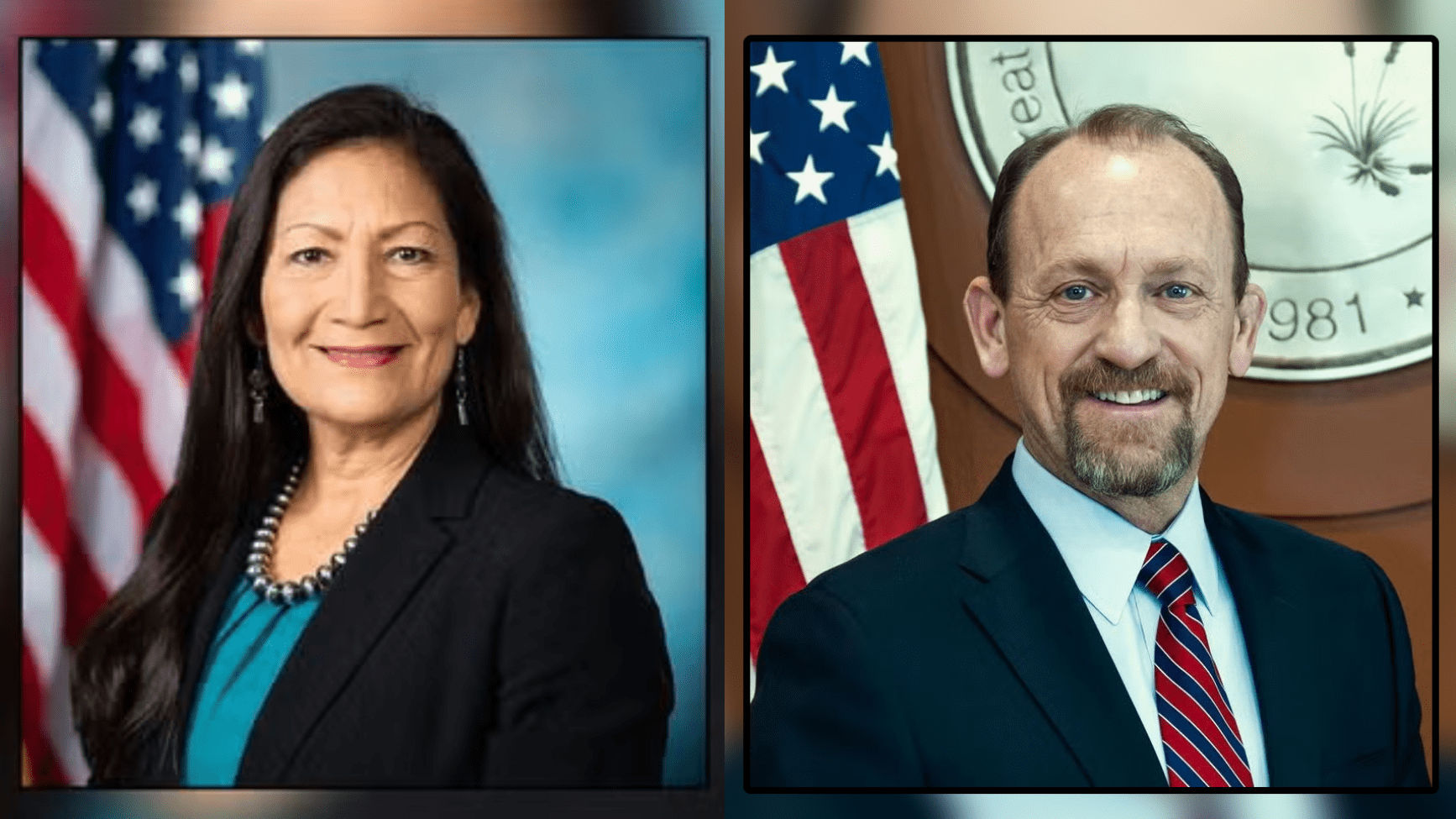
POLICY WIRE — ALBUQUERQUE, N.M. — It’s a contest quietly simmering in the high desert, one that’s easy to dismiss as just another statehouse skirmish. But the battle for New Mexico’s governorship, now squarely between former Interior Secretary Deb Haaland for the Democrats and long-time Rio Rancho Mayor Gregg Hull for the Republicans, isn’t just about who gets to sit in Santa Fe’s corner office. No, this one’s a harbinger—a micro-climate mirroring grander policy squabbles echoing from D.C. to distant continents.
The primaries, wrapped up Tuesday, cemented what many pollsters had predicted, but perhaps not the particular tenor of the wins. Haaland, a familiar national figure, sailed past Bernalillo County D.A. Sam Bregman with relative ease. Bregman conceded, sure, but his rather icy refusal to endorse her? That spoke volumes about lingering internal frictions—a tell-tale tremor in the party’s foundation.
On the GOP side, Hull emerged victorious from a field that included businessman Doug Turner and cannabis executive Duke Rodriguez. Hull, a man who helmed Rio Rancho for twelve straight years—he practically owned the mayor’s seat—is painting himself as the grounded, local alternative. You’d think his local bona fides would make him a shoe-in for unity, wouldn’t you?
Because that’s what this election is already shaping up to be: a tug-of-war between national-brand progressivism and seasoned, pragmatic localism. Haaland, whose resume now includes a stint at the highest echelons of federal power as President Biden’s Interior Secretary, carries both the cachet of national policy experience and, perhaps, the baggage of a distant D.C. perspective. And Hull? He’s selling a ‘know your neighbor, fix your potholes’ kind of politics, a stark contrast to the environmental and indigenous rights platform Haaland will undoubtedly champion.
“This isn’t just about New Mexico; it’s about setting a precedent for how we value our land and our people,” Haaland reportedly quipped to an aide after her primary victory—her usual composure belying the primary’s fierce tussle. Her policy aims, particularly around energy and conservation, won’t just hit the pockets of folks in Farmington; they could easily send ripples into global energy markets. For countries like Pakistan, a nation highly reliant on stable, affordable energy imports, any major shifts in U.S. domestic oil and gas policy, influenced by states like New Mexico, can quickly translate into higher consumer costs and economic instability thousands of miles away. It’s a delicate global ballet, you know?
Hull, meanwhile, aims to tap into a different sentiment. “Folks in Rio Rancho, they know I deliver. This ain’t Washington, D.C.; it’s about asphalt and jobs, and getting things done for ordinary families,” Hull stated, a pointed jab at his opponent’s federal pedigree. His campaign messaging won’t just stick to Main Street; it’ll try to chip away at the national sheen of his opponent, advocating for economic development unburdened by federal environmental regulations—a narrative that always resonates with a certain swath of voters here.
But there’s a spoiler in the wings, or at least a potential one: Ken Miyagishima, a former Las Cruces mayor, is trying to secure a spot as an independent. He needs more than 14,000 signatures to qualify for the ballot. A three-way race? That complicates everything, turning predictable demographics into a scatter plot of uncertainty. Historically, independents often struggle to gain traction against well-funded party machines, but New Mexico has a habit of tossing out surprises. For instance, in the 2020 presidential election, the Libertarian candidate received over 10,000 votes, a statistic demonstrating a persistent minor-party appetite in the state’s electorate.
What This Means
This fall’s contest is set to become a proxy war for broader national debates. Haaland’s past role, specifically her efforts on public lands and fossil fuels, means she’ll be eyed by environmentalists and industry titans alike. A victory for her would amplify calls for aggressive conservation and renewable energy transitions, potentially slowing down resource extraction here—an act that has residents already fighting big projects. This could reverberate beyond borders; diminished oil output from New Mexico, a significant producer, influences the global supply chain, with indirect yet noticeable effects on prices for nations from Riyadh to Karachi. Hull, on the other hand, is a conventional pick, banking on local economic growth — and business-friendly policies. His administration would likely ease regulatory burdens, hoping to lure investment and create jobs through traditional sectors.
Politically, the race will gauge the enduring power of progressive, identity-focused candidacies against an old-school, pragmatic appeal in a state that, while trending blue, still has pockets of strong conservatism and resource-dependent economies. The stakes are high for New Mexico’s fiscal health—dependent on oil and gas revenue—and its environmental future. Economically, their policies diverge dramatically. Haaland’s green agenda could mean job shifts and investment in new technologies, while Hull’s approach likely means more drilling, more immediate revenue, and less attention to the climate costs. Whichever way it breaks, it won’t just be New Mexicans watching.