


Kansas Diamond Dreams: Flyover State’s Quiet Coup in Collegiate Baseball Scene
POLICY WIRE — Lawrence, Kansas — It’s a strange phenomenon, really, when the established order of things gets a good, swift kick. Think of it: when was the last time the heartland of America—a land...

POLICY WIRE — Lawrence, Kansas — It’s a strange phenomenon, really, when the established order of things gets a good, swift kick. Think of it: when was the last time the heartland of America—a land more renowned for its wheat fields and the steadfast, stoic resilience of its people—captured the attention of the collegiate baseball world? Well, it’s happening. Kansas, that often-overlooked swatch of flyover country, isn’t just playing baseball; it’s quietly, emphatically, rewriting the script.
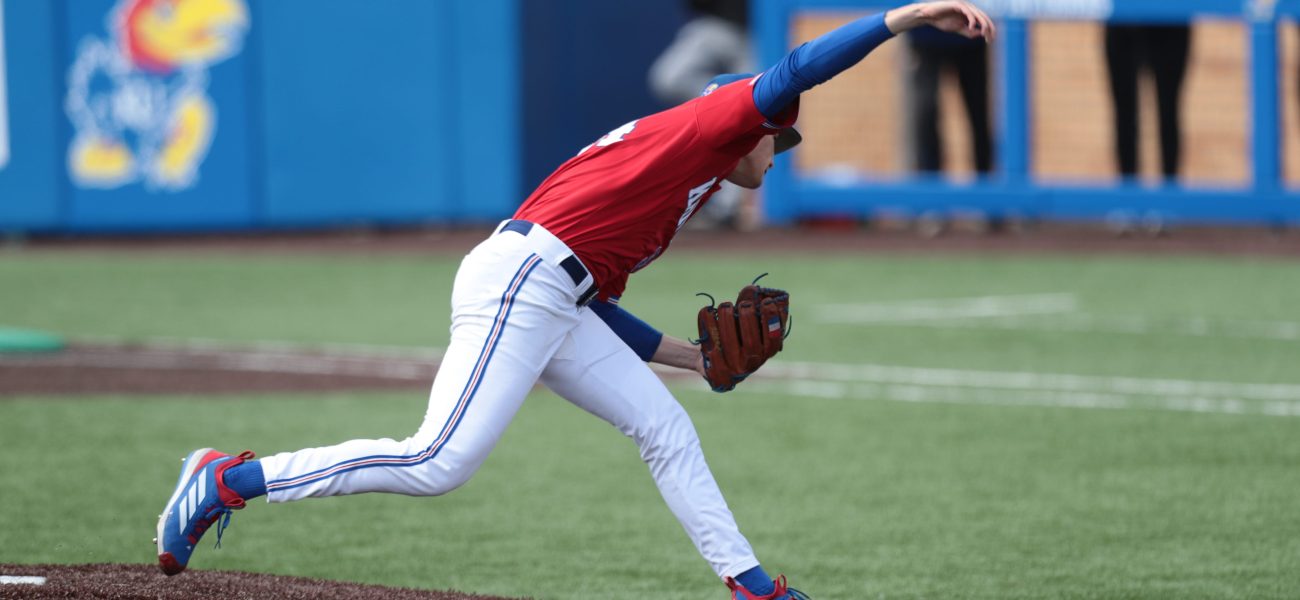
The University of Kansas Jayhawks, with a surprisingly formidable 42-16 season record, haven’t just squeaked by; they’ve barged their way into the NCAA regional conversation. Now they’re not merely participating. They’re hosting. That’s right, Lawrence, Kansas, typically a basketball mecca, will soon hum with the crack of bats and the roar of a baseball crowd, having earned the distinct honor as the No. 15 team in the USA TODAY Sports Coaches Poll. They jumped a spot just this past Monday. You see, they didn’t just win a conference title; they swept both the Big 12 regular season and the tournament titles. That’s a double whammy many established programs only dream of.
“Look, when you invest in the kind of athletic talent and facilities we have here at KU, you expect results,” stated Pat Ward, Kansas Athletics Director, in a carefully worded public relations release. “But even we’re pleasantly surprised by just how quickly Coach’s program has ascended. This isn’t just about baseball anymore; it’s about state pride, it’s about putting Kansas on the map in a new, exciting way. It truly demonstrates the kind of deep commitment our boosters and state legislators have shown toward a diversified athletic portfolio.” But, what he didn’t say was how much cash that kind of success rakes in.
Their dominance in the Big 12 tournament was, let’s call it, a display of brute efficiency. They systematically dismantled their competition, including a sturdy West Virginia team in the finals and Oklahoma State in the semis. And now, they’ll greet Northeastern on Friday, May 29, at high noon, with Arkansas and Missouri State lurking in the wings. It’s a pressure cooker, but they’ve prepared for it. They’ve even spruced up Hoglund Ballpark, pouring funds into alterations designed to maximize seating — and fan comfort. It’s almost as if they anticipated this sudden demand. Imagine that—forethought in college sports.
“The trajectory of this team is a blueprint for institutional excellence, irrespective of the sport,” offered NCAA President Dr. Marcia Albright, her comments likely drafted by a legion of strategists keen on universalizing athletic success stories. “It demonstrates how strategic resource allocation and sustained coaching support can redefine an athletic program’s identity, attracting attention and, frankly, investment, from unexpected corners.” Indeed. That investment isn’t just measured in wins and losses, it’s measured in merchandise sales, regional economic boosts, and — don’t kid yourself — the perpetually swelling coffers of college athletics.
This success isn’t just a regional anomaly. It reflects a growing, global recognition that sports, in any form, can be a powerful engine. Think about the nascent interest in non-traditional sports bubbling up in places far removed from the American collegiate system. Even in South Asia, where cricket dominates conversations and national identity, there’s a quiet undercurrent of global sports narratives permeating local consciousness. From Islamabad to Mumbai, there’s an increasing engagement with diverse sporting spectacles, often driven by digital accessibility and a burgeoning youth demographic seeking new forms of competition and pride. It’s about more than just a ball game; it’s about a nation’s ability to punch above its weight, a cultural soft power if you will. The kind of ambition seen here, for a lesser-known sport in a football-crazy state, isn’t so different from a ‘dark horse’ emerging on the world stage. It compels attention, — and often, resources follow.
What This Means
The Jayhawks’ unexpected ascendancy isn’t just a feel-good story for college baseball enthusiasts; it’s a telling snapshot of the evolving economics and political calculations within university athletics. When a program like Kansas baseball, which doesn’t traditionally command national headlines outside its region, experiences such a meteoric rise, it shifts resource discussions on campus and beyond. Suddenly, state legislatures, boosters, and university administrators must consider further infrastructure investment, perhaps reallocating funds that might have once been solely earmarked for perennial powerhouses like basketball or football.
It opens a fascinating, if somewhat cynical, discussion about the ‘return on investment’ in college sports. Every regional bid, every packed stadium, pumps directly into the local economy, driving up hotel bookings, restaurant receipts, and local merchandise sales. This micro-economic boom becomes a tangible asset in local — and state-level policy debates about sports funding. Because this phenomenon also broadcasts a subtle, yet potent, message: diversify your sports portfolio, and you might just hit a jackpot that ripples across your institutional brand. It makes Kansas, a state not historically synonymous with baseball prowess, a case study in how niche sporting success can unexpectedly command national respect and, critically, significant financial inflows. According to a 2019 study by the National Association of Sports Commissions, hosting NCAA Division I championships can inject upwards of $10 million into a local economy per event, making this a much bigger game than mere scores and innings. And that, dear reader, changes everything.